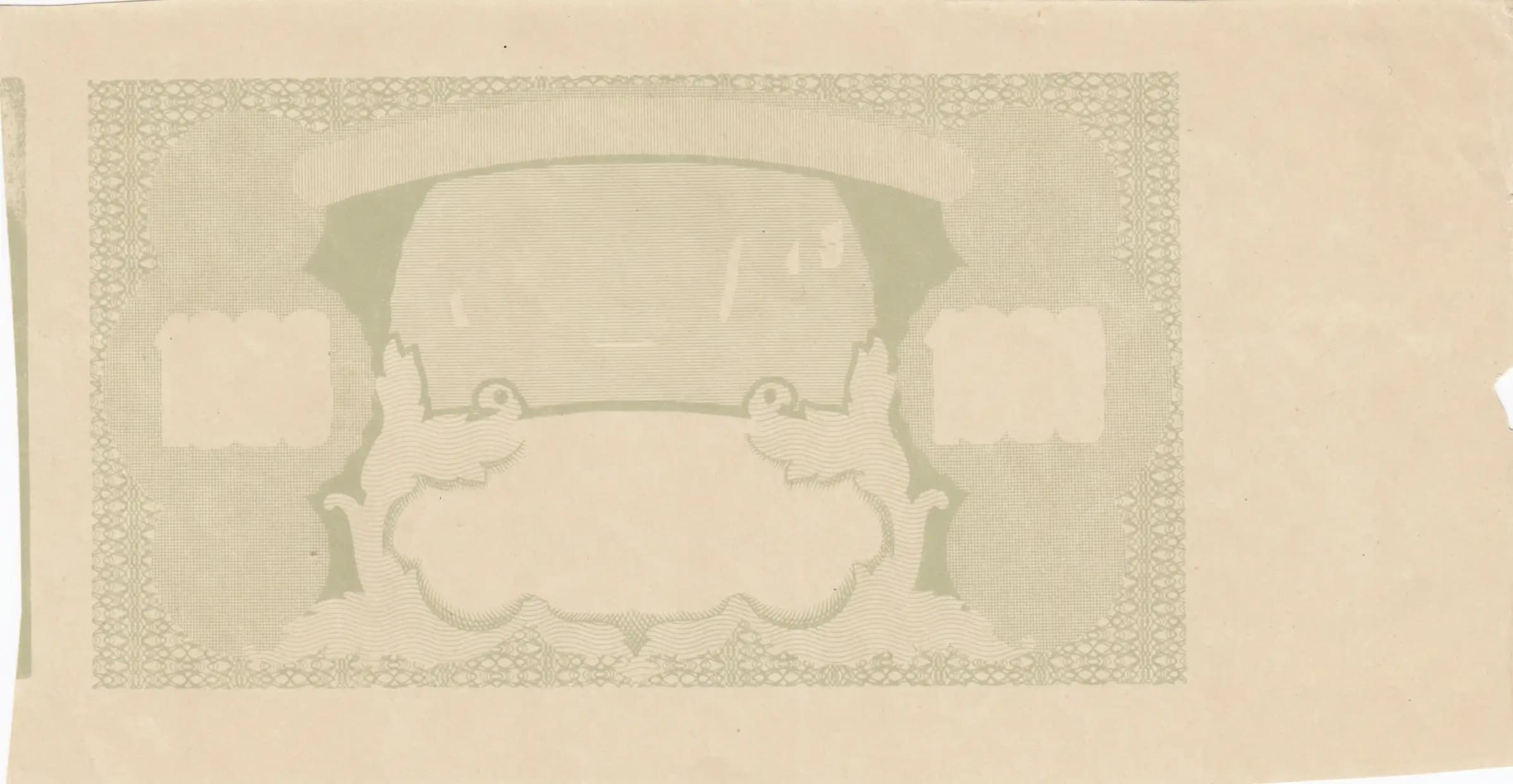
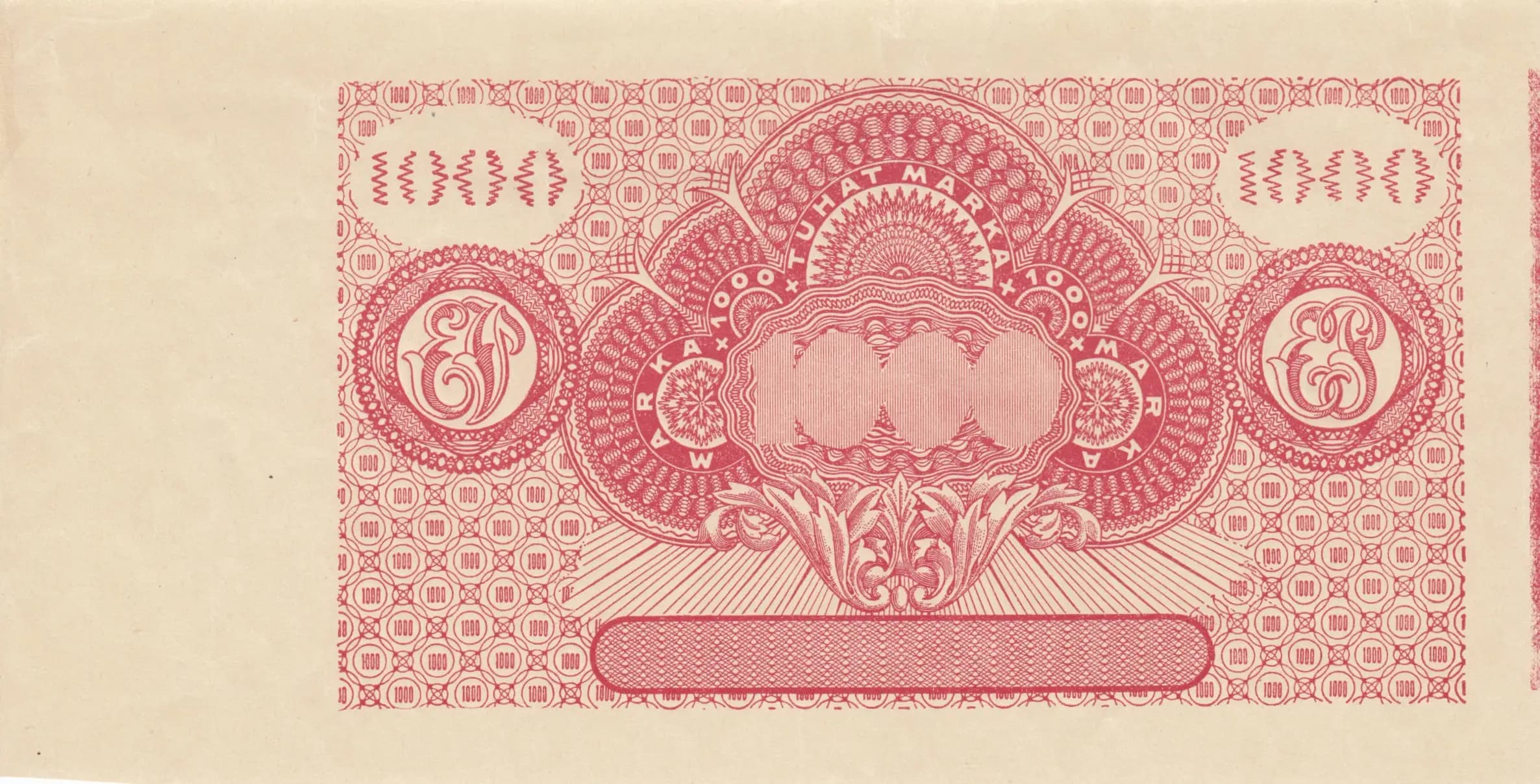
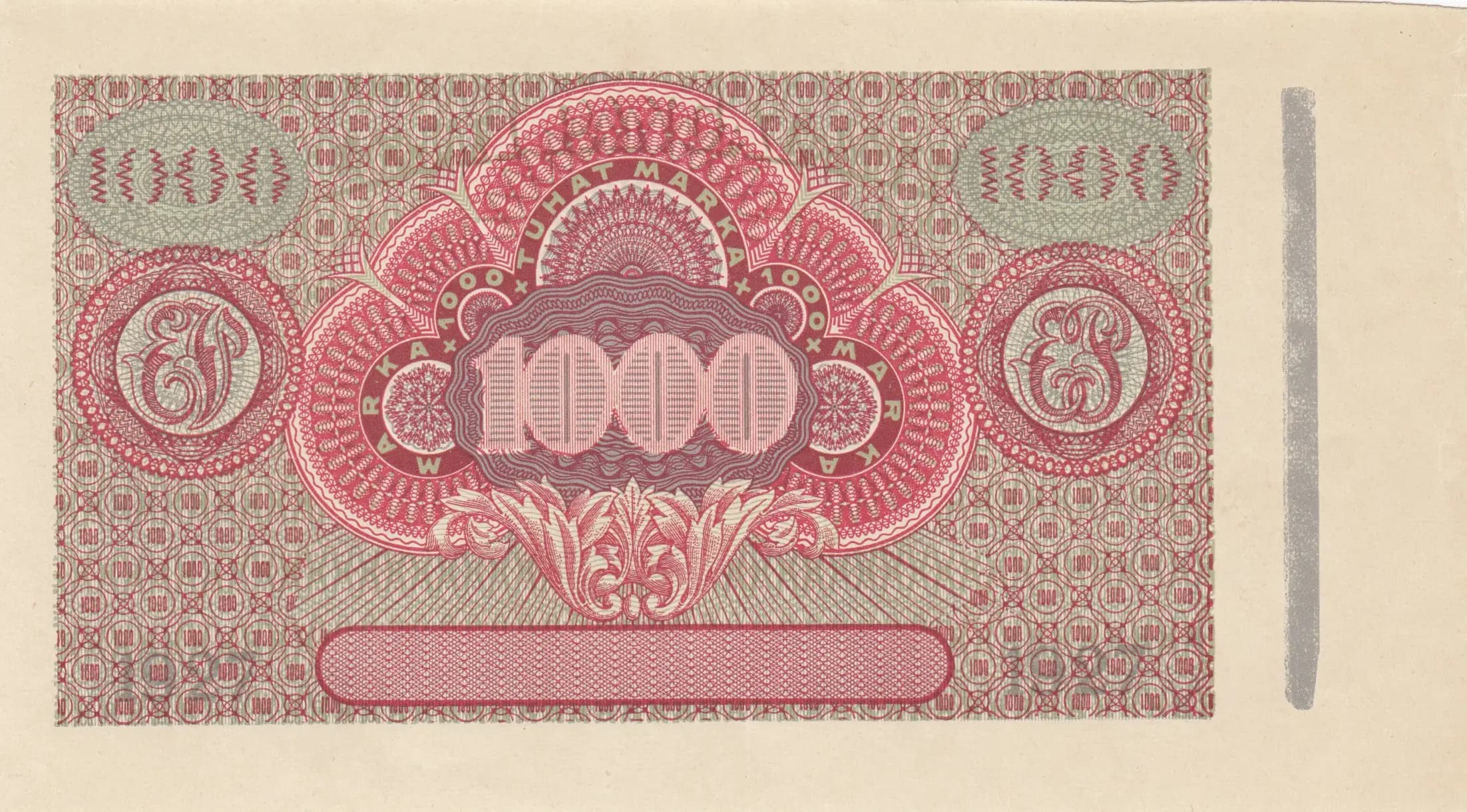
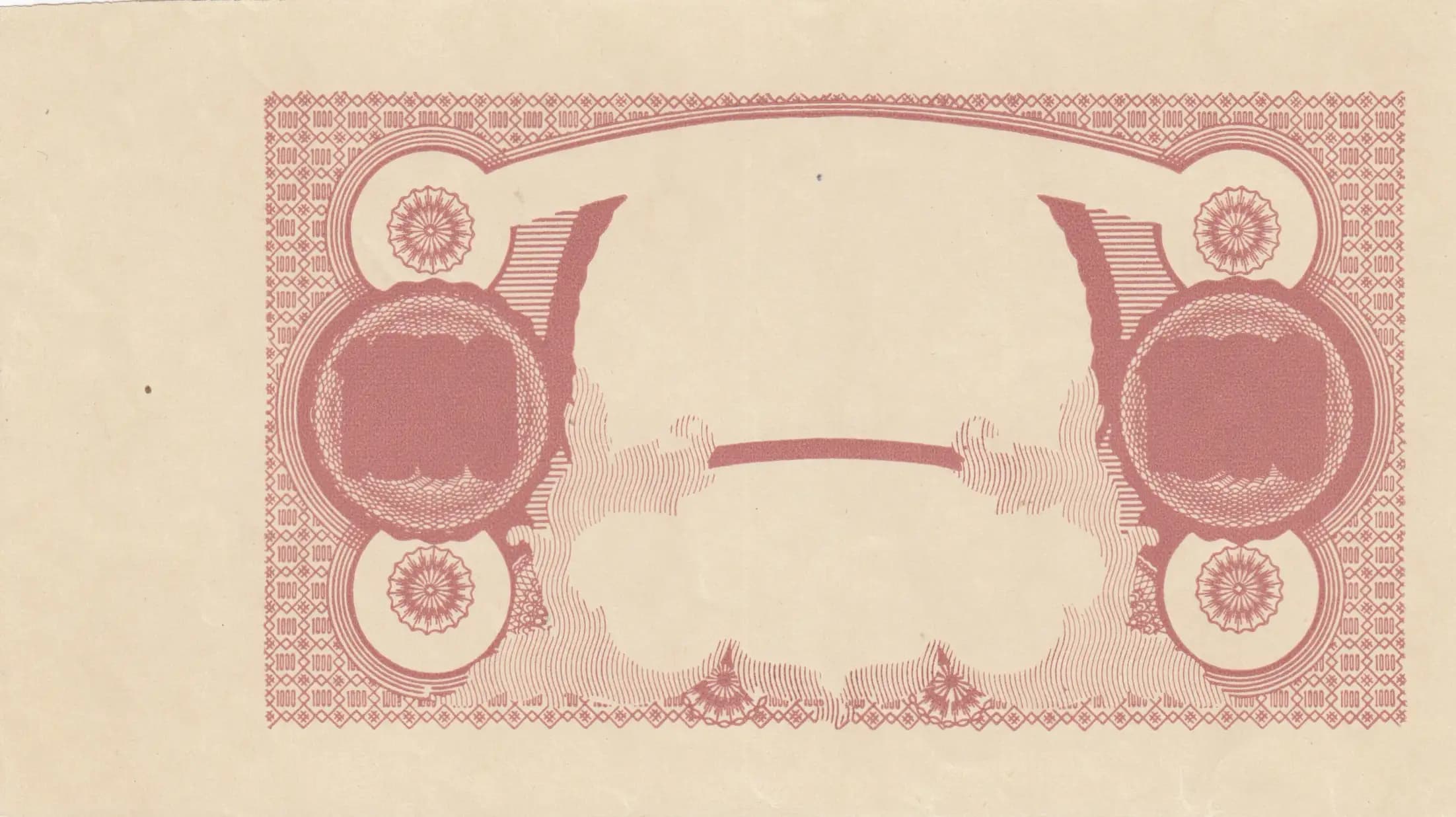
1000 marka 1927 progressive proof
About This Note
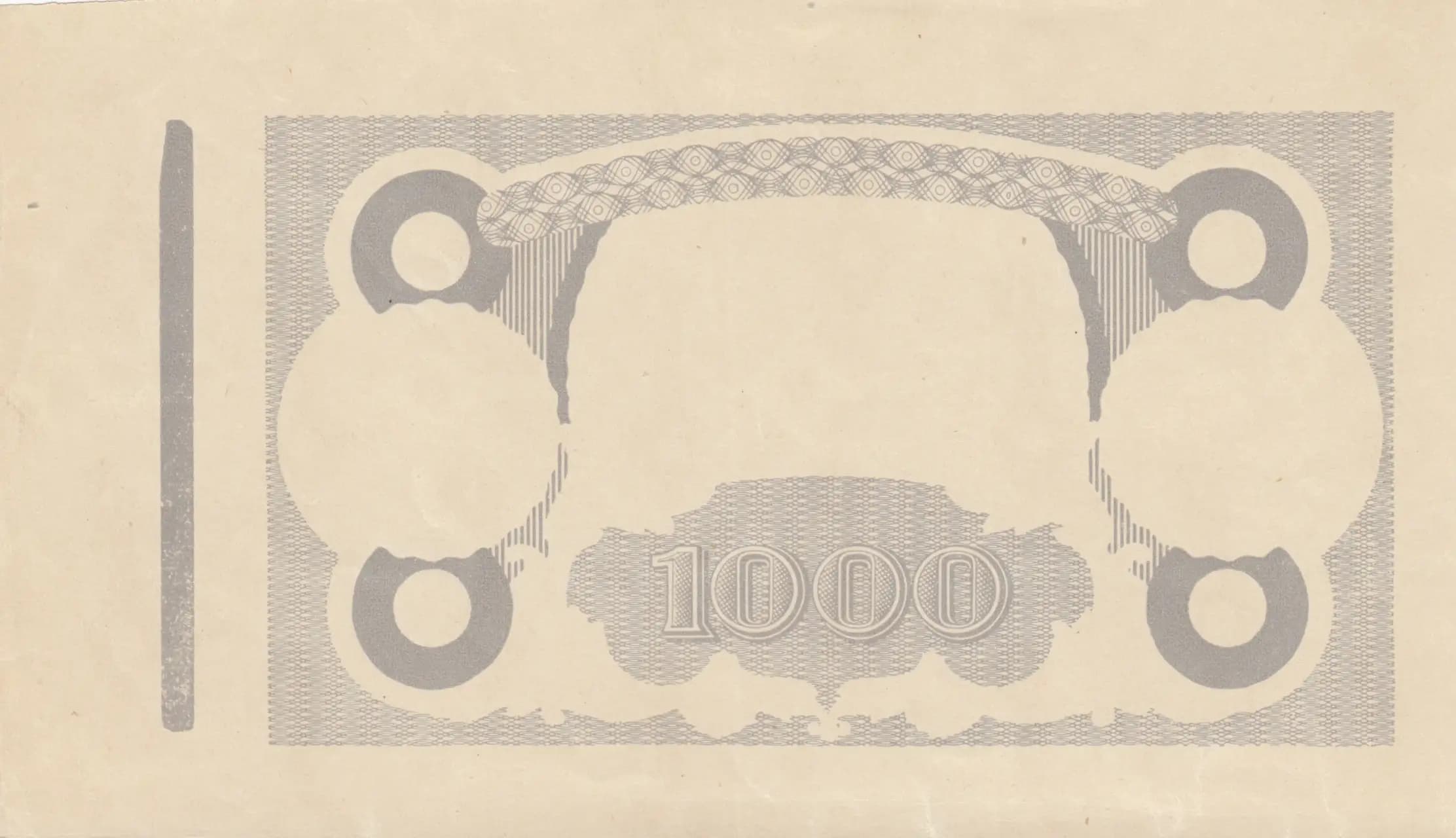
This is an exceptional progressive proof specimen of Estonia's 1000 Marka banknote from 1927, representing a critical stage in the note's design evolution. The back design showcases an ornamental layout with a central shield cartouche, geometric diamond-lattice patterns, corner ornamental medallions, and clear denomination marking—all rendered in precise gray tones on cream stock. In AU condition with no circulation wear, this progressive proof represents an important artifact of Estonia's interwar monetary history and the technical mastery of early 20th-century security printing.
Very rare. Progressive proofs, particularly those of specific denominations from short-lived currencies like the Estonian Marka period (1919-1928, succeeded by the Kroon), are encountered with extreme infrequency in the collector market. The designation 'P-59fpp5' indicates this is the fifth recorded progressive proof state of this design—progressive proofs are by definition produced in minimal quantities as working tools for printers and governments. The AU condition and archival provenance further enhance rarity. Such items rarely appear at auction and command significant premiums among specialized collectors of proof notes and Baltic currency.
The 1000 Marka denomination was issued by the Treasury of Estonia during the nation's early independence period following World War I and the Estonian War of Independence. The ornamental design language—featuring geometric patterns, shield cartouches, and medal-like corner elements—reflects the classical aesthetic preferences of 1920s European security printing and symbolizes the nascent nation's aspirations toward stability and sovereignty. Progressive proofs of this type were retained by the printing works and government agencies as records of design approval and production specifications.
The back design presents a formal, ornamental composition characteristic of high-security banknote aesthetics of the period. The central focal point is a large blank shield or oval cartouche rendered in cream/white, likely reserved for portraiture or additional design elements in the final issued note. This is surrounded by an elaborate framework of geometric ornamentation: diamond-lattice patterns with fine vertical line shading create a sophisticated border effect at the top, while four identical circular ornamental elements positioned at each corner resemble stylized medals or coins, reinforcing themes of monetary authority and national prestige. The large numeral '1000' is positioned centrally below the cartouche. The limited color palette of grays and creams on cream stock suggests this is an early-stage proof, possibly exploring composition and line-work quality before color plates were finalized.
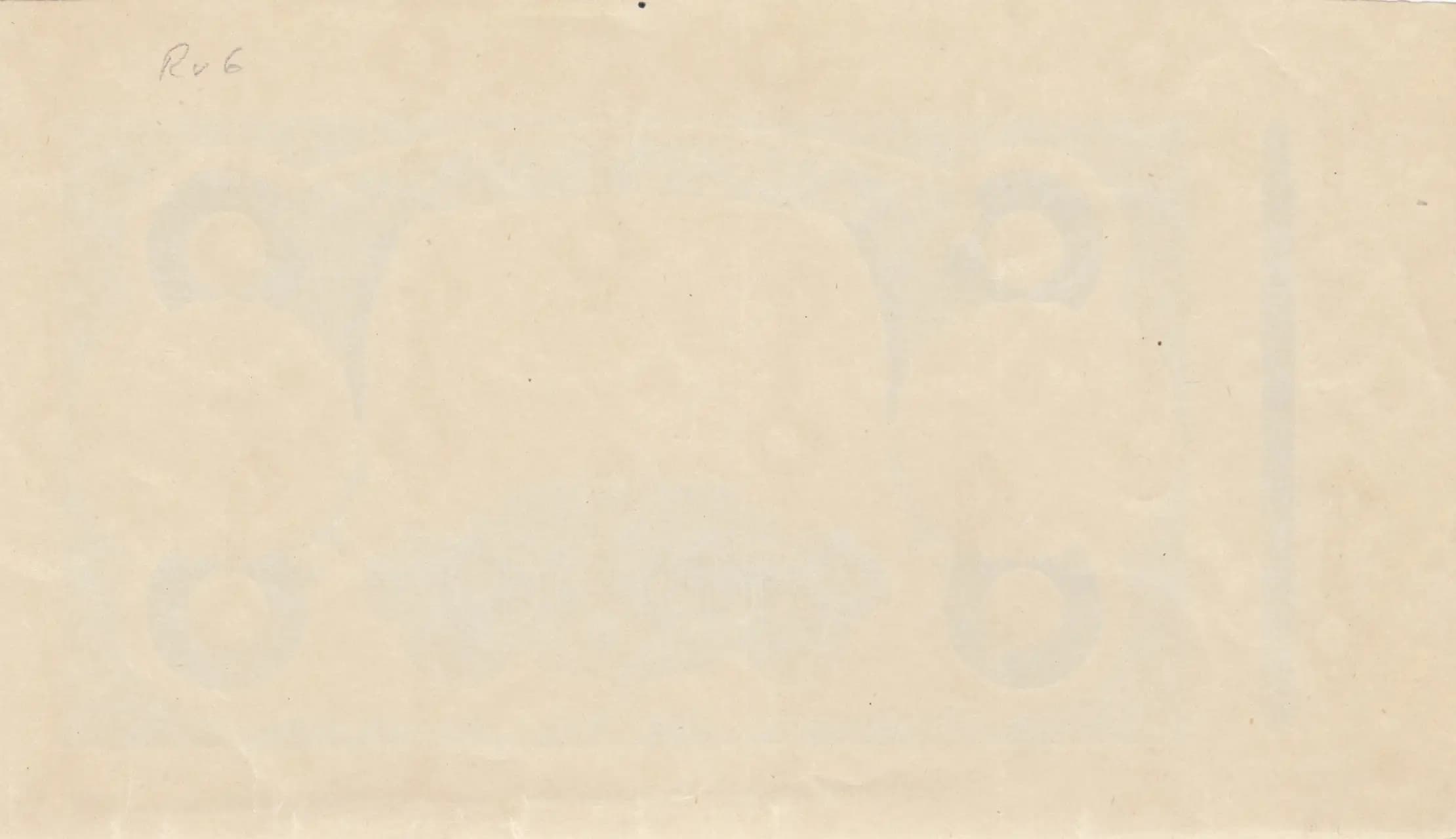
Back side: '1000' (denomination numeral). Verso/archival notation: 'R v E' (handwritten archival reference marking, likely indicating cataloging or printer's notation; exact meaning unclear but consistent with early 20th-century proof documentation practices).
Intaglio engraving, likely steel or copper plate engraving with hand-finishing elements. The fine geometric patterns, precise line-work, consistent shading, and overall technical sophistication indicate classical security-printing intaglio methods. The gray monochrome rendering is typical of progressive proof pulls used to evaluate design and engraving quality before full-color production. The progressive proof status (designated 'pp' in the Pick number) indicates this is a pull from an intermediate stage of plate development, not intended for circulation.
This specimen is identified as Pick P-59fpp5, indicating it is the fifth known progressive proof state (pp = progressive proof; the '5' designates the specific stage/pull number). Progressive proofs of Estonian banknotes are cataloged by their sequential proof-pull order; this numbering reflects the systematic retention of proof pulls by the Bank of Estonia or Treasury during the design and engraving approval process. The monochrome (gray/cream) rendering distinguishes this from any later color proofs or issued circulation notes. The handwritten verso notation 'R v E' may indicate the printer's or government agency's internal reference code for this particular proof stage.