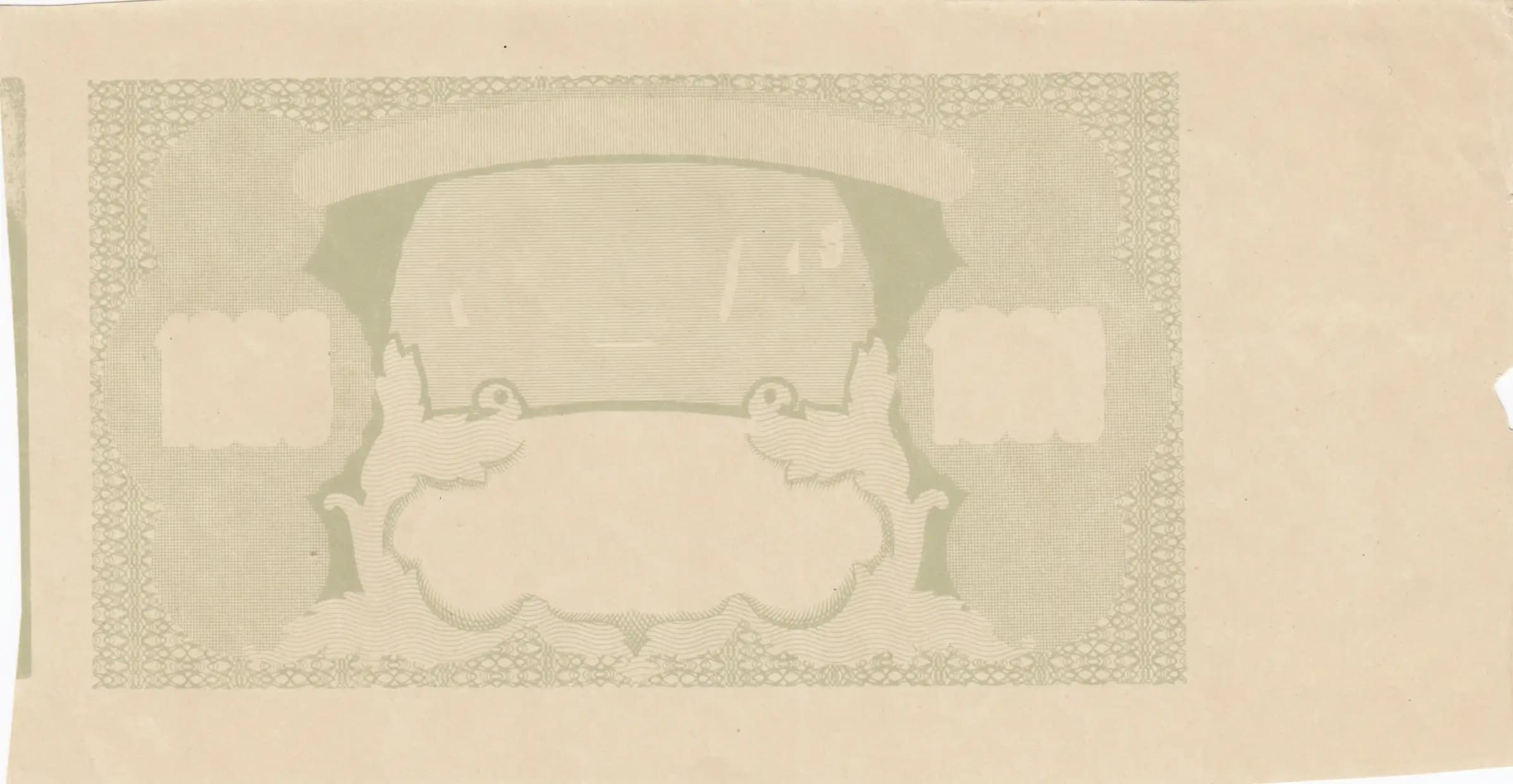
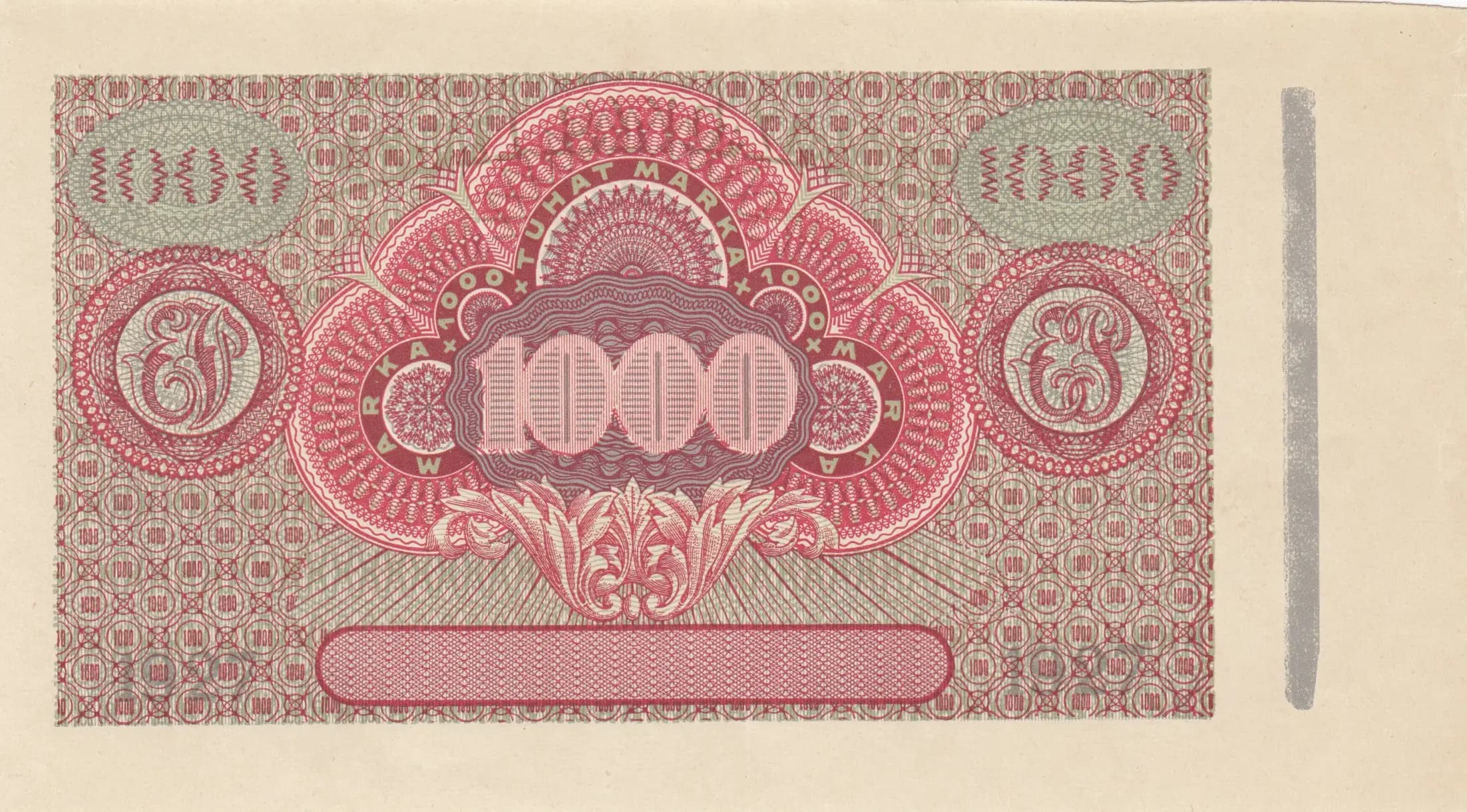
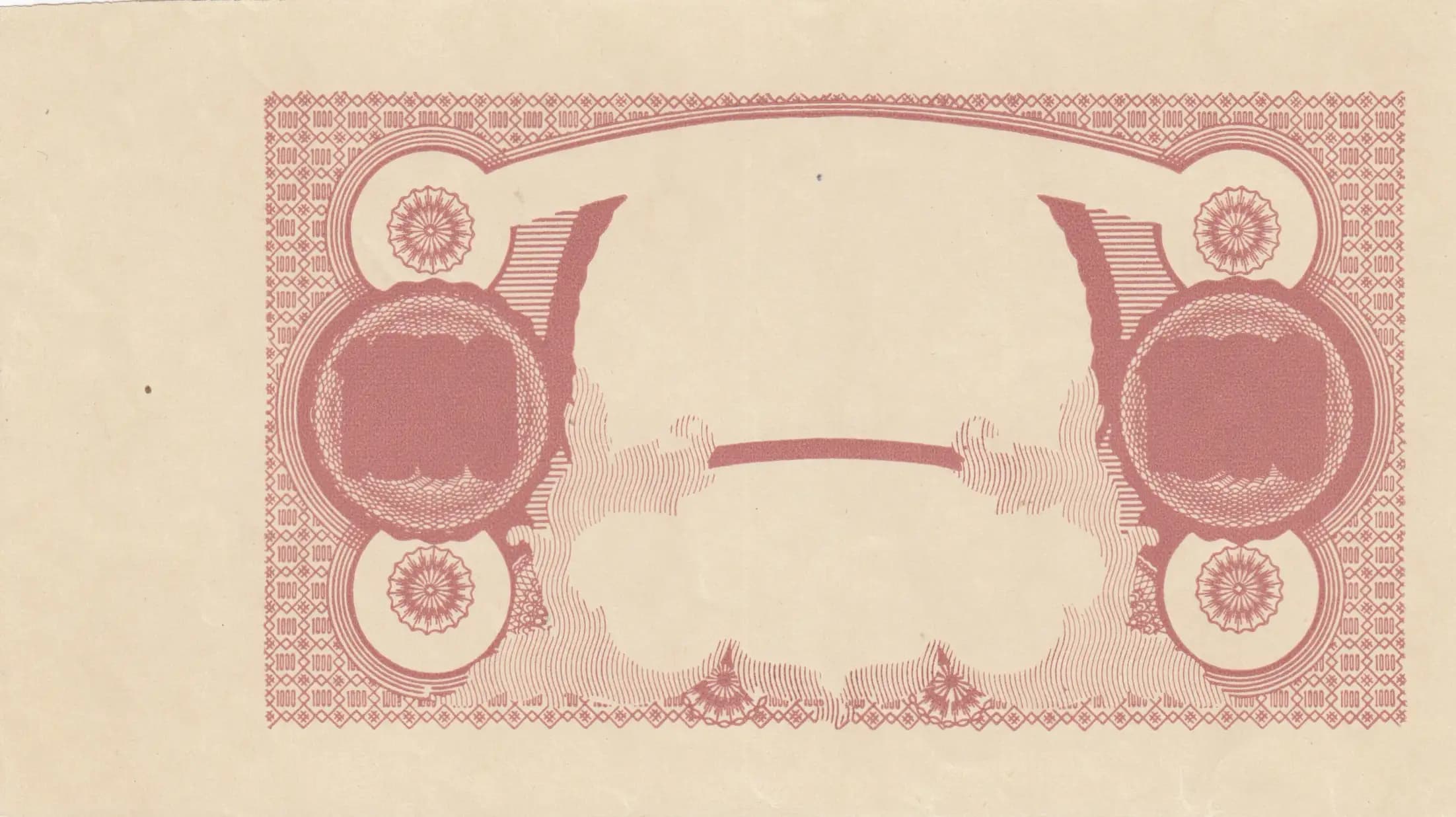
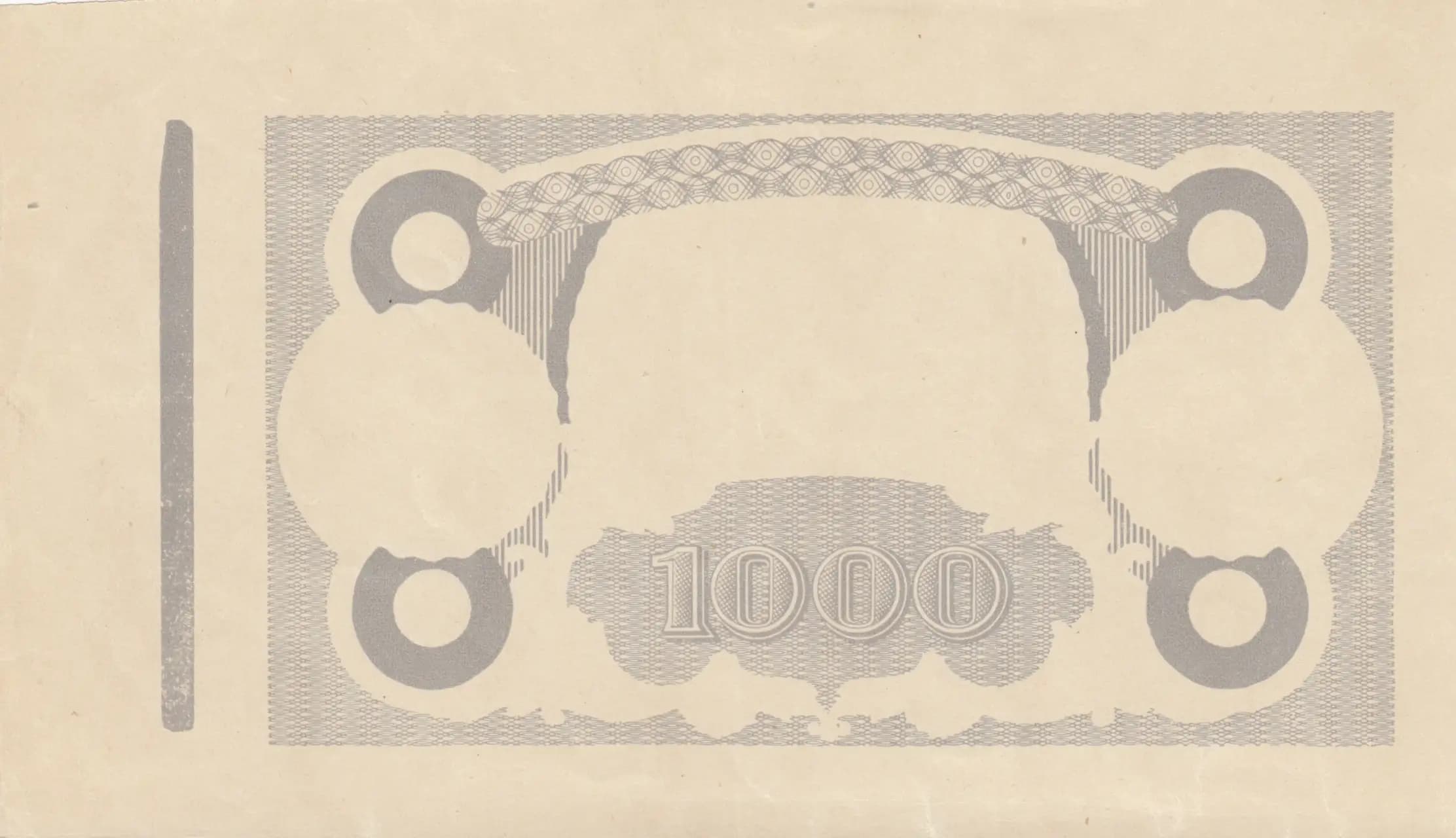
1000 marka 1927 progressive proof
About This Note
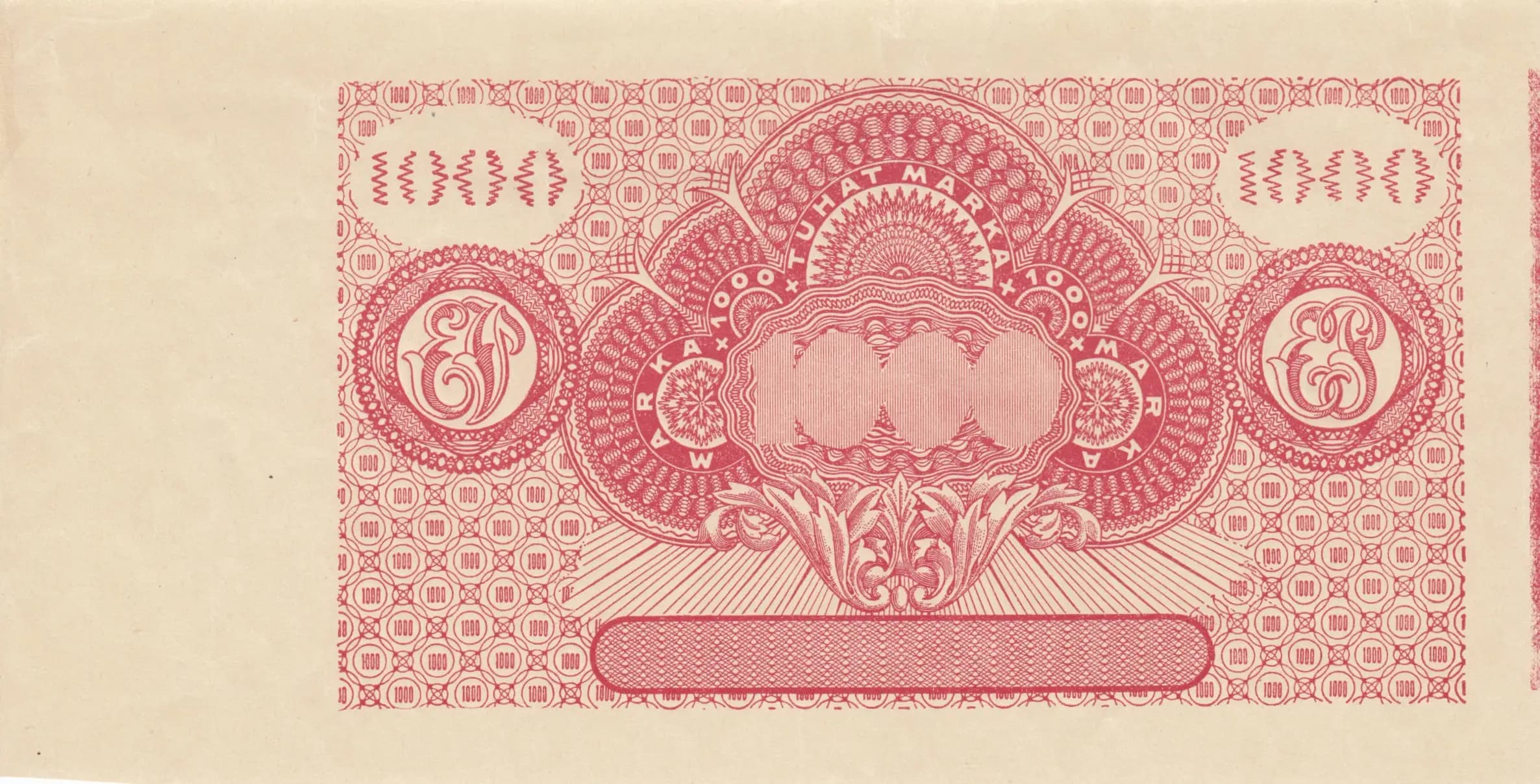
This is an exceptionally rare 1927 progressive proof of the Estonian 1000 marka note, presented in pristine UNC condition. The reverse displays an ornate red/pink design on cream paper featuring elaborate circular medallions, radiating cartouches, and a central maritime landscape vignette—characteristic of interwar Estonian currency design. As a progressive proof specimen (Pick P-59fpp2), this represents an important stage in the banknote production process and is highly sought after by specialized collectors of Estonian numismatics and proof currency.
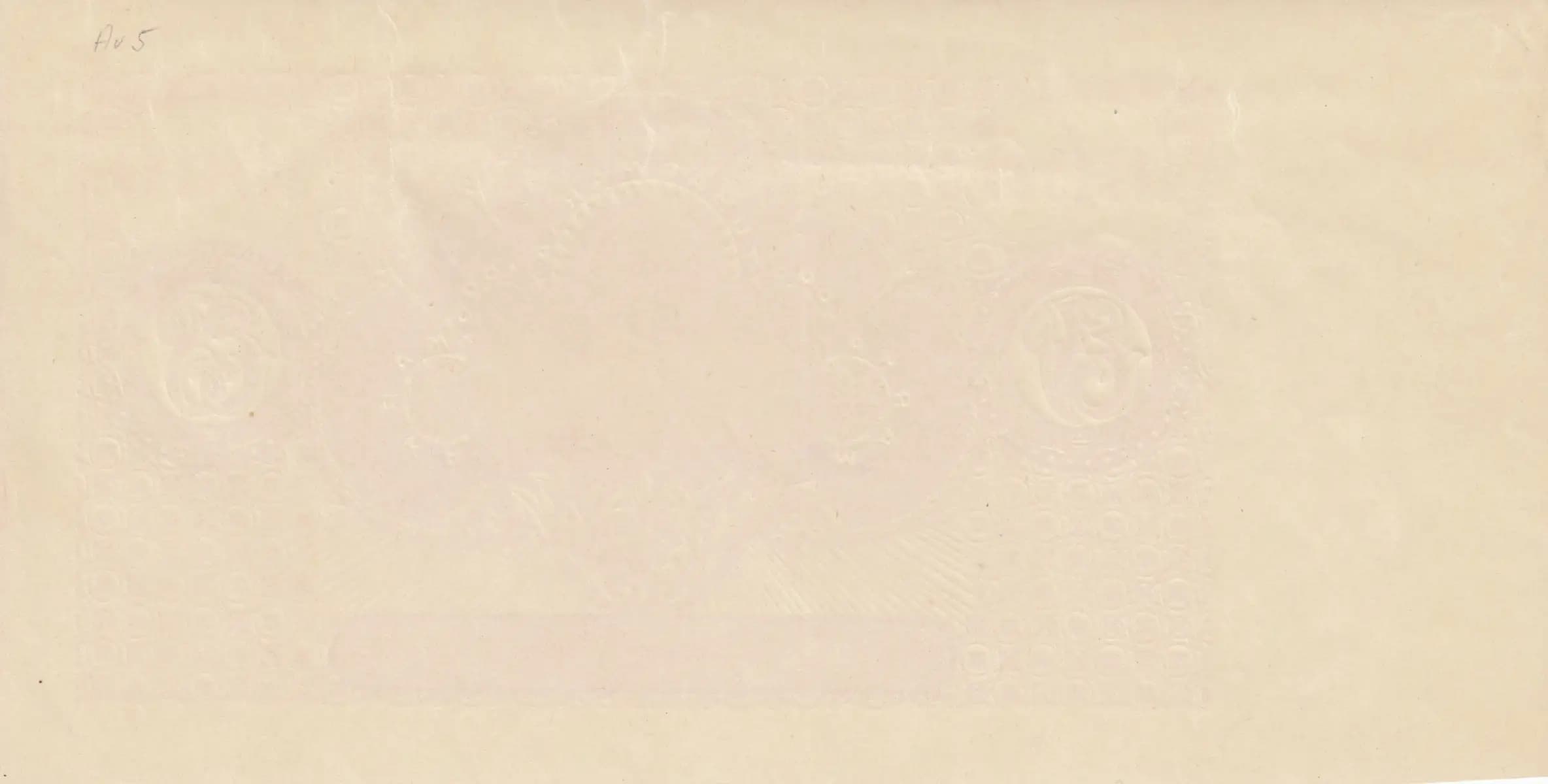
Very rare. Progressive proofs (particularly second progressive proofs as indicated by 'fpp2') are experimental or approval-stage specimens produced in extremely limited quantities—typically only a handful of impressions for each stage. Unlike regular issued banknotes, these were not released into general circulation and were retained for archival or reference purposes. The Pick catalog designation (P-59fpp2) confirms this is a proof variant, not a regular circulation issue. The pristine UNC condition and archival provenance (evidenced by the cataloging notation on the verso) further enhance rarity and collector value.
Estonia's 1000 marka note was issued during the young republic's early years of financial independence, following the 1918 declaration of independence from Russia. The maritime landscape vignette and ornamental design reflect Estonia's strategic importance as a Baltic port nation, with the Port of Tallinn (Reval) imagery emphasizing the country's commercial and maritime heritage during the 1920s. The Treasury of Estonia's production of this denomination demonstrates the new nation's efforts to establish a stable, internationally-recognized currency.
The reverse features a symmetrical, highly ornamental design typical of 1920s European banknote engraving. Central to the composition is a large decorative cartouche with radiating fan-like patterns (acanthus leaf motifs) framing a maritime landscape vignette in the middle, likely depicting the Port of Tallinn as cataloged. Flanking this central element are two prominent circular medallions containing the numeral '6' (possibly representing denomination sub-units or security features). The entire design is bordered by a repeating geometric pattern incorporating the value '1000' within circular elements. The fine line engraving, cross-hatching, and stippling throughout provide both aesthetic appeal and security enhancement characteristic of professional security printing.
Back side: '1000' (repeated in border pattern) = 'One thousand' (denomination); 'PUHKRAT MARK' (visible in circular text) = 'Pure Mark' (Estonian, denoting the currency type and fineness standard). The inscriptions identify this as legal tender of the Estonian monetary system in the 1920s.
Intaglio engraving (line engraving and recess printing), the standard method for high-value banknotes of this era. The intricate cross-hatching, stippling, and fine line work visible in the visual analysis are hallmarks of intaglio production. The printer for Estonian banknotes of this period was typically a specialized security printer; this progressive proof would have been produced during the design and approval stages before full production commenced.
This specific note is identified as Pick P-59fpp2, denoting it as a second progressive proof of the 1000 marka design. Progressive proofs are produced at various stages during banknote engraving to show the design development and obtain approval. The 'fpp2' designation indicates this is the second progressive proof state for this design. No signatures, dates, or serial numbers would be expected on proof specimens. The handwritten notation 'H/S' on the verso is an archival or cataloging reference mark, consistent with museum or advanced collector documentation practices for proof material.