1000 marka 1927 progressive proof
About This Note
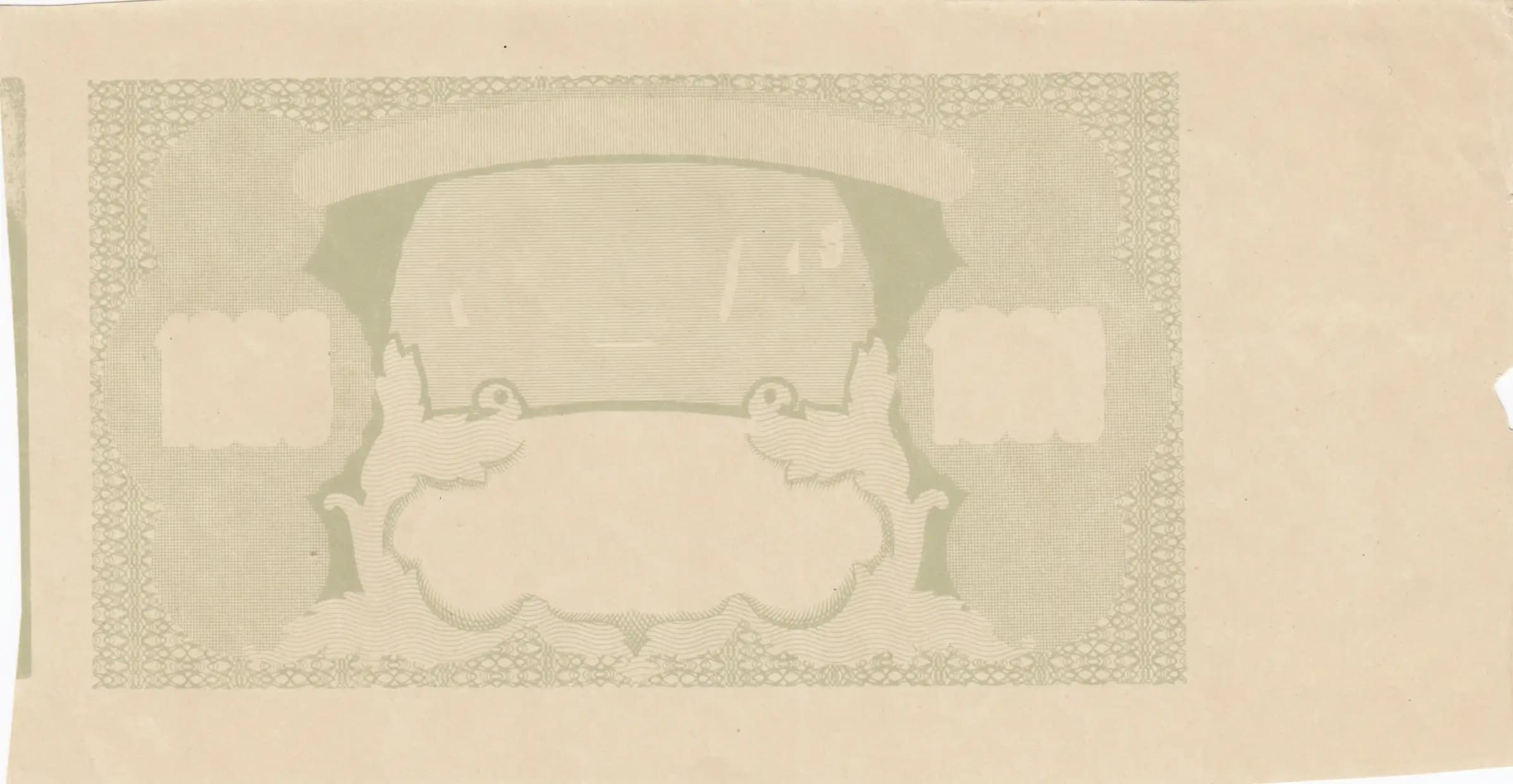
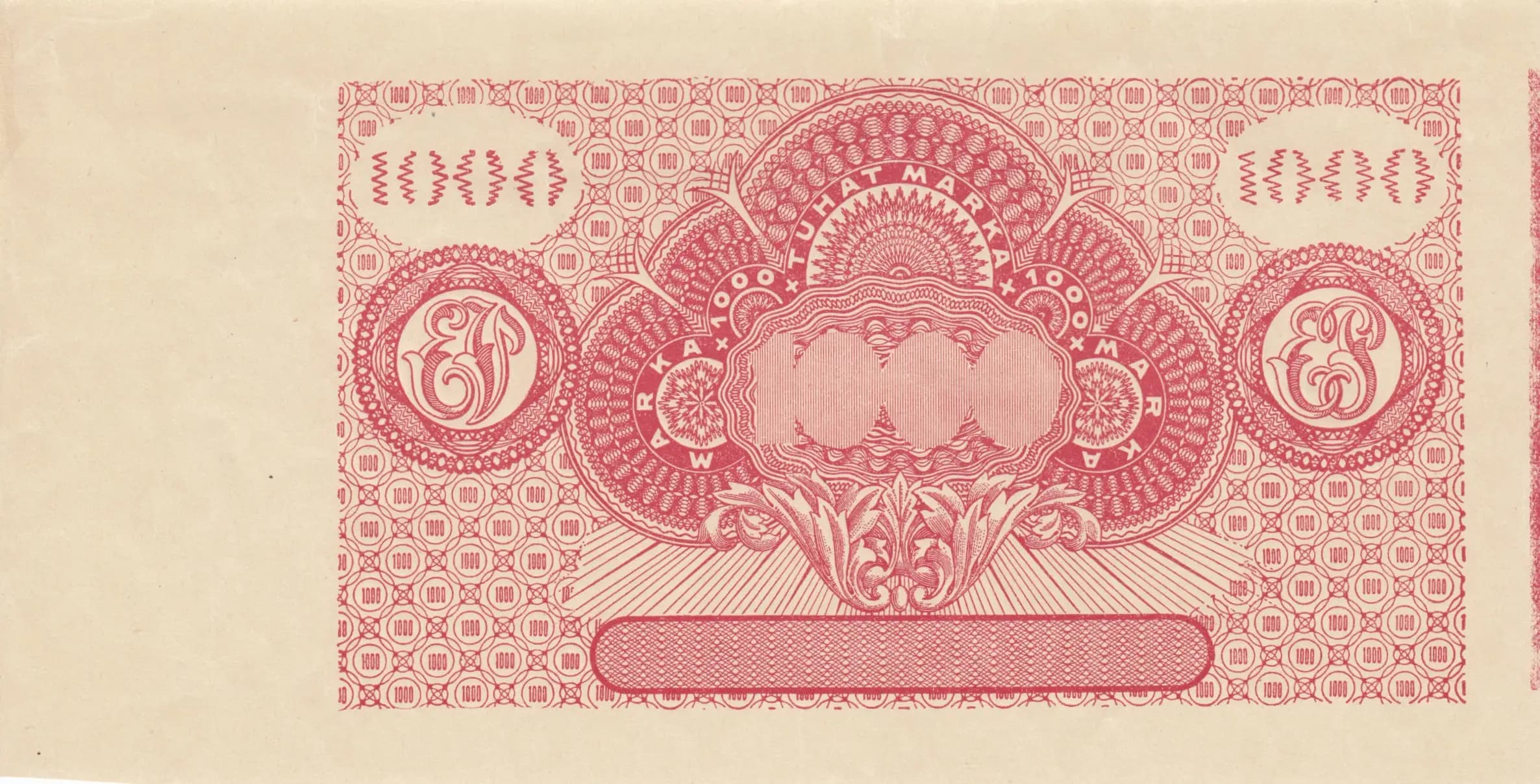
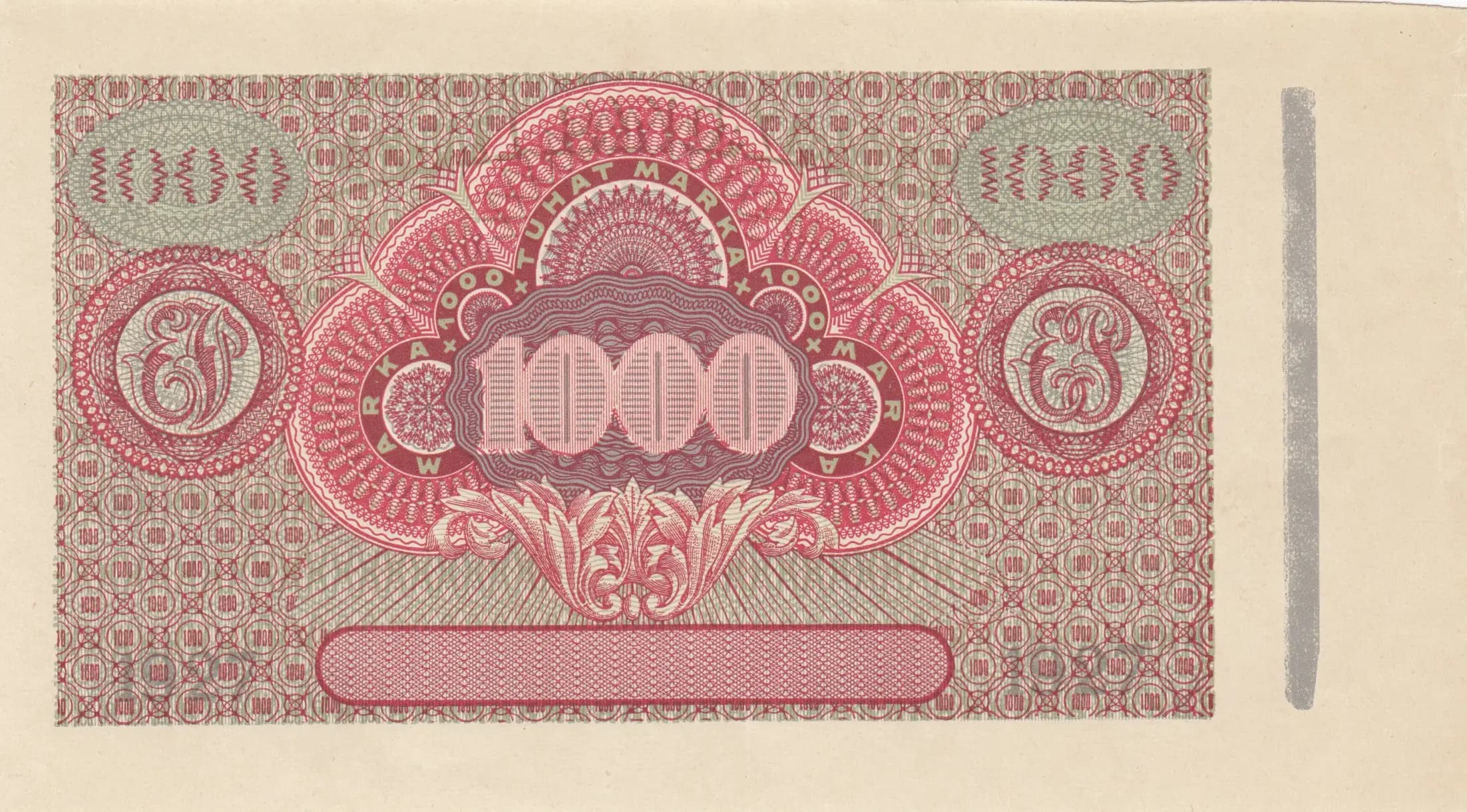
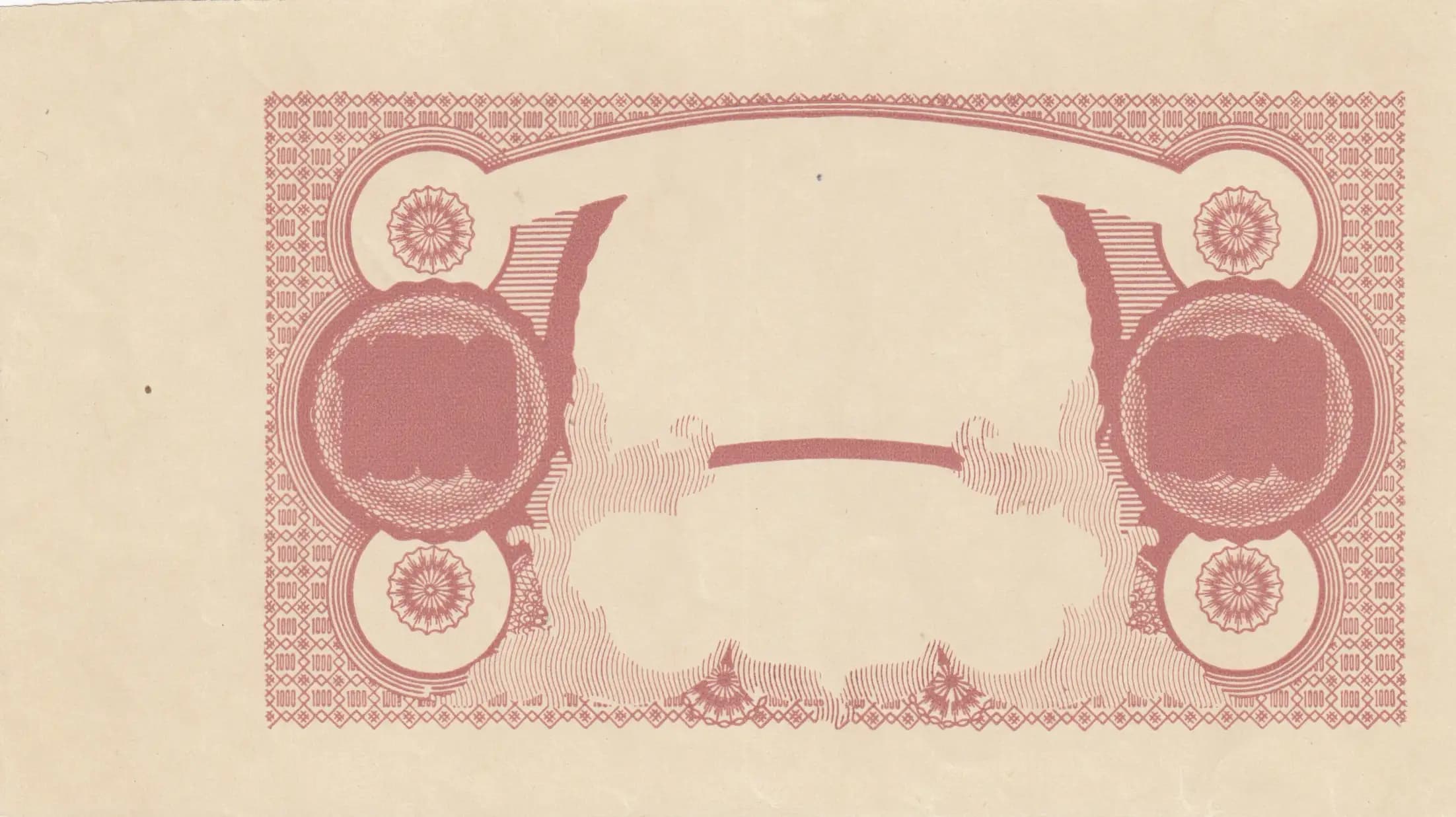
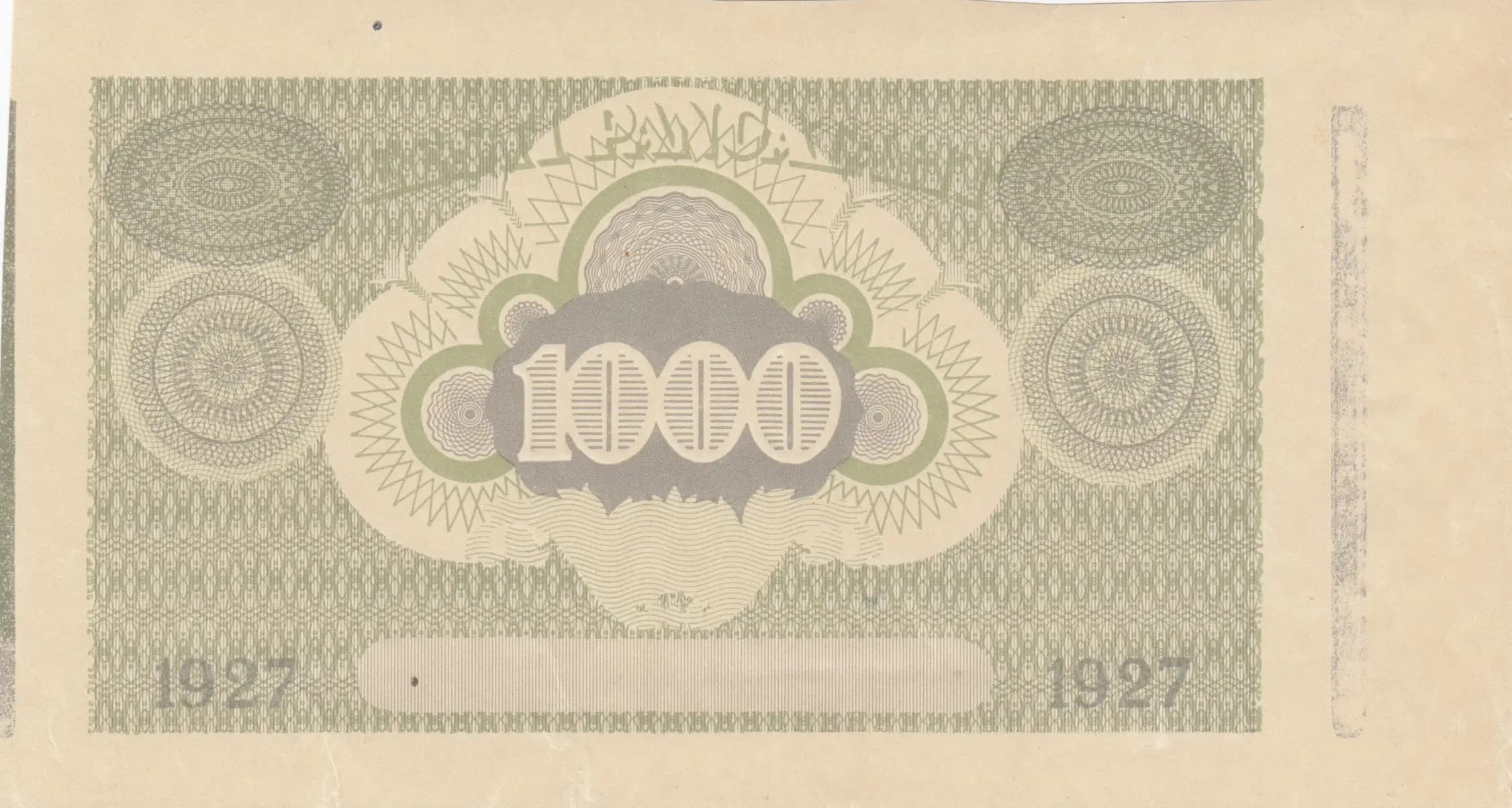
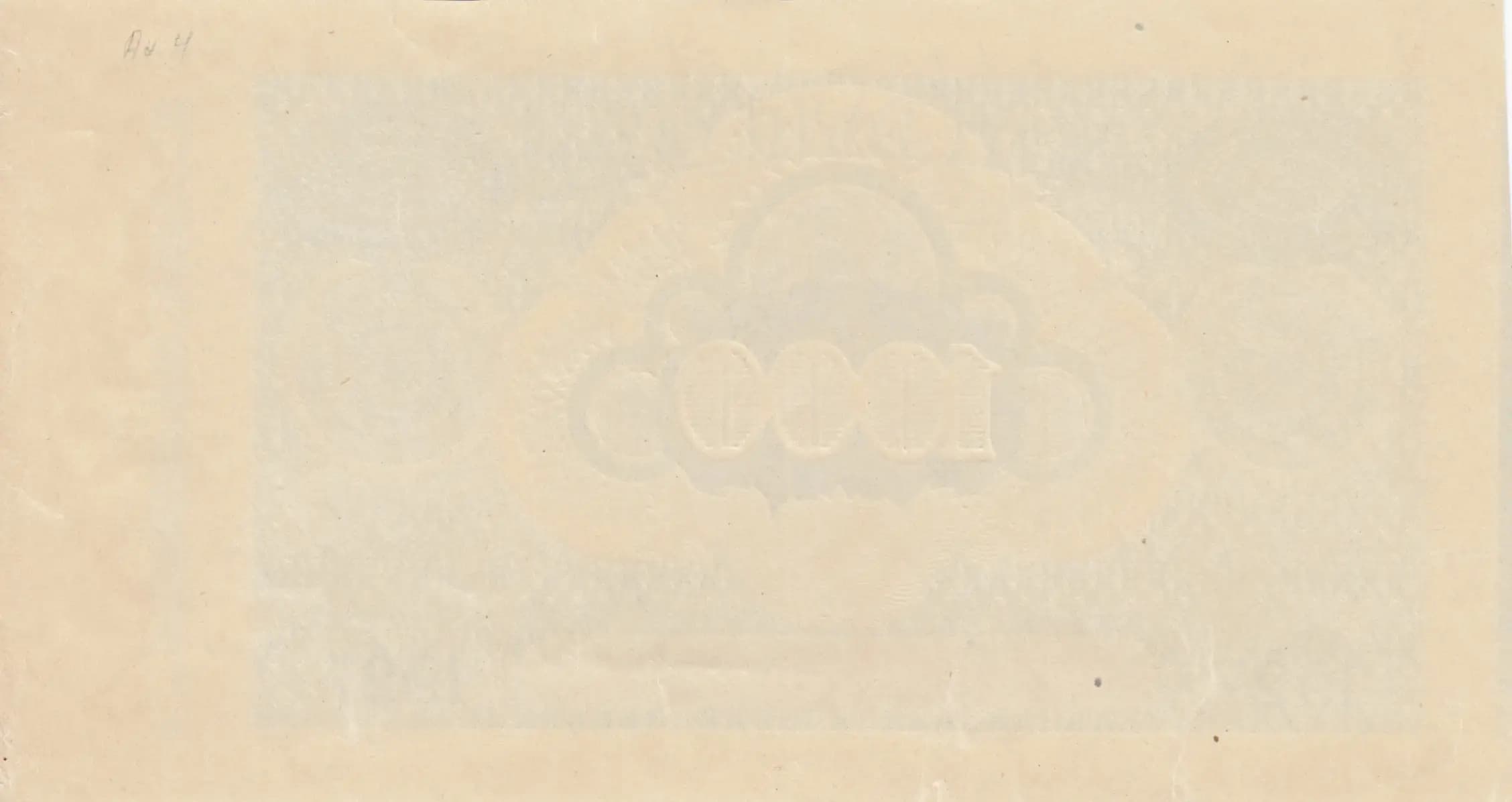
This is an exceptional 1000 marka progressive proof from Estonia's 1927 emission, representing an important intermediate stage in the banknote's production process. The reverse displays the completed ornamental design with intricate green and beige engraved patterns, while the obverse appears as a minimal proof stage with only faint embossed denomination visible—a characteristic feature of progressive proofs used to validate design elements before full production. In AU condition with pristine paper and no circulation wear, this specimen represents a significant piece of Estonian numismatic history and printing documentation.
Scarce. Progressive proofs represent intermediate production stages and are rarely preserved or released into the numismatic market compared to issued circulation notes. The combination of the specific Pick number (P-59fpp10), the proof stage designation, and AU condition makes this a specialized collector's item. While Estonia's 1000 marka circulating notes may be more common, progressive proof examples from 1927 are far fewer in number and typically command premiums from serious collectors of banknote production artifacts and Estonian currency specialists.
The 1000 marka denomination was issued during Estonia's interwar period (1918-1940) when the newly independent nation was establishing its monetary system and international credibility. The ornate, symmetrical design featuring elaborate geometric and floral ornamentation reflects the aesthetic standards of 1920s security printing and the pride of a young nation asserting its sovereignty through high-quality currency design. The 1927 date indicates production during the height of Estonia's economic stabilization period under the gold standard.
The reverse features a classically ornate banknote design typical of European security printing in the 1920s. The dominant element is a large, shield-like cartouche with scalloped or cloud-like borders containing the denomination '1000' rendered with horizontal line shading for security purposes. The frame is surrounded by elaborate geometric ornamentation including radiating sunburst patterns and circular medallion designs positioned symmetrically in the upper corners. The background is covered in fine-line engraved cross-hatching and intricate geometric patterns rendered primarily in green and beige tones. This comprehensive engraved background serves both aesthetic and anti-counterfeiting functions. The obverse appears as a progressive proof stage with minimal printing, showing only faint embossed security elements.
Back side: '1000' (denomination in large numerals), '1927' (year of issue, appearing in bottom left and right corners). The obverse shows faint embossed '1000'. All inscriptions are numerical rather than textual, consistent with international banking conventions of the period. No additional text inscriptions are legible in either image.
Intaglio engraving (copperplate/steel engraving), the standard security printing method for banknotes of this era. The fine-line cross-hatching, precise geometric patterns, and layered ornamental details visible in the reverse image are characteristic of master engraving work. The progressive proof nature indicates this was produced during the design validation stage before full production runs. Estonian banknotes of this period were typically produced by established European security printers, likely using multi-color intaglio techniques with separate passes for each color.
This is specifically cataloged as a progressive proof (designation 'fpp10' in Pick number P-59fpp10), indicating it represents the 10th stage or variant in the progressive proof sequence for this design. Progressive proofs typically show incremental stages of color separation and design completion—in this case, the back appears fully printed while the obverse shows minimal detail, characteristic of intermediate proof stages. No serial numbers are visible in either image, consistent with proof/specimen production. This particular variety is differentiated from standard issued notes (P-59) and other proof stages by its specific progression stage designation.