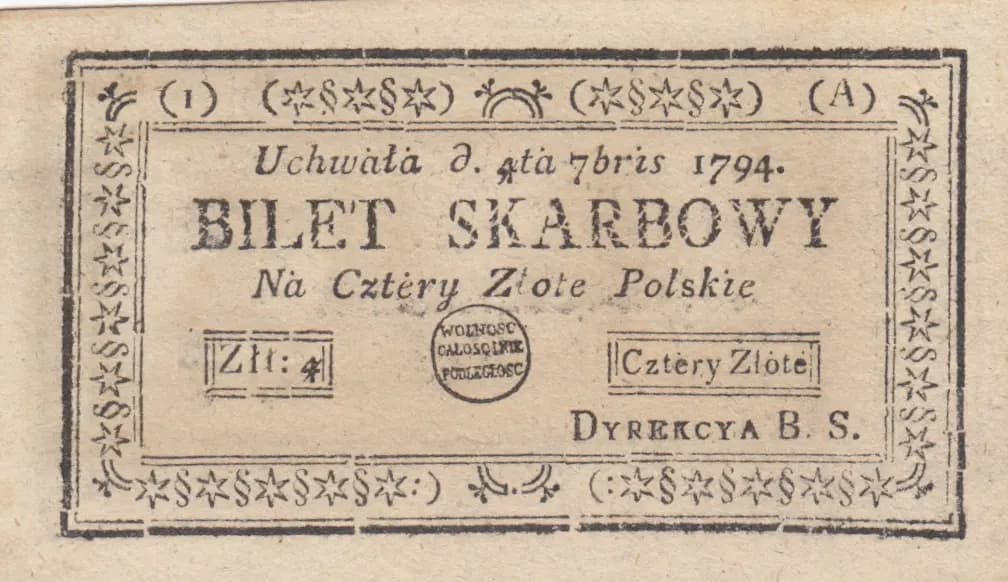
1 zlot 1794
Market Prices
About This Note
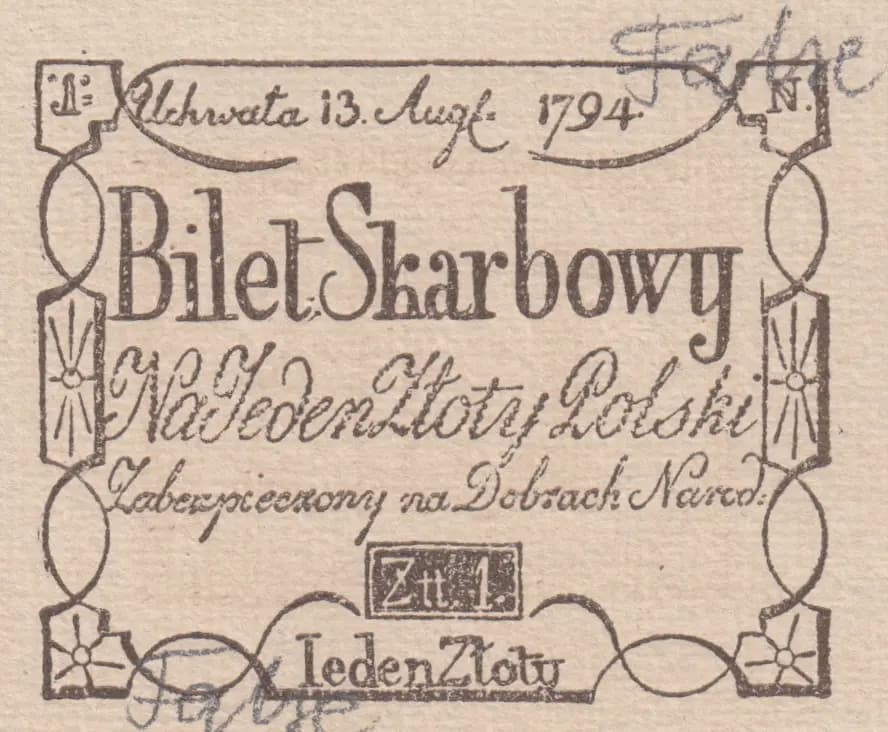
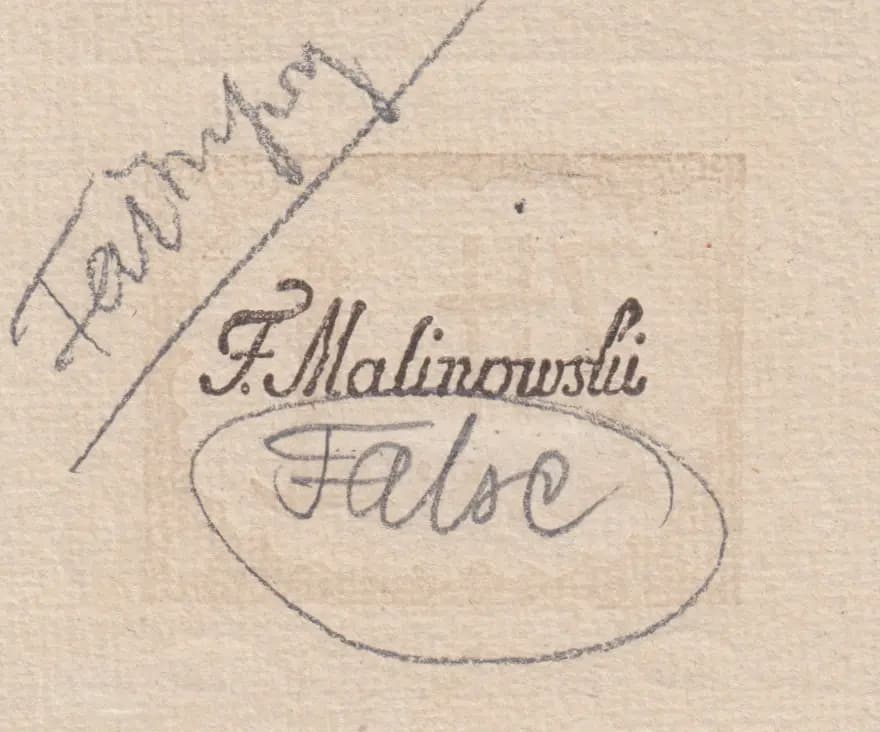
This is an exceptional example of a Polish 1 Zloty treasury note from 1794, issued during the tumultuous final years of the Polish-Lithuanian Commonwealth. The note features classical 18th-century design with ornamental circular and floral border elements surrounding the central text, printed in dark brown/black ink on aged tan/beige paper. Despite significant foxing and creasing consistent with its 230-year history, the note retains clear legibility of key inscriptions and three authenticated signatures on the reverse, making it a compelling historical artifact for collectors of early Polish currency.
Common. The catalog price data from REALBANKNOTES.COM (G: $75, F: $150, EF: $300 as of 2016) indicates modest market values typical of commonly encountered notes rather than scarce or rare issues. While notes from 1794 are historically significant, this particular denomination and issuer were produced in sufficient quantities that examples remain accessible to collectors. The UNC condition grade noted in the metadata may command a premium relative to lower grades, but the denomination and type are not known to have been subject to intentional recalls or destruction programs that would artificially restrict supply.
This Bilet Skarbowy (Treasury Note) was issued on August 13, 1794, during the period of the Kosciuszko Uprising, when Poland was fighting for independence against Russian partition. The note's inscription indicating it was 'Secured on National Estates' reflects the financial desperation of the Polish government, which was attempting to fund military operations through asset-backed debt instruments. The handwritten signatures of F. Malinowski, Filse, and Tammowski represent authorized officials of the National Lottery administration, evidencing the administrative structure Poland maintained during this critical period.
The note employs a symmetrical classical design typical of late 18th-century Polish financial instruments. The front features an ornamental decorative border composed of circular ornaments positioned on the left and right edges, with floral design elements integrated into the bottom corners, creating a formal frame around the central text area. A central decorative cartouche or frame element anchors the composition, with the denomination and issuing authority text arranged within this structured layout. The typography combines formal printed text (the denominational and institutional information) with period-appropriate cursive script. No portraits or specific landmarks are depicted; instead, the design relies entirely on geometric and floral ornamental elements to convey authority and legitimacy. The reverse is deliberately minimalist, preserving space for the handwritten authorization signatures that authenticate the individual note.
FRONT: 'Warszawa 13. Augl. 1794' (Warsaw, August 13, 1794) — date of issue; 'Bilet Skarbowy' (Treasury Note/Bond) — instrument type; 'Nacyjonalney Loteki' (National Lottery) — issuing authority; 'Zaberzeezony na Dobsach Nssod.' (Secured on National Estates) — security pledge; 'jeden Zloty' (one Zloty) — denomination. BACK: Handwritten signatures of three officials: 'F. Malinowski', 'Filse', and 'Tammowski' — authorization signatures.
This note was produced using letterpress printing, evident from the crisp impression of the decorative borders and text on the front side. The formal typography and consistent ink application are characteristic of 18th-century Polish printing practices. The specific printer responsible for this Pick number (P-A10) is not definitively documented in readily available numismatic references, but the printing quality suggests production by an established Warsaw printing house authorized by the National Lottery administration. The reverse was completed with handwritten signatures in manuscript ink, a common practice for treasury notes of this era to provide individual authentication.
This specific example is distinguished by the three authorized signatures visible on the reverse: F. Malinowski, Filse, and Tammowski. Treasury notes from this period often vary by signature combinations, as different officials would authenticate batches of notes over time. The date of August 13, 1794, places this note during the height of the Kosciuszko Uprising (March-November 1794), making it part of the emergency currency issued during active conflict. Collectors of this series may encounter varieties based on signature combinations and printing batches, though systematic cataloging of these variants by the major pick services remains incomplete.