1000 rublei 1921
About This Note
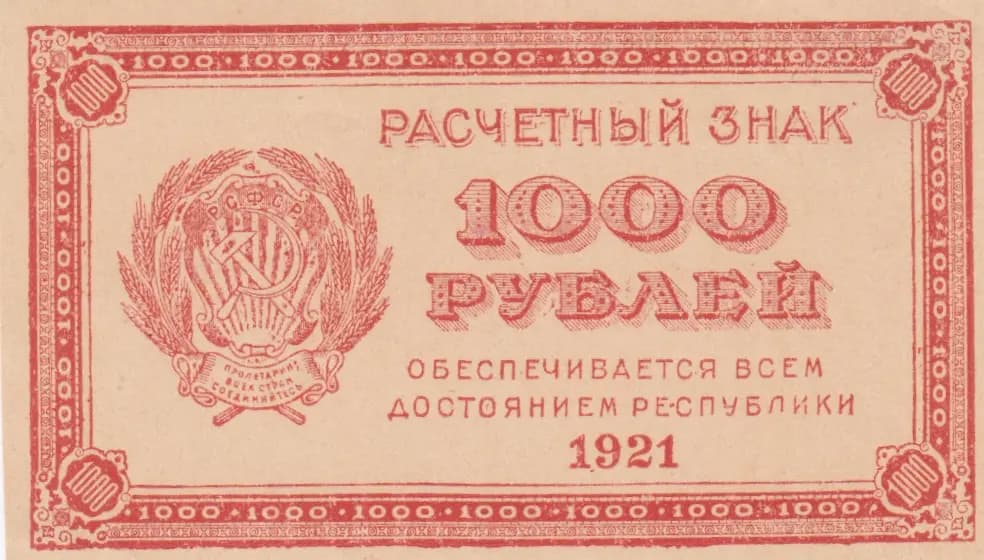
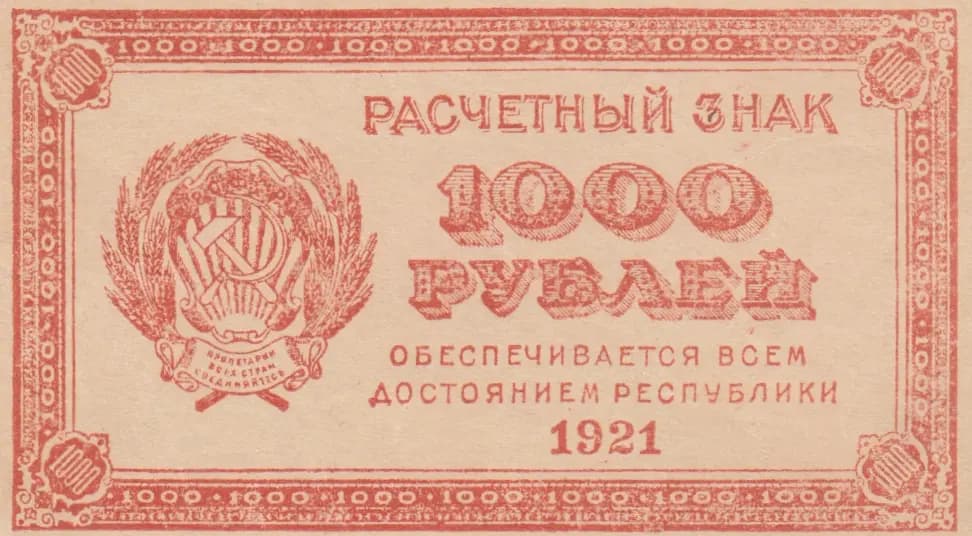
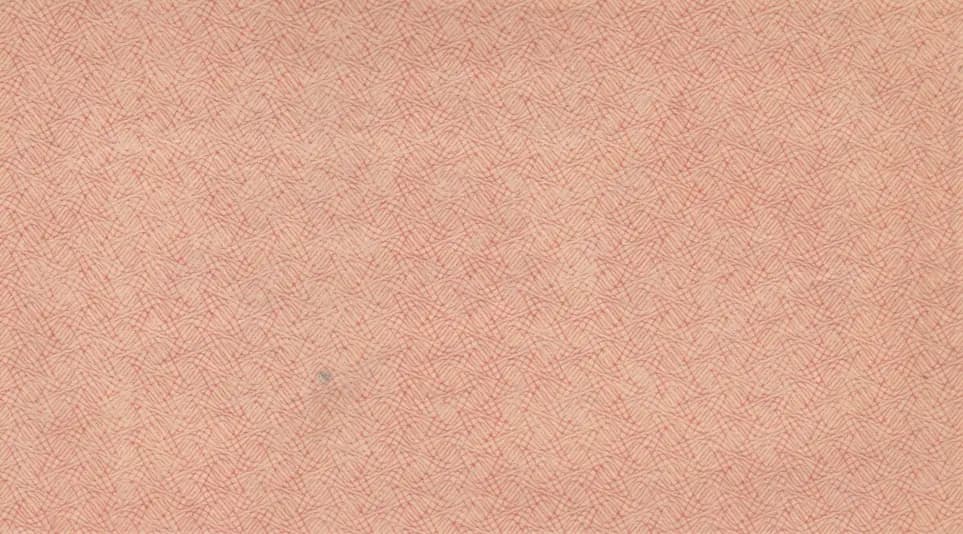
This is an exceptional example of a 1000 Rubles note from the early Soviet period (1921), issued by the R.S.F.S.R. State Treasury during the tumultuous transition following the Russian Revolution. The note displays the characteristic design of Soviet currency from this era, featuring a prominent hammer and sickle coat of arms within a decorative wreath, bold red-orange typography on a cream background, and a secure geometric pattern covering the reverse. In UNC condition as observed, this note exhibits pristine clarity with no wear, creases, or damage, making it an outstanding example for collectors of early Soviet monetary history.
Common. The 1921 1000 Rubles note (Pick P-112b) was issued in substantial quantities as part of the Soviet government's effort to establish a functional currency system during the early NEP period. While notes from this era are certainly not as abundant as later Soviet issues, the denomination and timeframe were produced with sufficient volume to ensure regular availability in the numismatic market. UNC examples command modest premiums over circulated specimens, but the note itself is not scarce or rare.
The 1921 1000 Rubles note represents a pivotal moment in Soviet monetary policy, issued during the period of War Communism's waning and the transition toward the New Economic Policy. The inscriptions—particularly 'РАСЧЕТНЫЙ ЗНАК' (Clearing/Settlement Note) and the assertion that the note is 'backed by all the property of the Republic'—reflect the Soviet government's attempt to establish legitimacy and confidence in its new currency system despite severe economic instability. The prominent hammer and sickle imagery underscores the revolutionary ideology dominating the state's visual communication during this formative period.
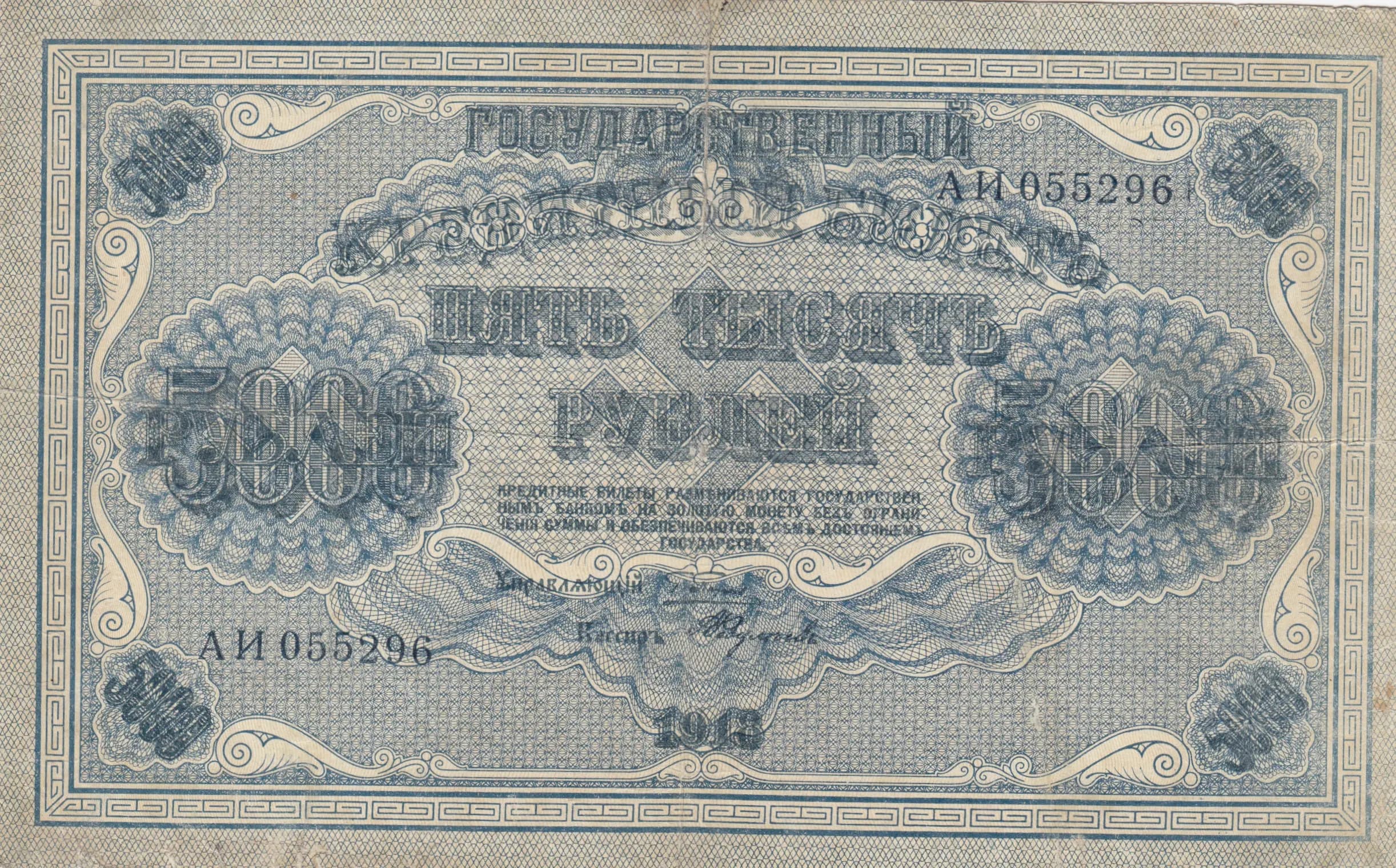
The front of this note features a formal, symmetrical design typical of early Soviet state currency. The coat of arms—a hammer and sickle crossed within a circular wreath—occupies the upper left quadrant and serves as the primary identifying symbol of Soviet authority. The denomination '1000' is rendered in large, bold numerals in the center of the note, with 'РУБЛЕЙ' (Rubles) displayed prominently below. The entire design is framed by an intricate ornamental border composed of repeating geometric and floral-inspired patterns, which served both an aesthetic and security function. The reverse presents a complete-coverage security tint consisting of fine diagonal or geometric lines in the same red-orange color on the cream base, representing an early anti-counterfeiting technique. The color scheme of warm cream with red-orange printing was standard for Soviet currency of this period.
Front side: 'РАСЧЕТНЫЙ ЗНАК' translates to 'Clearing Note' or 'Settlement Note'; '1000 РУБЛЕЙ' means '1000 Rubles'; 'ОБЕСПЕЧИВАЕТСЯ ВСЕМ ДОСТОЯНИЕМ РЕСПУБЛИКИ' translates to 'Is guaranteed/backed by all the property/wealth of the Republic'; and '1921' indicates the year of issue. Back side: No inscriptions are present; the reverse consists entirely of a repeating geometric security pattern.
This note was produced using engraved intaglio printing, as evidenced by the fine detail visible in the coat of arms, the crisp precision of the ornamental border patterns, and the consistent line work throughout. The uniform geometric pattern on the reverse also suggests intaglio or lithographic production. Early Soviet banknotes of this period were typically printed by state security printers; for the 1921 1000 Rubles (Pick P-112b), production occurred at facilities under direct Soviet control, though specific printer attribution for this issue varies by source.
Pick P-112b represents the standard 1921 issue of the 1000 Rubles denomination. This specific catalog number denotes the primary design variant for this denomination and year. Variations within this series may include different serial number ranges or minor printing differences, but the visual characteristics observed here—the hammer and sickle coat of arms, the beige-cream background with red-orange printing, and the geometric reverse pattern—are consistent with the cataloged P-112b variety. No overprints or unusual varieties are apparent in this example.