1 rubel 1915
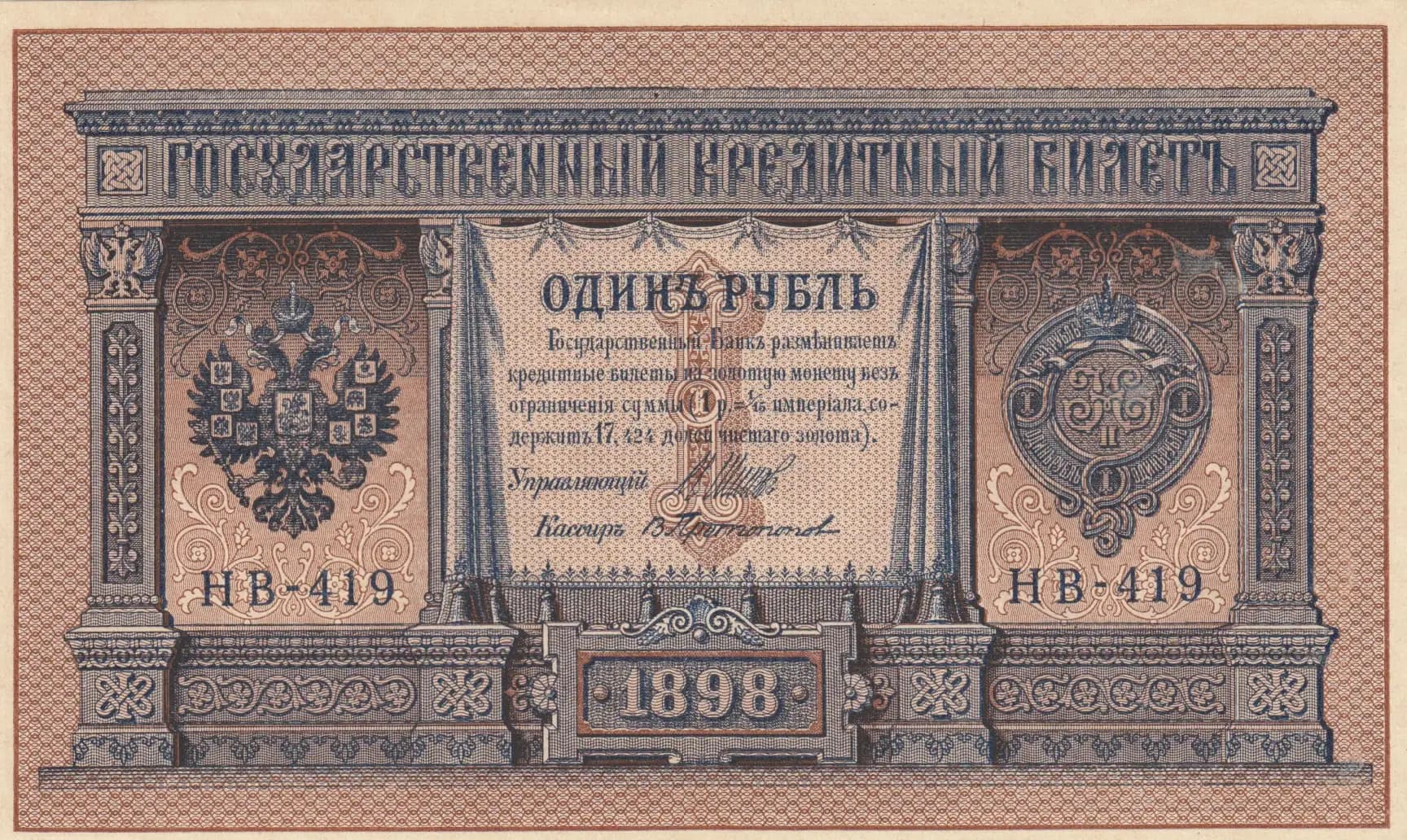
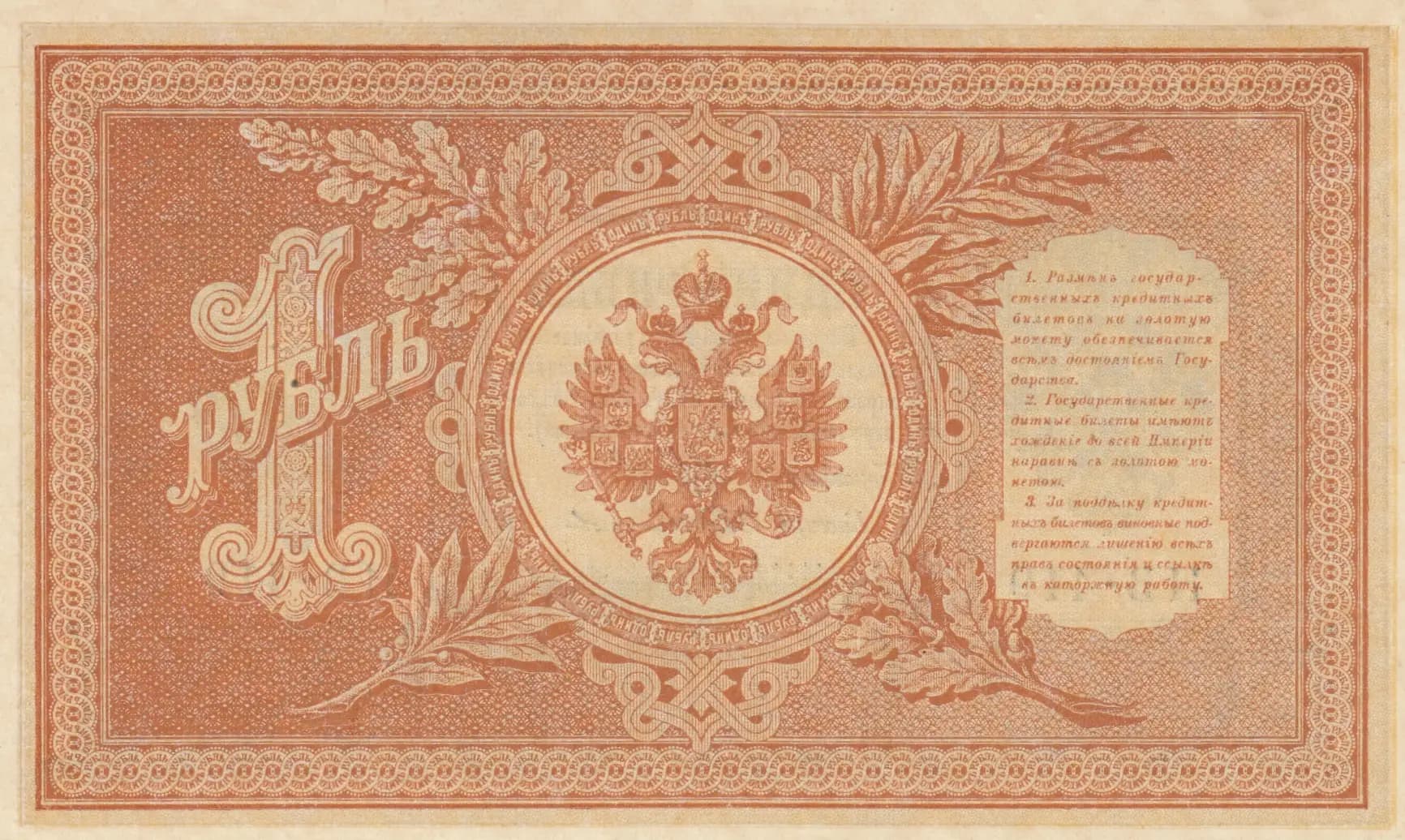
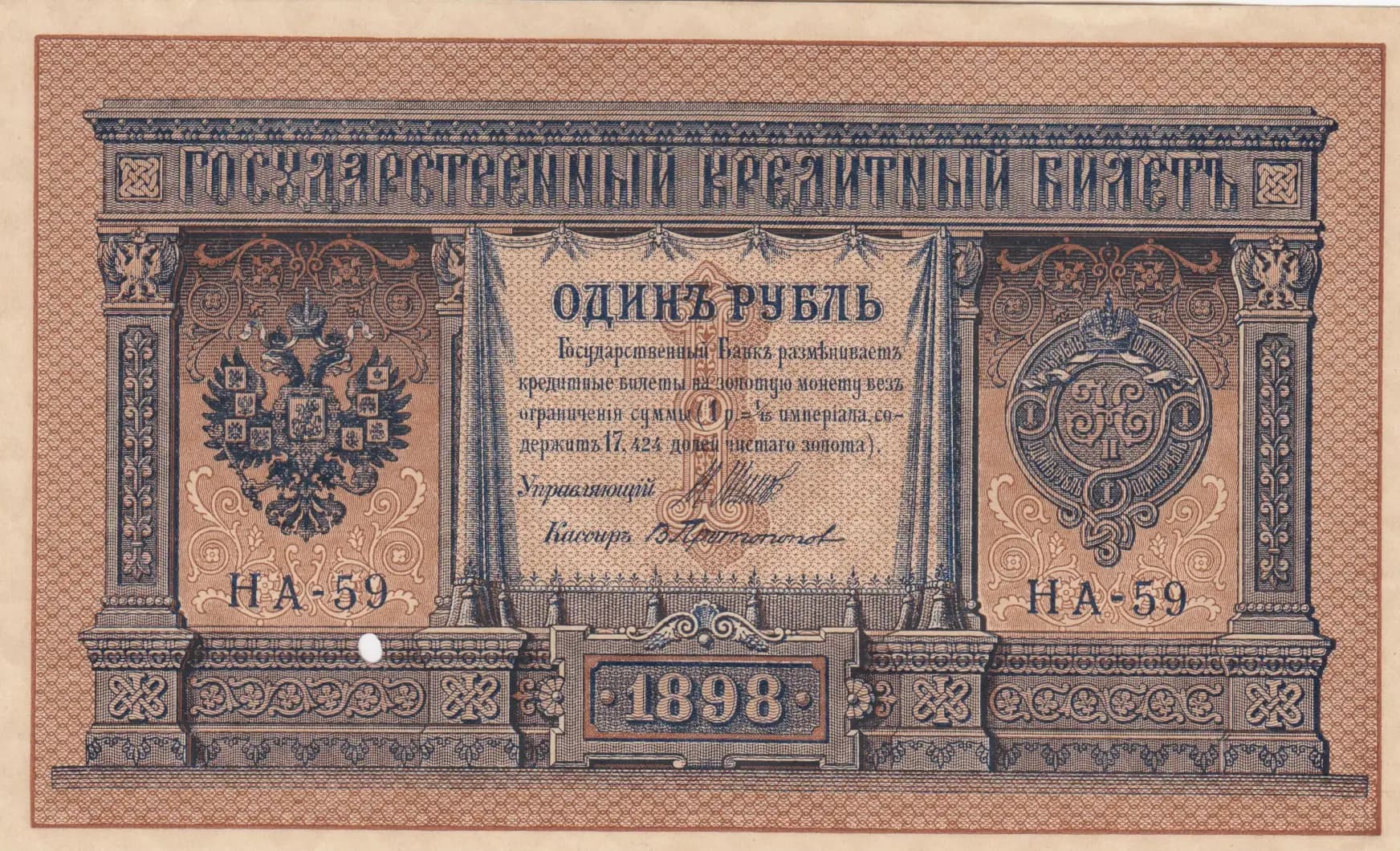
“Sig.Protopopov”
About This Note
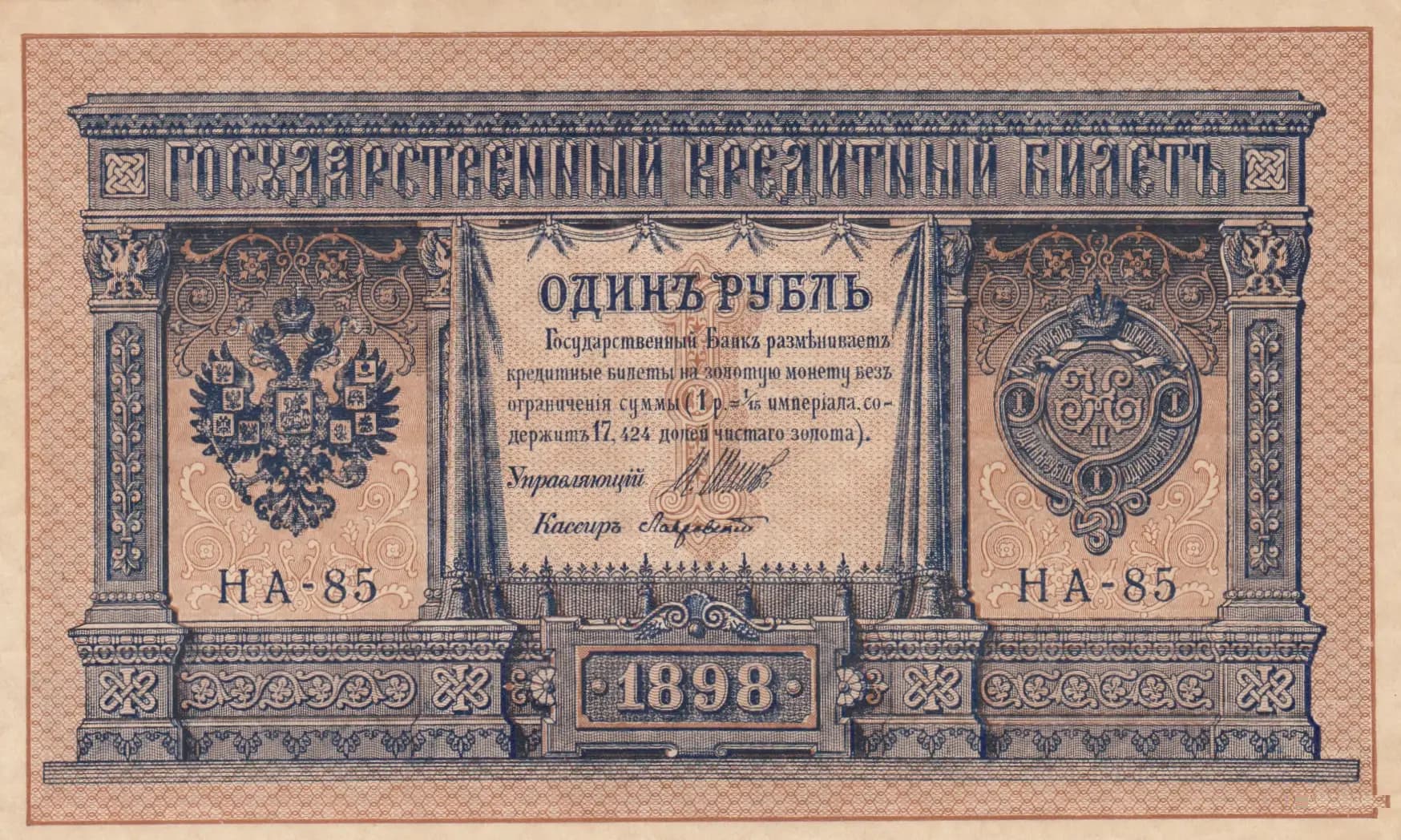
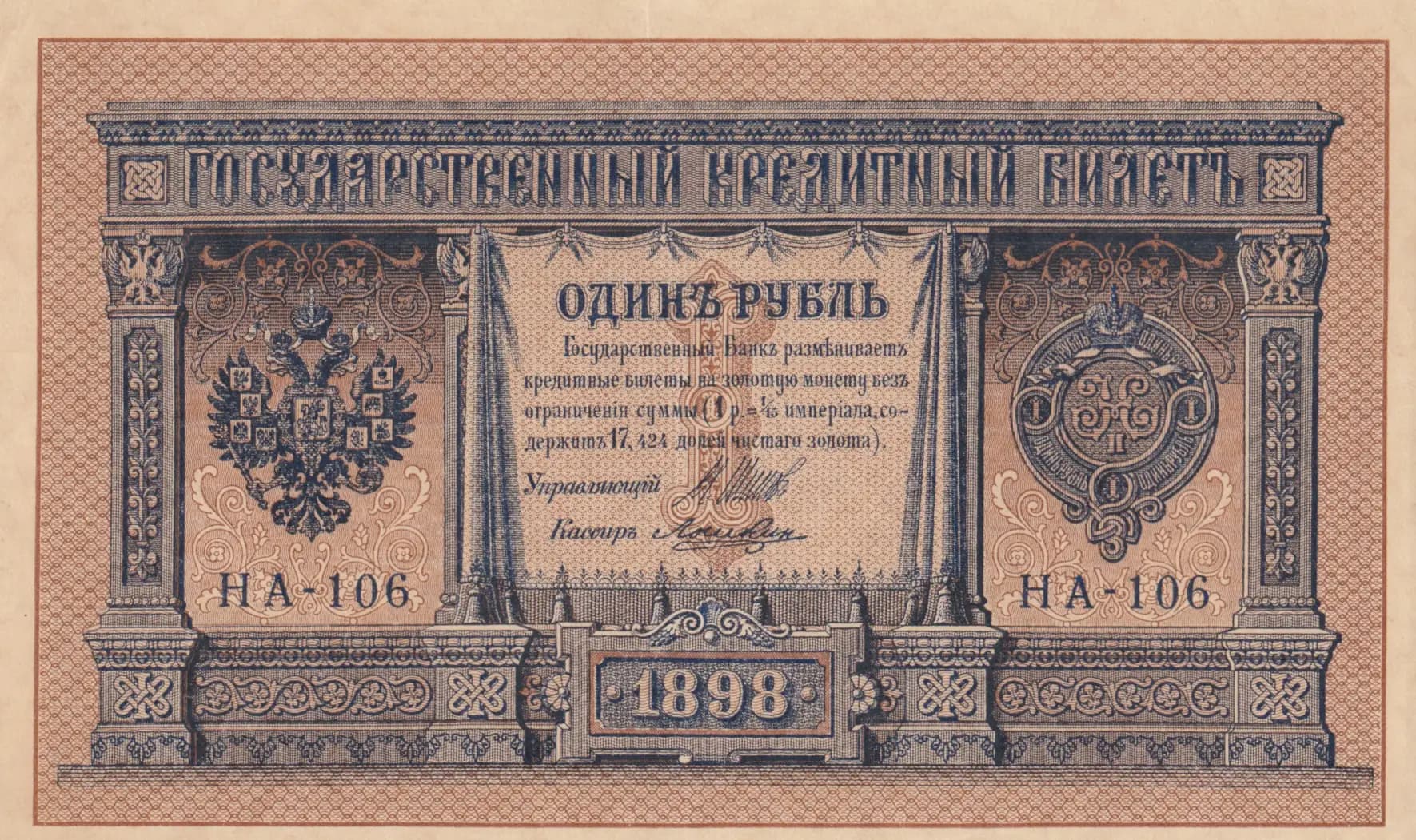
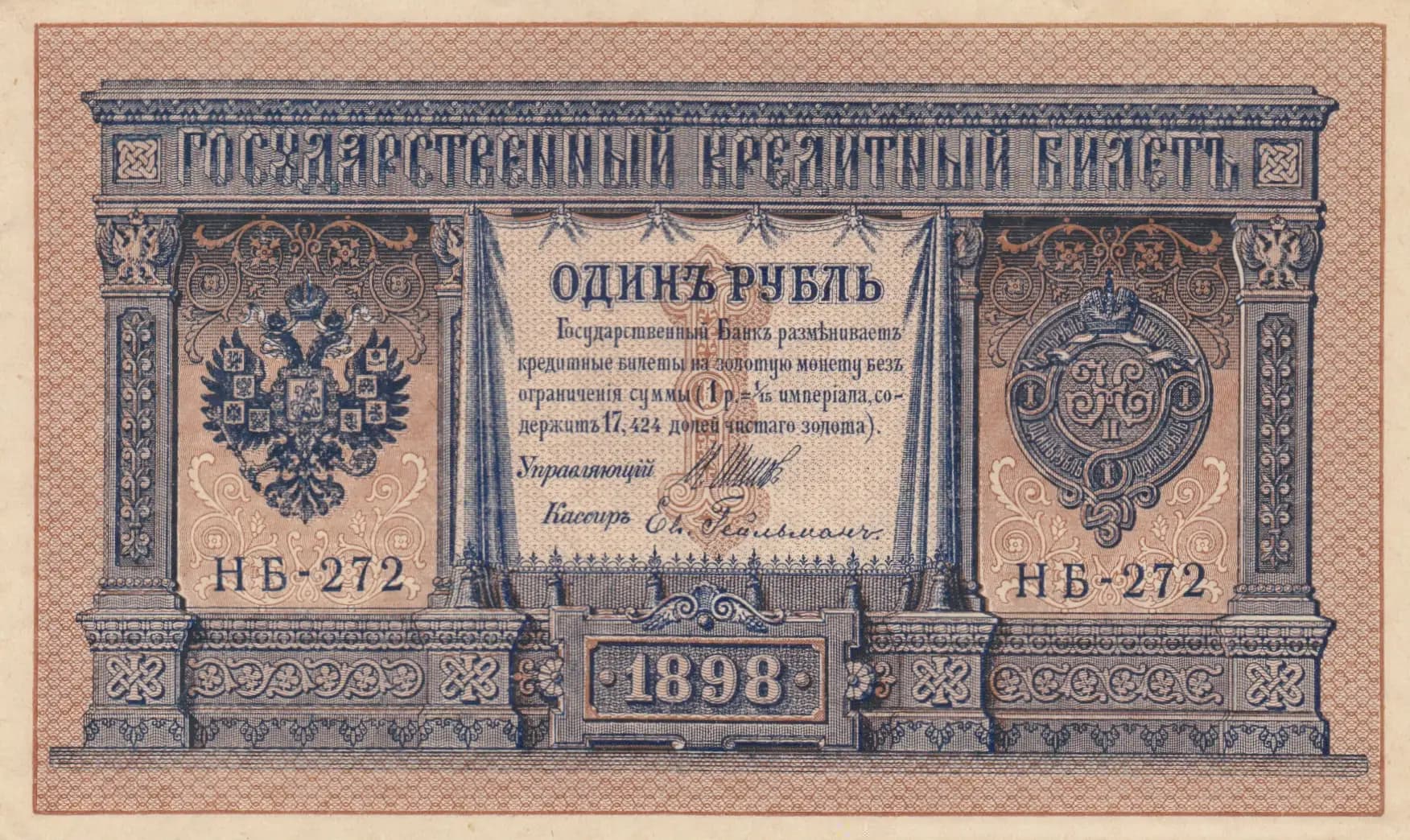
This is an exceptional example of a Russian Imperial 1 Ruble note from 1915, graded UNC with outstanding eye appeal. The note displays the classic ornate design characteristic of early 20th century Russian currency, featuring a pale tan/beige front with blue-gray and brown accents, and a distinctive rust/terracotta reverse centered on the Imperial double-headed eagle. The crisp impressions, uniform coloration, and complete absence of wear indicate this note has never circulated, making it a desirable specimen for collectors of Russian Imperial currency and early Soviet-era banknotes.
Common. This is a standard circulation note from a substantial issue of Russian Imperial 1 Ruble notes during 1915. While the UNC condition grade is desirable and commands a premium over circulated examples, the Pick-15(3-9) designation encompasses a range of varieties from a large authorized printing. No evidence of restricted print runs, short-lived issue periods, or major recall campaigns affects this particular denomination and year combination. The signature of Protopopov (Managing Director of the State Bank during this period) is documented on multiple known examples, further indicating a standard, widely-produced variety.
This 1 Ruble note was issued during the final years of the Russian Imperial period by the R.S.F.S.R. (Russian Soviet Federative Socialist Republic), representing the transitional currency phase following the 1917 Revolution. The prominent Imperial double-headed eagle coat of arms adorning both sides of the note reflects the continued use of Tsarist heraldry during the early Soviet consolidation of power, while the 'State Credit Note' designation emphasizes the new regime's authority over the monetary system. The legal text guaranteeing the note's value in gold and its circulation throughout the Russian Empire exemplifies the gold standard monetary policy still in effect during this tumultuous period of Russian history.
The front of the note features an ornate rectangular frame constructed with classical architectural columns and elaborate geometric borders, housing the denomination and legal text on a light cream background. The design incorporates the Russian Imperial double-headed eagle coat of arms within decorative frames positioned on both left and right sides, surrounded by rosettes and intricate ornamental flourishes. Serial numbers appear in opposing corners. The reverse is dominated by a central circular medallion containing a finely engraved representation of the Imperial double-headed eagle, flanked by laurel wreaths symbolizing authority and prosperity, with flowing scrollwork and leaf patterns radiating outward. The overall color scheme employs a restrained palette of tan, beige, blue-gray, brown, and rust/terracotta tones, characteristic of Imperial Russian currency design. The architectural and heraldic elements emphasize governmental legitimacy and stability, while the gold-backed guarantee text reinforces the monetary reliability of the issue.
FRONT SIDE: 'ГОСУДАРСТВЕННЫЙ КРЕДИТНЫЙ БИЛЕТ' (State Credit Note); 'ОДИН РУБЛЬ' (One Ruble); Extensive legal text stating: 'State Bank credit notes in gold currency without limitation of sum secured by imperial holdings. 17, 124 days of named gold.' Administrative designations: 'Управляющий' (Managing Director) and 'Кассир' (Cashier). Serial number prefix: 'НВ 419' with year '1898' (likely the engraving date). BACK SIDE: 'РУБЛЬ' (Ruble) displayed prominently in large decorative letters. Three numbered legal provisions: (1) 'The amount of state credit notes in gold currency without limit of sum is secured by the gold of the State'; (2) 'State credit notes circulate throughout the entire Russian Empire on equal terms with gold coins'; (3) 'The support of credit notes remaining specifically under the protection of the emperor is well-organized and strictly supervised.'
This note was produced using intaglio (engraved) printing, evidenced by the crisp, deeply impressed ornamental patterns, fine line work in the decorative borders, and the sharp definition of the eagle medallion and architectural frame elements visible in the UNC condition. The intricate detailing of the scrollwork, geometric patterns, and portrait-quality eagle design are hallmarks of engraved security printing. The note was likely produced by the Russian Imperial printing works, with the specific engraving date of 1898 noted on the face suggesting dies prepared during the later Tsarist period and continued in use through the 1915 issue.
This note is identifiable as Pick-15(3-9) based on the 1915 date and the signature of Protopopov as Managing Director. The serial number prefix 'НВ 419' represents one of multiple serial prefix sequences used during this printing period. The engraving date of 1898 visible on the note indicates these dies were prepared during the reign of Tsar Nicholas II and remained in production use through the 1915 issue. Collectors should note that Russian Imperial 1 Ruble notes of this period exist with various signature combinations and serial prefixes, all falling within the Pick-15 designation range, with (3-9) specifically referring to the Protopopov signature variety documented in this specimen.