1 rubel 1915
“Sig.Osipov”
About This Note
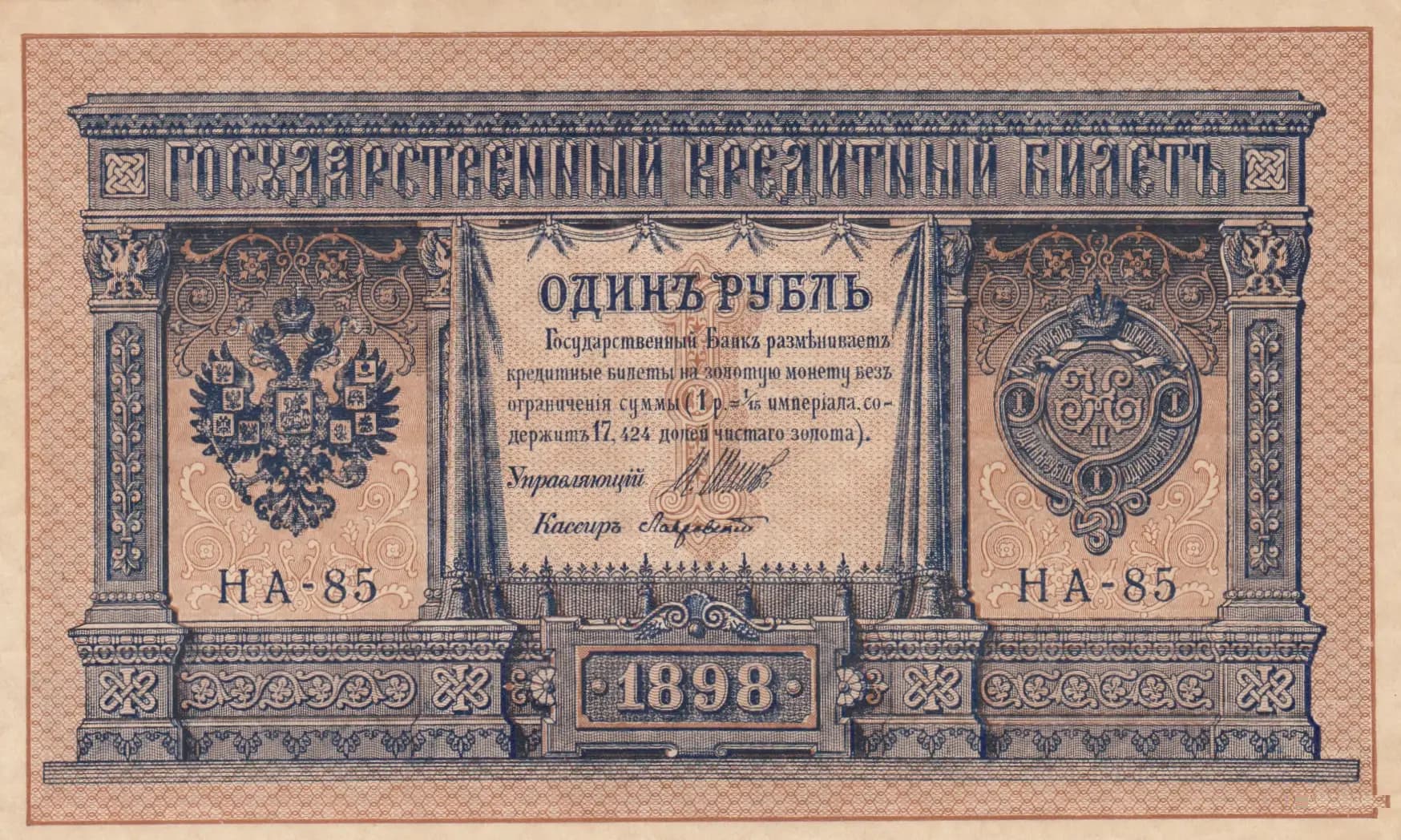
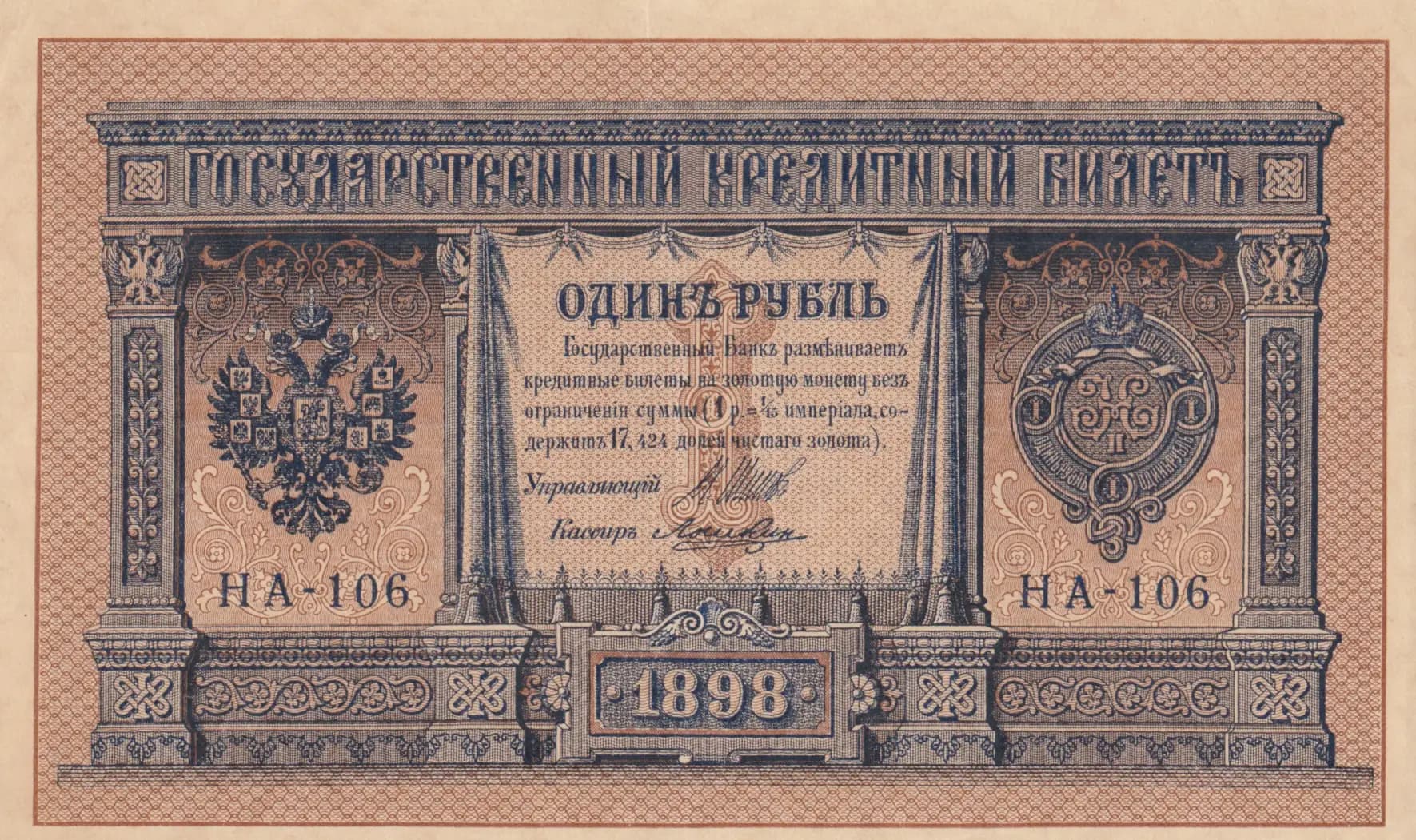
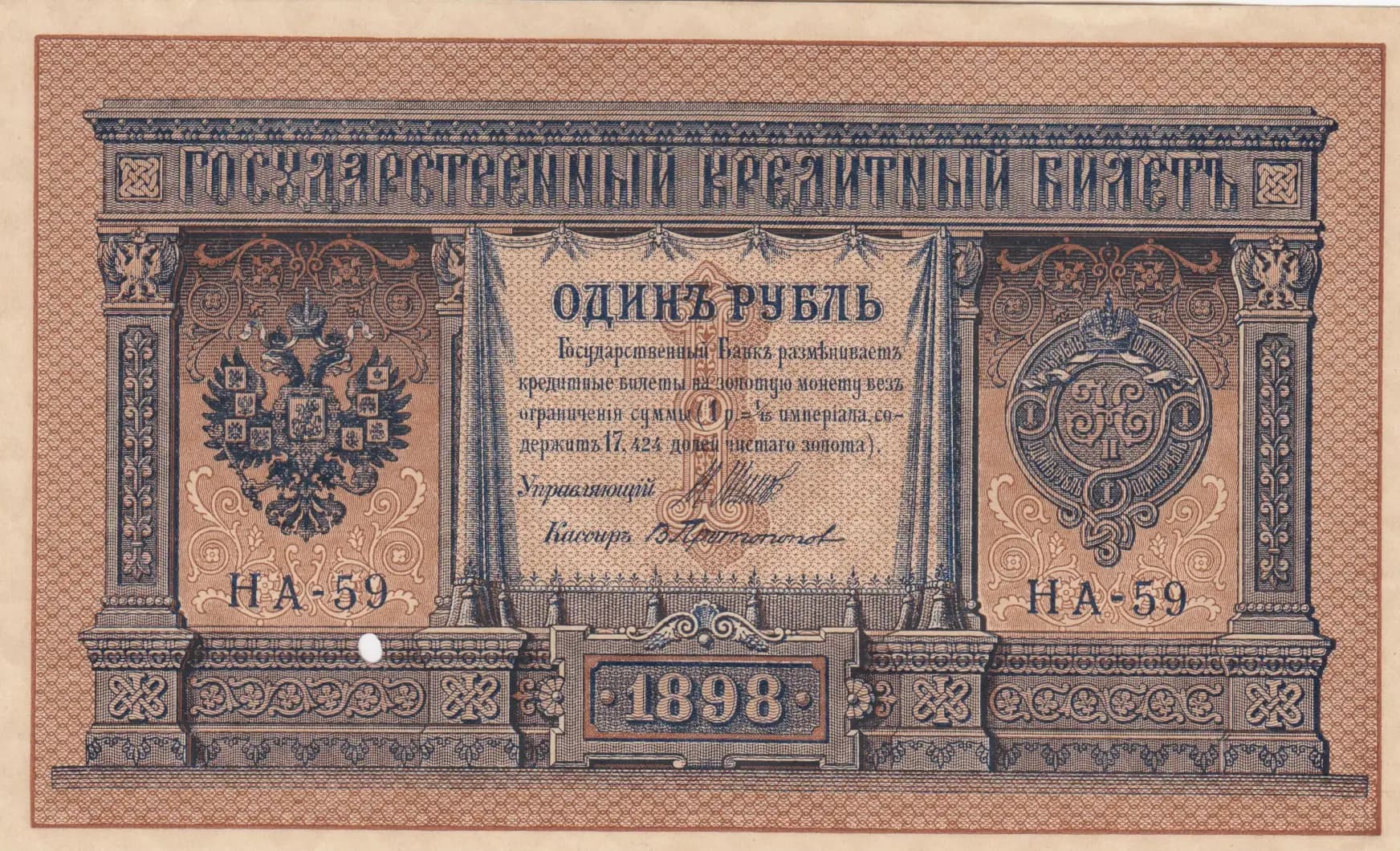
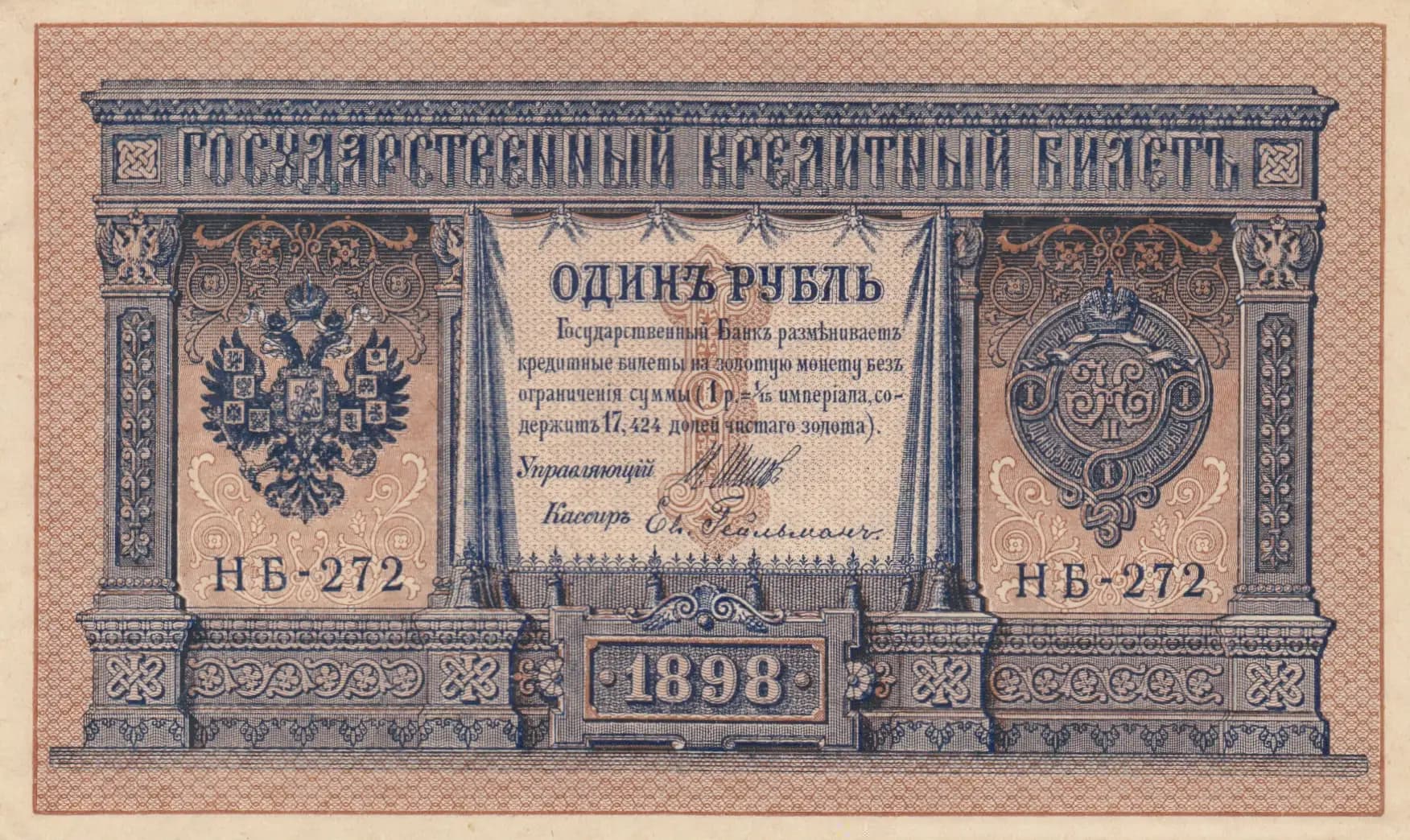
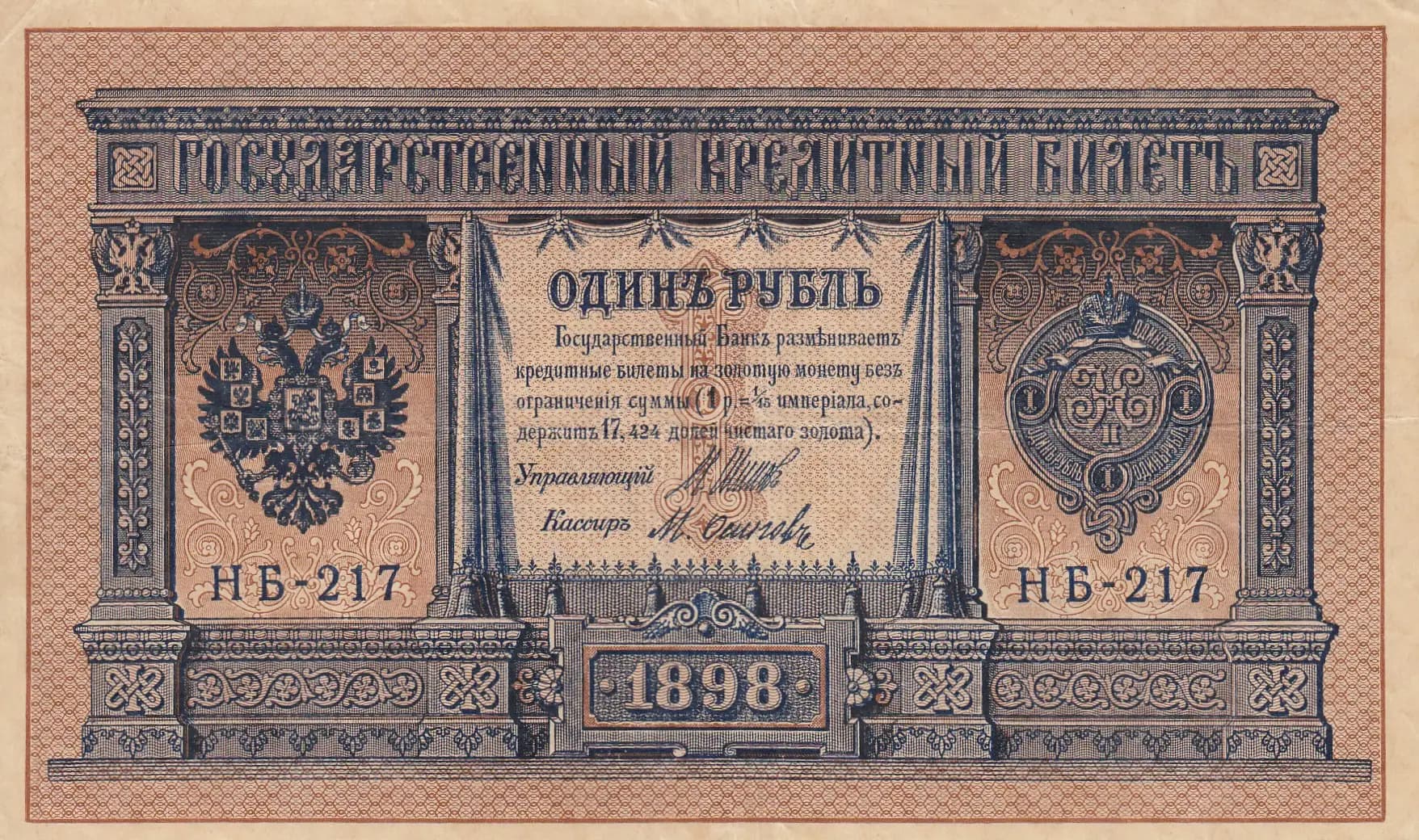
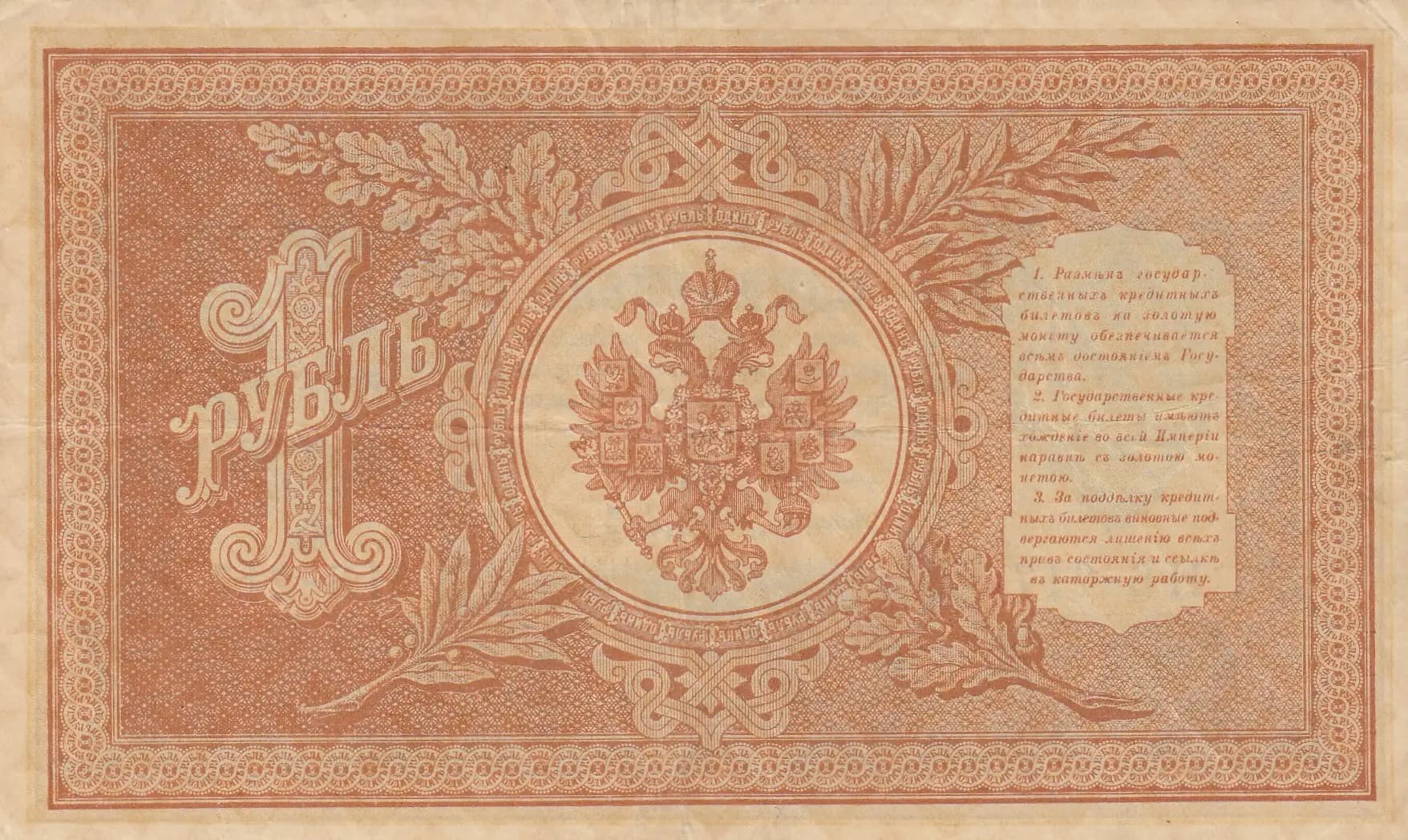
This is a Russian Imperial 1 ruble note from 1915, issued during the Provisional Government period following the February Revolution. The note exhibits the formal Imperial design aesthetic with ornate double-headed eagles, elaborate architectural framing, and fine line engraving throughout. In VF condition with excellent preservation, this example shows minimal wear and retains its tan/beige and brown coloration characteristic of the period, making it a well-preserved specimen of early 20th-century Russian monetary history.
Common. The 1915 1 ruble note (Pick P-15) was issued in substantial quantities during the final years of the Imperial monetary system and the subsequent Provisional Government period. No evidence suggests limited print runs, recall events, or extreme scarcity. VF condition examples regularly appear in the numismatic market at modest valuations, consistent with common banknote classification. The widespread circulation and survival of examples in various conditions indicate substantial original issuance.
This note was issued during a transitional period in Russian history when the Provisional Government (March-November 1917) attempted to maintain monetary stability following the abdication of Tsar Nicholas II. The retention of Imperial symbolism—particularly the prominent double-headed eagle appearing on both obverse and reverse—reflects the government's effort to maintain continuity of state authority and public confidence in currency during the chaos of revolution. The note's denomination and design represent the final phase of the Imperial monetary system before its replacement by Soviet currency.
The obverse features a highly symmetrical formal composition centered on an elaborate draped fabric or curtain design with ornate tassels and trim, flanked by decorative columns. The Russian Imperial double-headed eagle coat of arms appears on both left and right sides within heraldic frames, symbolizing state authority. The design employs fine ornamental scrollwork, decorative medallions, and guilloche patterns throughout. The reverse displays the Imperial double-headed eagle prominently in a central circular medallion surrounded by laurel wreaths and an ornamental crown, with 'РУБЛЬ' rendered in large decorative letters on the left. The entire composition is framed by an elaborate decorative border. No portraits appear on this note; the design relies entirely on Imperial heraldic symbols and ornamental artistic elements. The color palette of tan, beige, brown, and cream tones is consistent throughout both sides.
FRONT SIDE: 'ГОСУДАРСТВЕННЫЙ КРЕДИТНЫЙ БИЛЕТ' (State Credit Ticket/Note); 'ОДИН РУБЛЬ' (One Ruble); 'Государственный Банк размещает кредитные билеты на золото монету без ограничения суммы' (The State Bank places credit notes in gold currency without limit); Signature lines marked 'Управляющий' (Managing Director) and 'Кассир' (Cashier); Serial number prefix 'НБ 217'; Date '1898' (indicating the original design date). BACK SIDE: 'РУБЛЬ' (Ruble) in large decorative lettering; Legal text: '1. Размена определяется кредитными билетами за золотую монету обеспечивается открытием Риса государства' (Exchange determined by credit notes in gold currency secured by state resources); '2. Государственные кредитные билеты при потребе по всей Империи наравне со золотом монетом' (State credit notes required throughout the Empire equal to gold coins); '3. За поддержку кредитных свежих существования в семье со страховою работою' (For support of credit notes existence with insurance provisions).
Fine line engraving and intaglio printing, the standard security printing method for Imperial Russian banknotes of this period. The intricate decorative patterns, complex guilloche work, and multiple detailed security elements throughout both sides demonstrate the high-security intaglio production characteristic of State Bank note manufacture. The fine line detail visible in the security engraving and ornamental scrollwork is consistent with the work of Russian Imperial security printers of this era.
The specific variety designation P-15(2-9) indicates this is from the later Imperial/early Provisional Government series. The serial number prefix 'НБ 217' and signature line indicators ('Управляющий' and 'Кассир') should be examined for specific signature varieties. The 1898 date printed on the note indicates the original design registration year, not the issue date. Collector's notation of 'Sig.Osipov' suggests this example may feature a particular signature variety; Osipov was a notable Imperial/Provisional Government official whose signature appears on various denominations from this transitional period.