1 rubel 1915
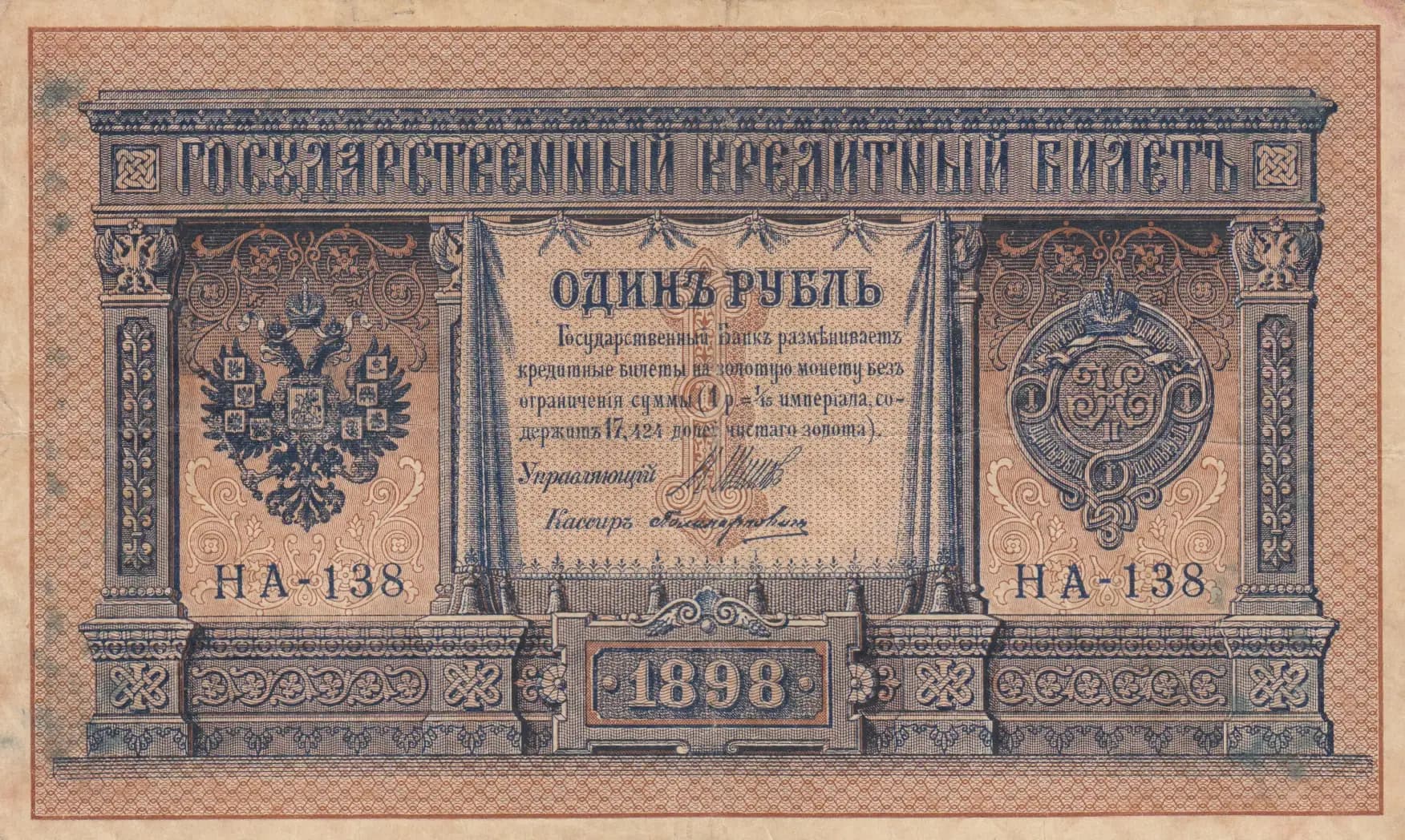
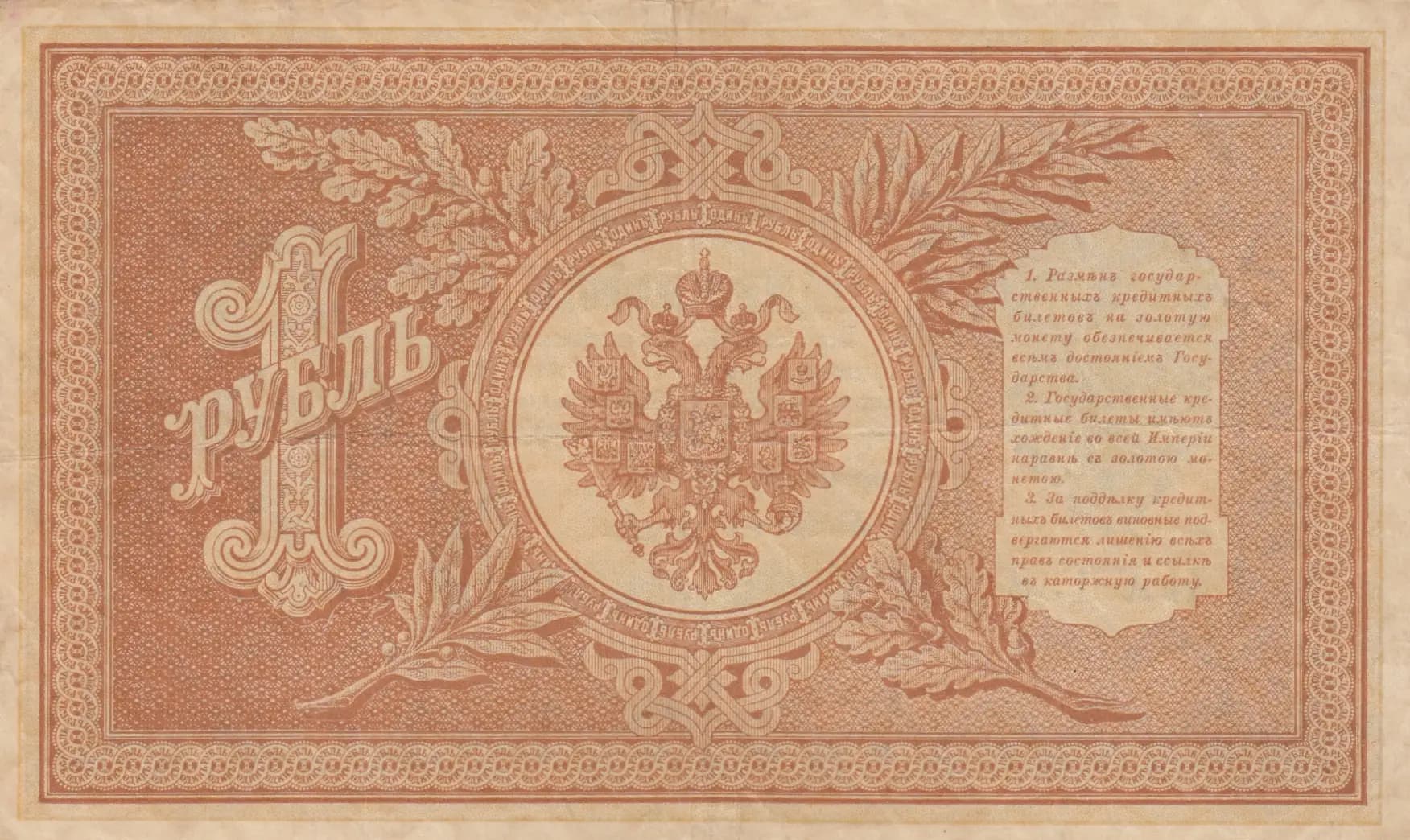
“Sig.Polikarpovich”
About This Note
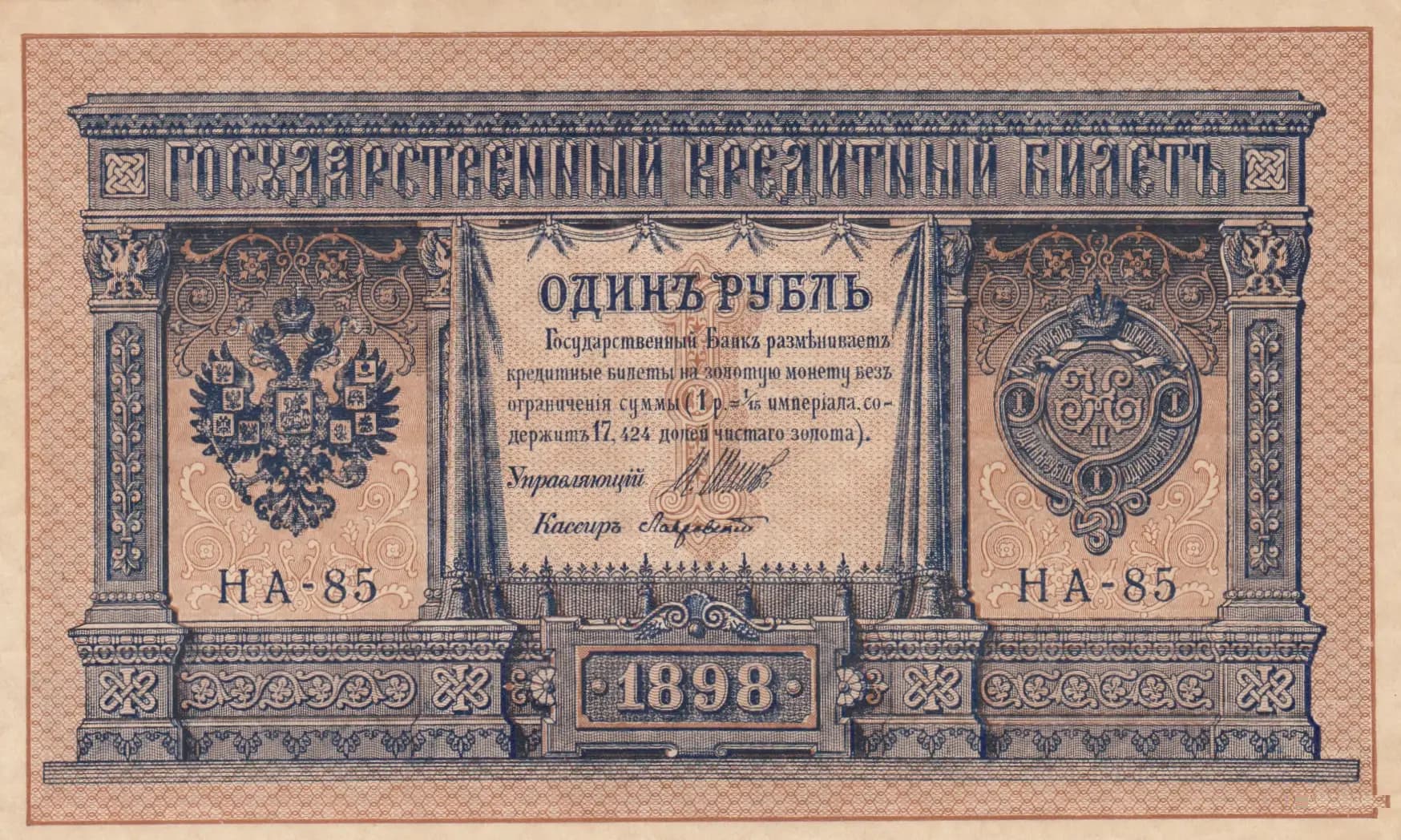
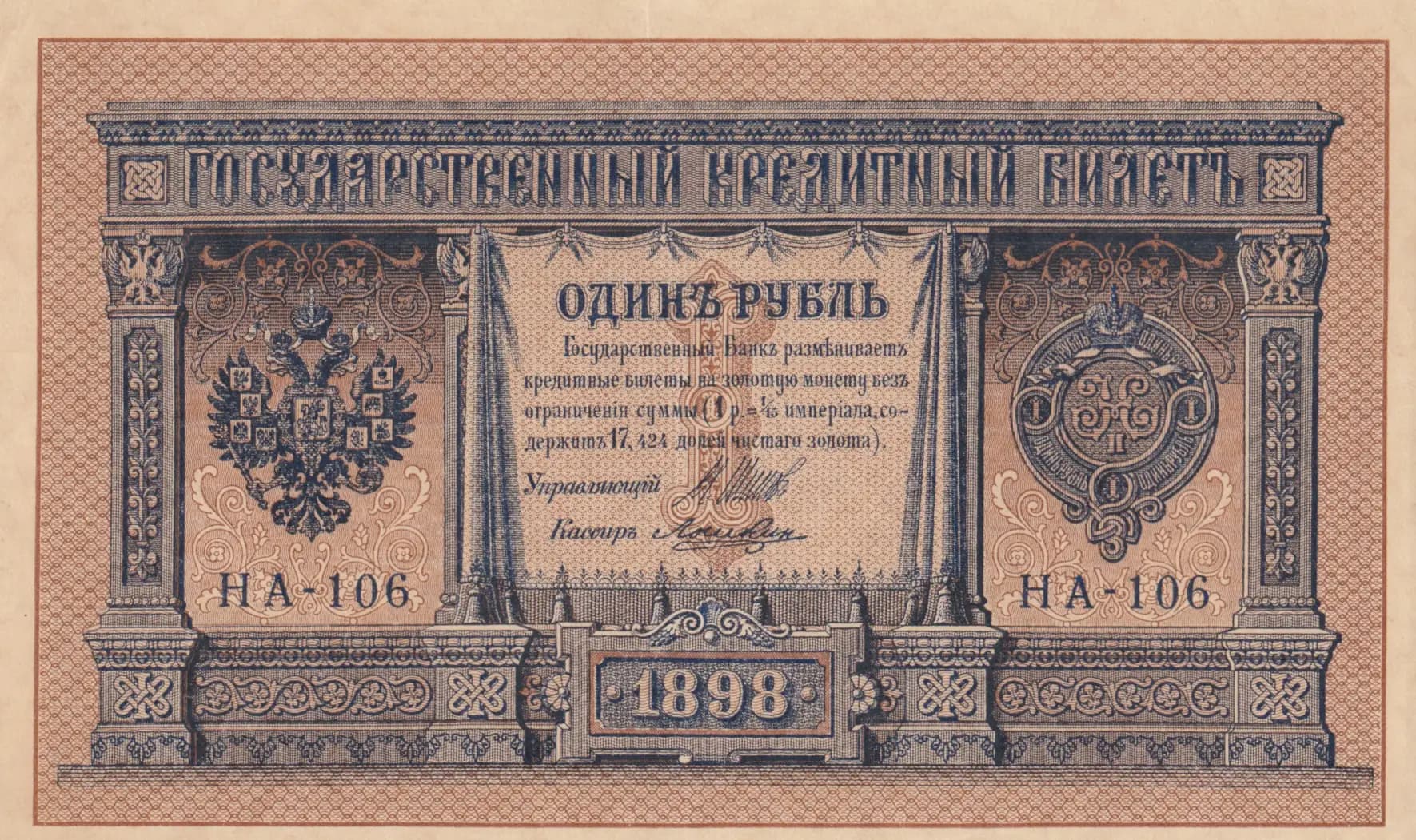
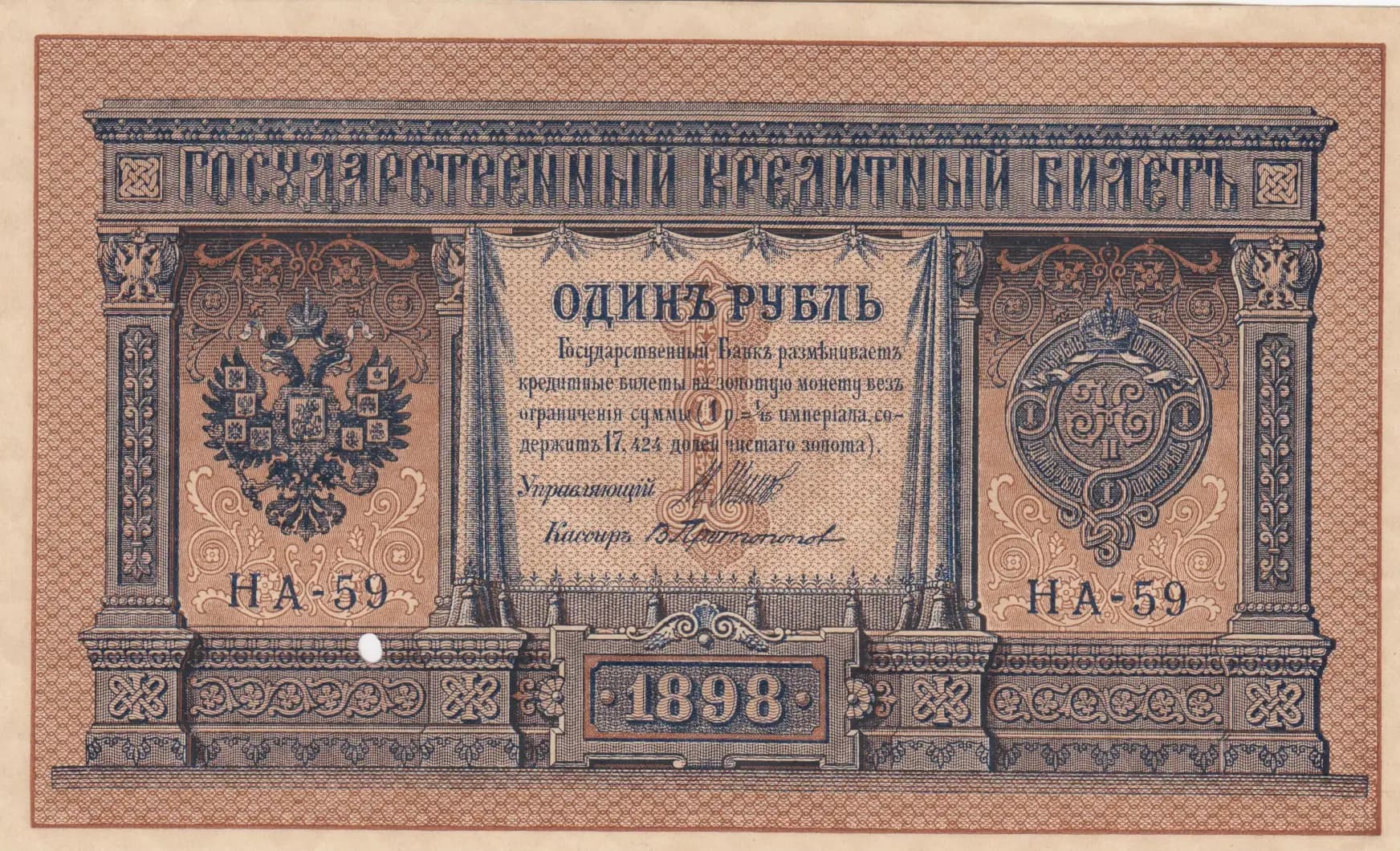
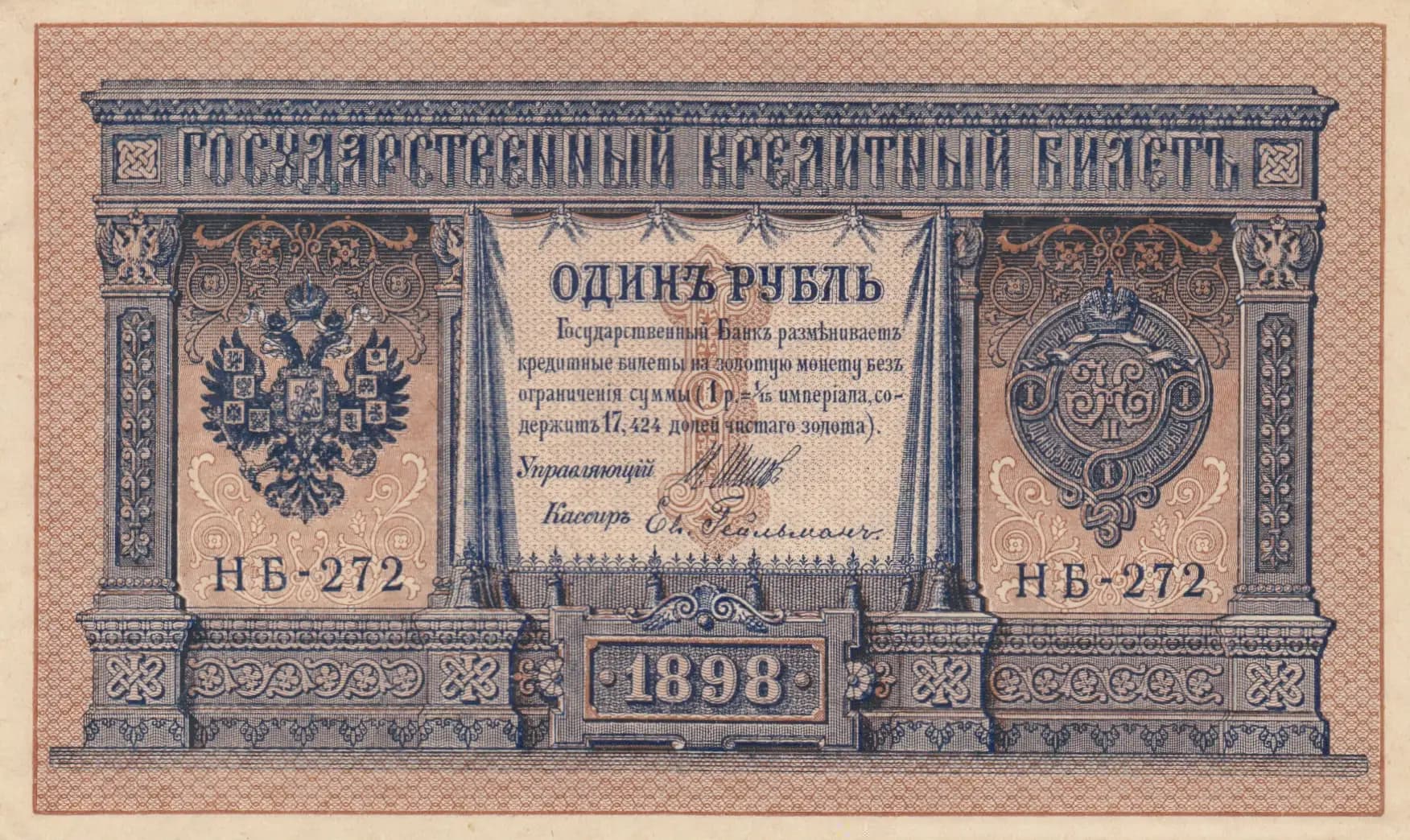
This is a Russian Imperial 1 Ruble banknote from 1915, issued by the Provisional Government during a transitional period in Russian monetary history. The note displays excellent condition with clear, crisp printing throughout despite its age, showing only moderate circulation wear including light creasing and foxing typical of early 20th-century currency. The ornate design features classical architectural elements, Imperial double-headed eagles, and intricate engraving work that exemplifies the high security standards of Imperial Russian banknotes.
Common. The 1 Ruble denomination from this Imperial series (Pick P-15 and variants) represents one of the most frequently issued denominations in circulation during the 1898-1917 period. Large print runs, decades of circulation before the Soviet era, and the relative stability of this particular design mean surviving examples are readily available in the collector market. VF-graded specimens are not scarce and trade at modest prices reflecting their common status.
Issued during 1915, this note represents Russian currency from the final years of Imperial rule under the Romanov Dynasty. The prominently displayed Imperial double-headed eagles with crowns, featured in ornamental shields on both sides, symbolized state authority and the continuity of Imperial monetary systems. The inscriptions emphasizing the State Bank's redemption of notes in gold coins reflect the gold standard backing of Russian currency, a cornerstone of Imperial financial policy that would soon collapse during the revolutionary upheaval of 1917.
This banknote features a classical Imperial Russian design centered on state authority symbolism. The front displays an ornate rectangular frame with draped theatrical curtains and fluted Corinthian or composite columns on either side, creating an architectural backdrop reminiscent of Imperial theaters or government buildings. Two Imperial double-headed eagles, each crowned and contained within ornamental shield cartouches, flank the central design space on the left and right. The reverse side showcases a large central circular medallion containing a highly detailed Imperial double-headed eagle, surrounded by concentric decorative circular bands bearing inscriptions and ornamental text. Both sides incorporate elaborate botanical elements—flowering plants and naturalistic foliage designs occupy the corners and margins. The overall color palette employs tan/beige, dark brown, and cream tones, consistent with the intaglio printing techniques and aged paper stock of the period.
FRONT SIDE: 'ГОСУДАРСТВЕННЫЙ КРЕДИТНЫЙ БИЛЕТ' (State Credit Ticket/Banknote) | 'ОДИН РУБЛЬ' (One Ruble) | 'Государственный банк размышляет кредитные билеты на помощь монету без ограничения суммы (0) в империал, содержащей 17,424 доли чистого золота' (The State Bank exchanges credit notes for help money without limit of amount in imperial, containing 17,424 parts of pure gold) | 'Управляющий' (Manager) | 'Кассир' (Cashier) | Serial number 'HA-138' | Date '1898' (original issue date). BACK SIDE: 'РУБЛЬ' (Ruble) | 'Размышляет государственный кредитные билеты на золоту монету общеупотребляемых видов достоинства Того государства' (Exchanges state credit notes for gold coins of commonly used denominations of that state) | 'Государственные кредитные билеты имеют хождение во всей Империи наравне со золотом монетою' (State credit notes are in circulation throughout the Empire on equal terms with gold currency) | 'За неопубликацию на лицевой стороне билета появляется ответственность в соответствии с законом на которую работу' (For non-publication on the front of the ticket, responsibility appears in accordance with applicable law).
This banknote was produced using intaglio engraving (steel or copper plate engraving), the standard security printing method for Imperial Russian currency. The evidence includes the characteristic fine line cross-hatching patterns, intricate detailed line work throughout the design, precise ornamental borders with repeating geometric patterns, and the exceptional clarity of the botanical and architectural imagery. The depth and quality of the engraving visible in both the eagle medallions and architectural elements are hallmarks of professional security printing houses. The State Printing Works (Государственный печатный двор) or State Bank printing facilities in St. Petersburg produced Imperial Russian banknotes during this period, though specific printer attribution for this Pick number would require documentary verification.
This specific example is cataloged as Pick P-15(2-10), indicating it belongs to the second or subsequent printing variant within the P-15 series range, with the numeral designation suggesting it falls within printing state variants 2-10. The front shows serial number 'HA-138,' where 'HA' represents the Cyrillic letter prefix typical of these notes. The 1898 date visible on the front indicates the original design date established during the Imperial reign, though this 1915 example would have been printed from the established plates. The collector notation 'Sig.Polikarpovich' likely refers to a previous owner or signature authority identified on the note. Specific varieties within Pick P-15 are typically distinguished by signature combinations of State Bank officials (Manager/Управляющий and Cashier/Кассир positions), serial number prefixes, and printing states.