10 rupees 1957
About This Note
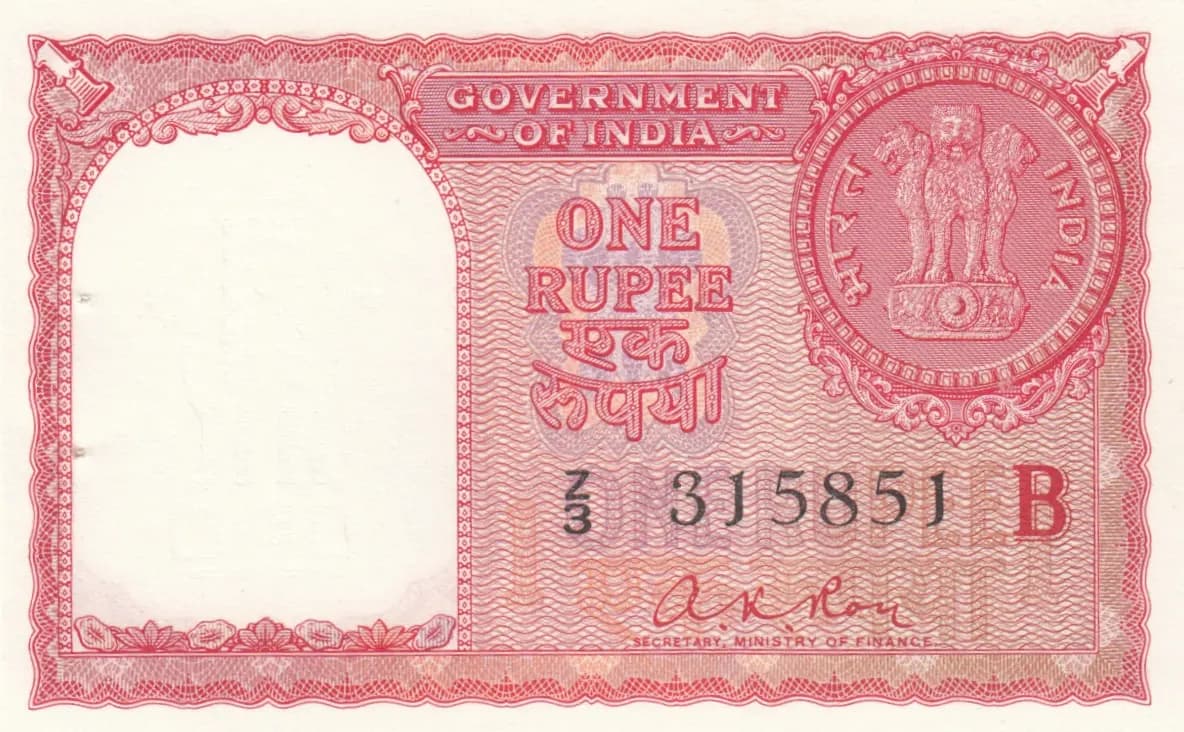
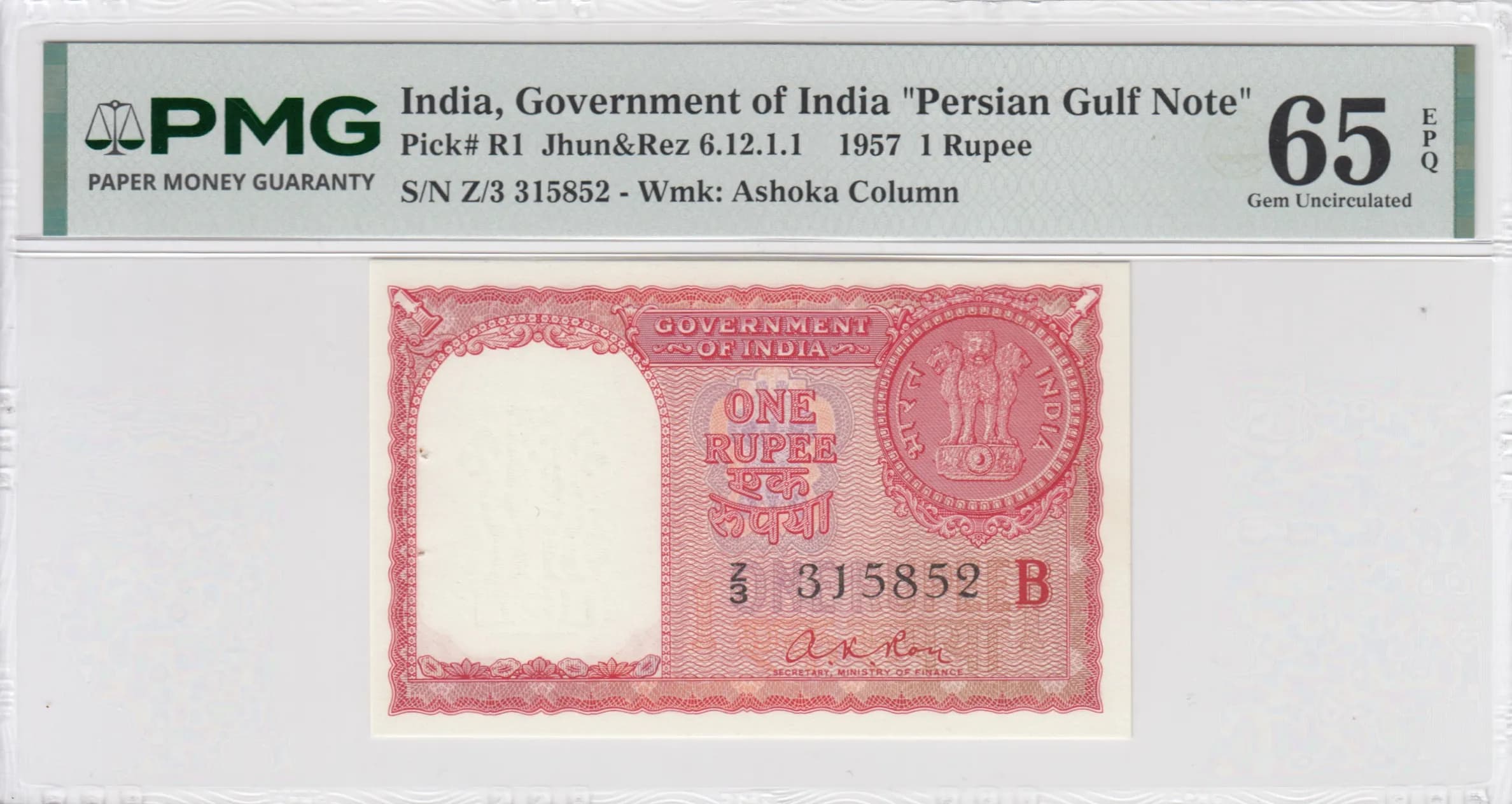
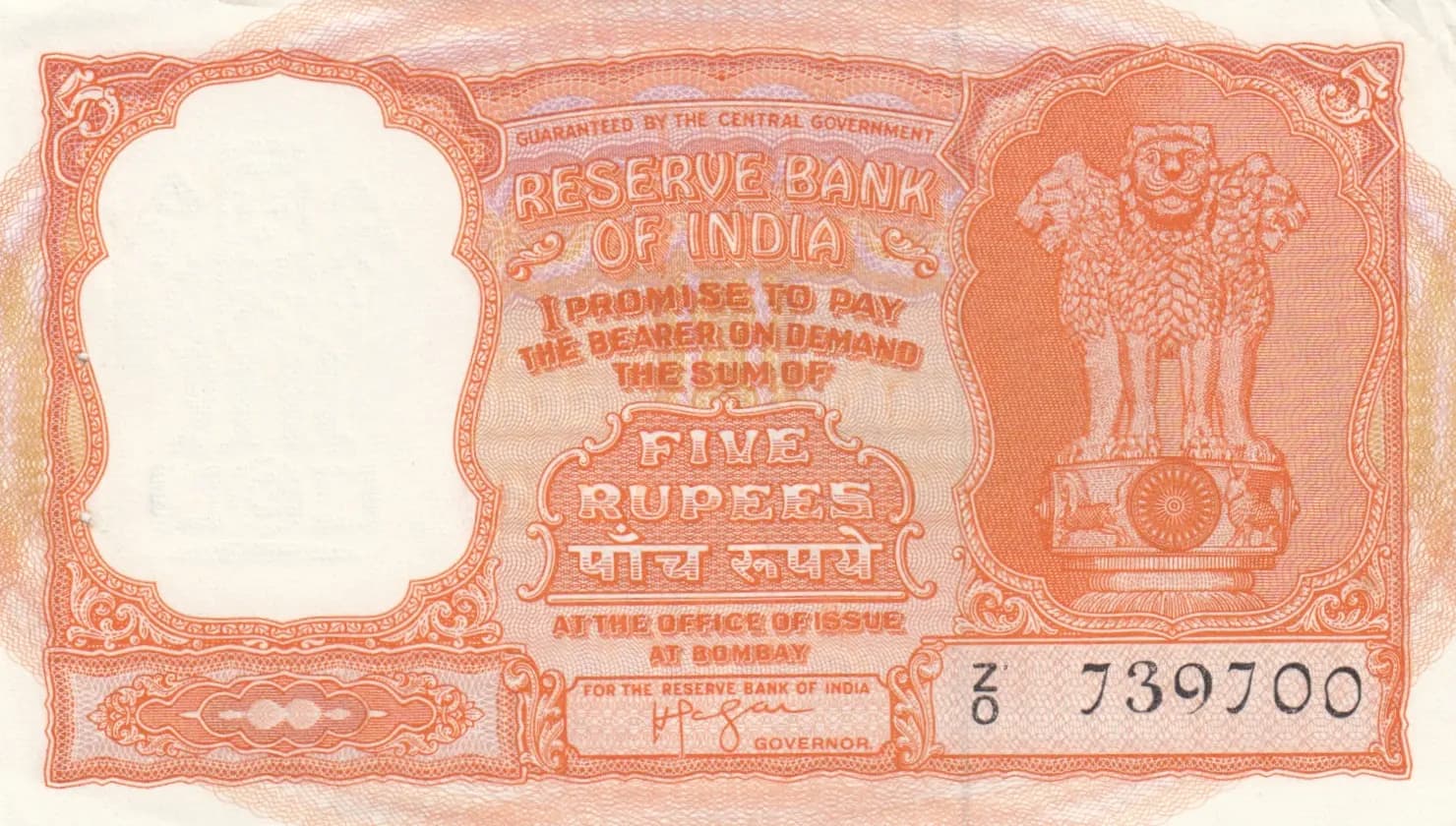
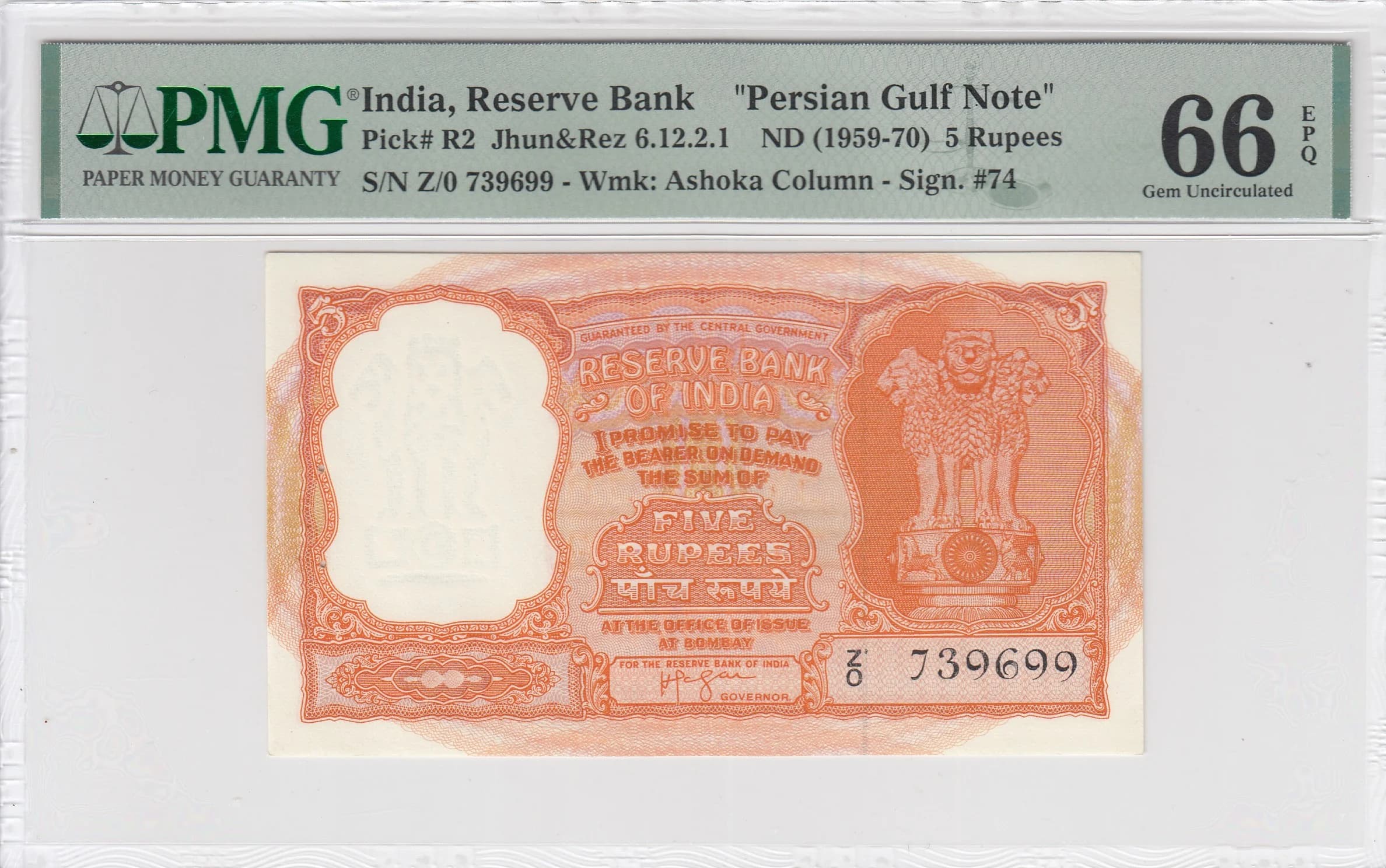
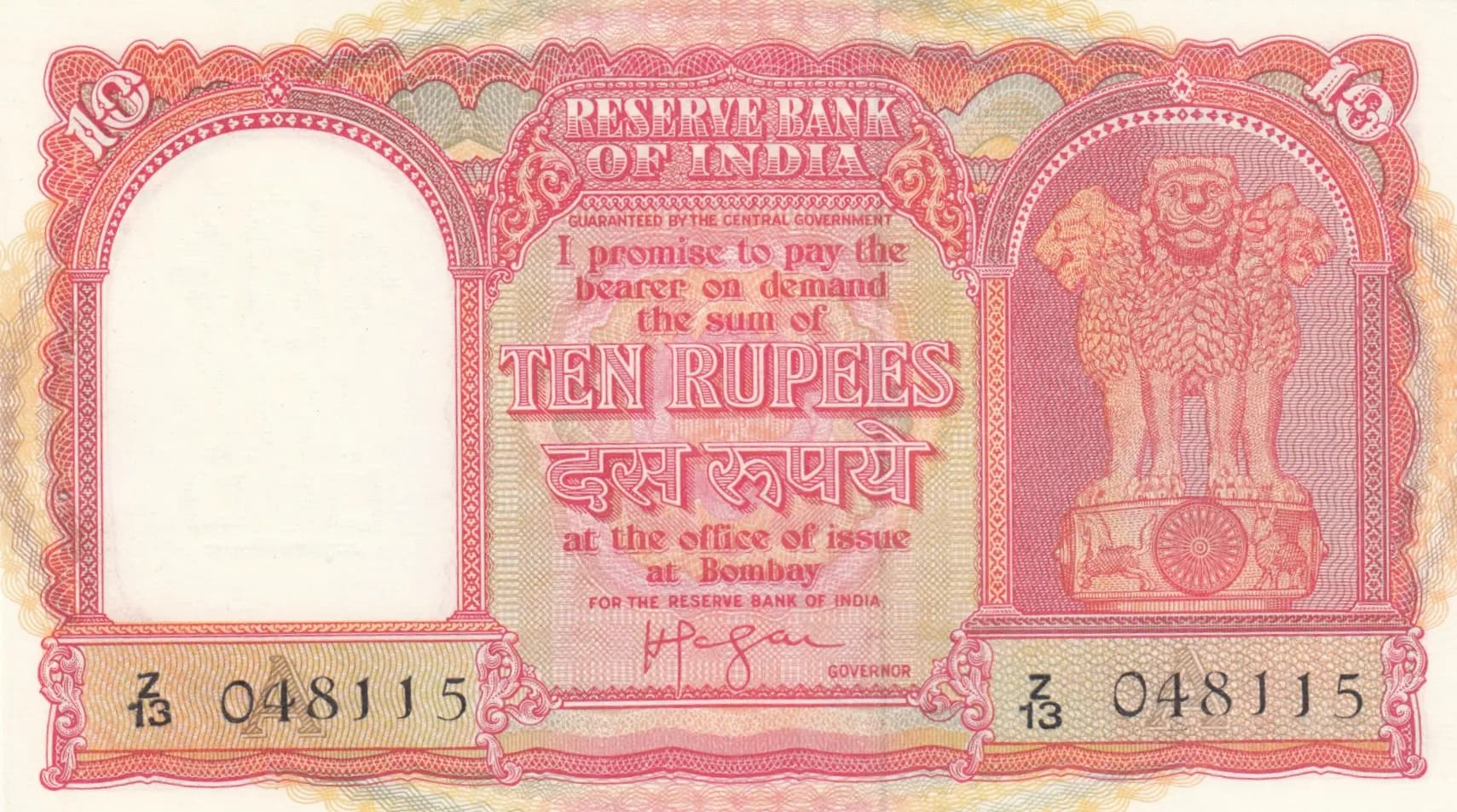
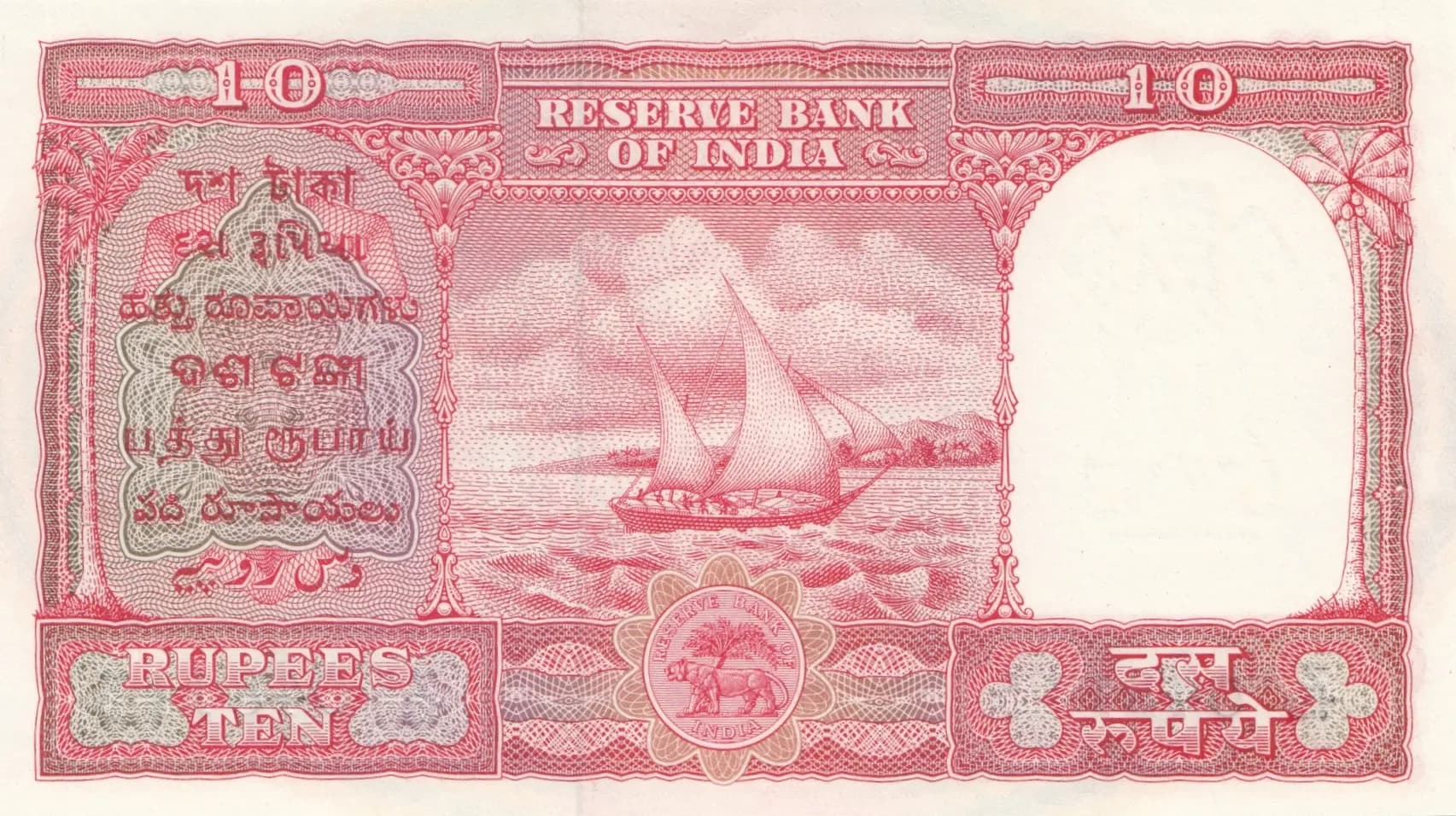
A splendid uncirculated example of India's 10 Rupees banknote from 1957, featuring the iconic Ashoka Pillar emblem on the obverse and a traditional sailing vessel on the reverse. The note displays sharp, crisp printing throughout with no signs of wear, creases, or handling, exemplifying the high-quality currency design of India's early post-independence period. The bilingual English-Hindi inscriptions and ornate pink/red color scheme reflect India's commitment to national identity and accessibility across linguistic communities during this formative era.
Common. The 1957 10 Rupees note (Pick R3) was issued in substantial quantities as a standard-denomination circulating currency of the early Indian republic. No historical evidence suggests a limited print run, recall, or special scarcity for this denomination and issue year. While uncirculated examples are more desirable than circulated specimens, they remain readily available in the collector market at modest valuations typical of mid-20th century Indian banknotes.
Issued in 1957, just ten years after Indian independence, this banknote represents the Reserve Bank of India's early currency designs under the newly sovereign nation. The prominent Ashoka Pillar—featuring four lions and the dharma wheel—symbolizes India's connection to ancient Buddhist heritage and serves as the national emblem of the Indian republic. The sailing vessel depicted on the reverse evokes India's rich maritime trading heritage, particularly the dhow-based commerce that connected India to the Persian Gulf and East Africa, regions referenced in this note's catalog designation.
The obverse features a classic central vignette layout with the official Ashoka Pillar emblem (four lions seated back-to-back with the dharma chakra wheel below) positioned on the right side, representing the sovereign authority of the Indian state. The left side contains a large circular watermark area characteristic of high-security banknote design of this era. The reverse depicts a traditional Indian sailing dhow or coastal trading vessel with two full sails, rendered in fine engraved detail and set upon stylized ocean waves, symbolizing India's maritime heritage. A circular heraldic seal containing a lion and palm tree emblem appears at the bottom center of the reverse. Both sides are framed by ornate decorative borders featuring intricate geometric and floral patterns with scalloped edges, rendered in the pink and red color palette that defines this issue. The bilingual presentation in English and Devanagari Hindi reflects post-independence India's linguistic pluralism.
FRONT SIDE: 'Reserve Bank of India' (English), 'Guaranteed by the Central Government' (English), 'I promise to pay the bearer on demand the sum of' (English), 'Ten Rupees' (English), 'दश रुपये' (Hindi: Ten Rupees), 'at the office of issue at Bombay' (English), 'For the Reserve Bank of India' (English), 'Governor' (English), serial number Z13 048115. BACK SIDE: 'Reserve Bank of India' (English), 'दस रुपये' (Hindi: Ten Rupees), 'Rupees Ten' (English), '₹दस' (Hindi Devanagari with rupee symbol: Ten Rupees), 'India' (English), denomination '10' appears on both sides.
Intaglio (steel engraving) printing, evidenced by the fine line work, sharp details, and consistent impression quality visible throughout. The ornamental borders, security patterns, and portrait/emblem details all display the characteristic precision of engraved currency production. This note was produced by the Government of India Security Press (GISP), which was responsible for RBI currency production during this period.
The observed specimen carries serial number Z13 048115, with the 'Z13' prefix indicating a specific printing batch from the Bombay office of issue. The Governor's signature on this note would correspond to the RBI Governor serving in 1957 (Bimal Jalan or his predecessor), which is a standard variety marker for Indian banknotes of this era. No significant overprints, color varieties, or error characteristics are apparent in this example, making it a standard variety of the Pick R3 denomination.