1 pound 1981
About This Note
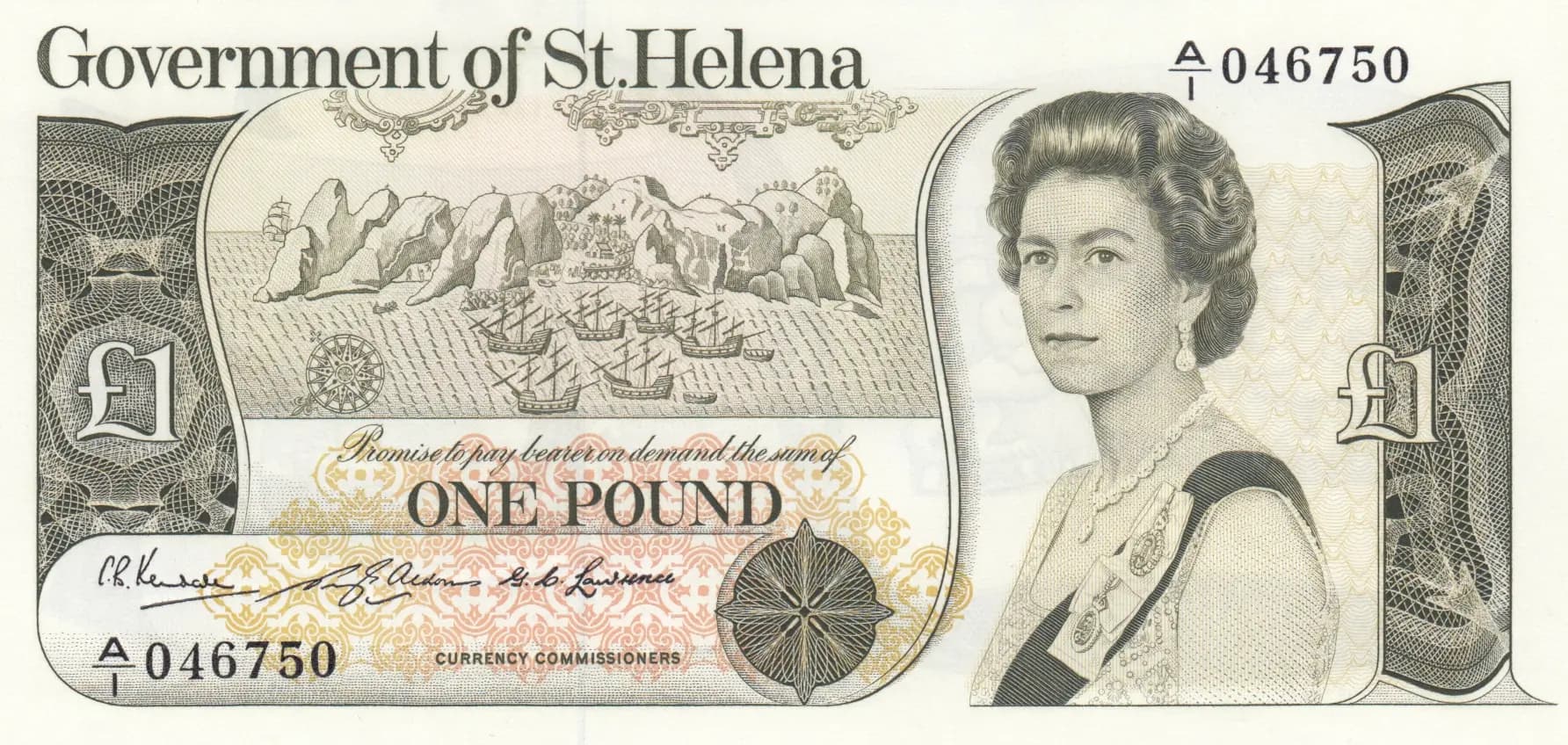
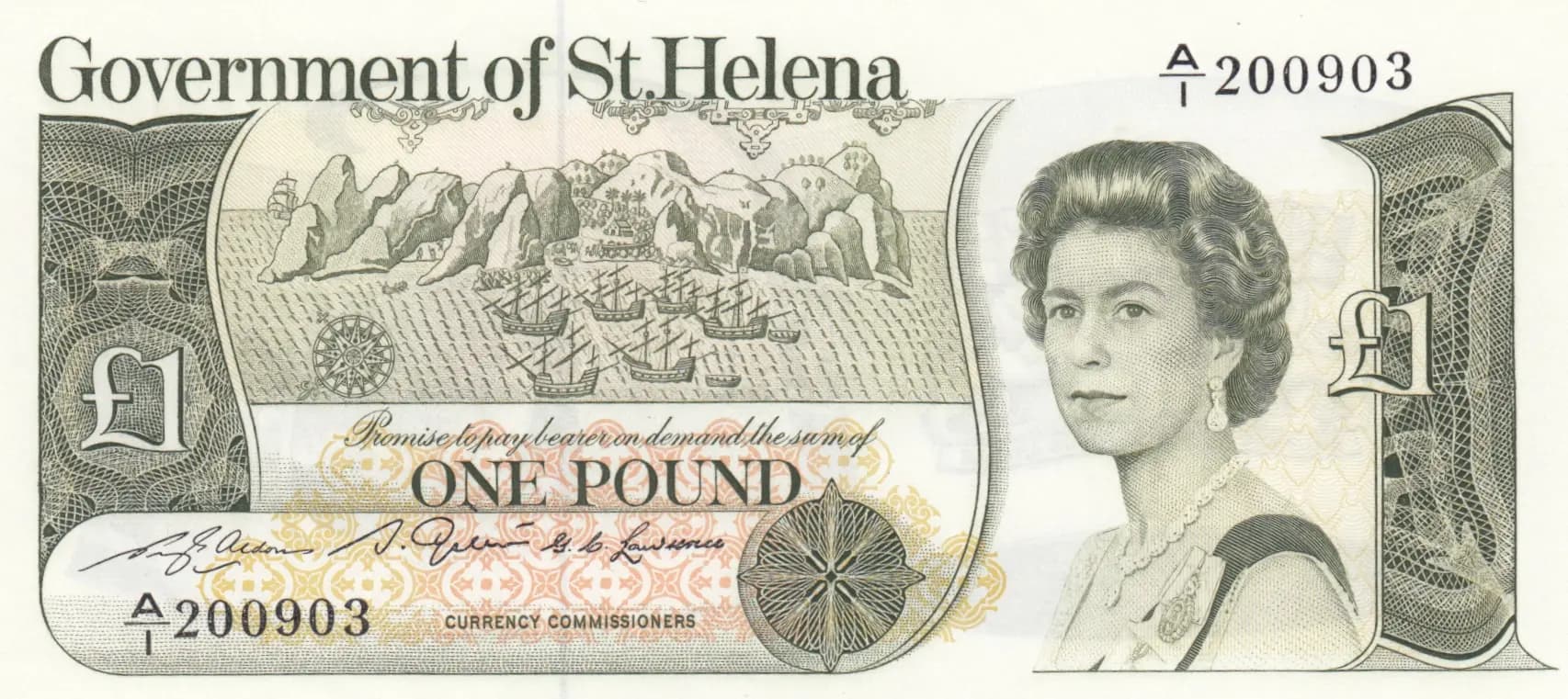
An exceptional example of the 1981 Saint Helena £1 note (Pick-9) in uncirculated condition, featuring a striking portrait of Queen Elizabeth II on the obverse and the territorial coat of arms on the reverse. The note displays pristine paper quality with sharp, detailed engraving throughout, showcasing the fine security printing characteristic of this Commonwealth issue. This early Saint Helena currency note represents an important piece of the island territory's numismatic history during the post-colonial period.
Common. The Saint Helena £1 note from 1981 (Pick-9) remains readily available in the collector market. As a standard-issue denomination for a functional currency in regular circulation for decades, print runs were substantial. Notes in uncirculated condition are not scarce, as many were preserved by collectors and in institutional holdings. No evidence of limited printings, recalls, or short-lived status exists for this issue. The note's accessibility in UNC grade reflects its common status despite its geographical origin from a remote territory.
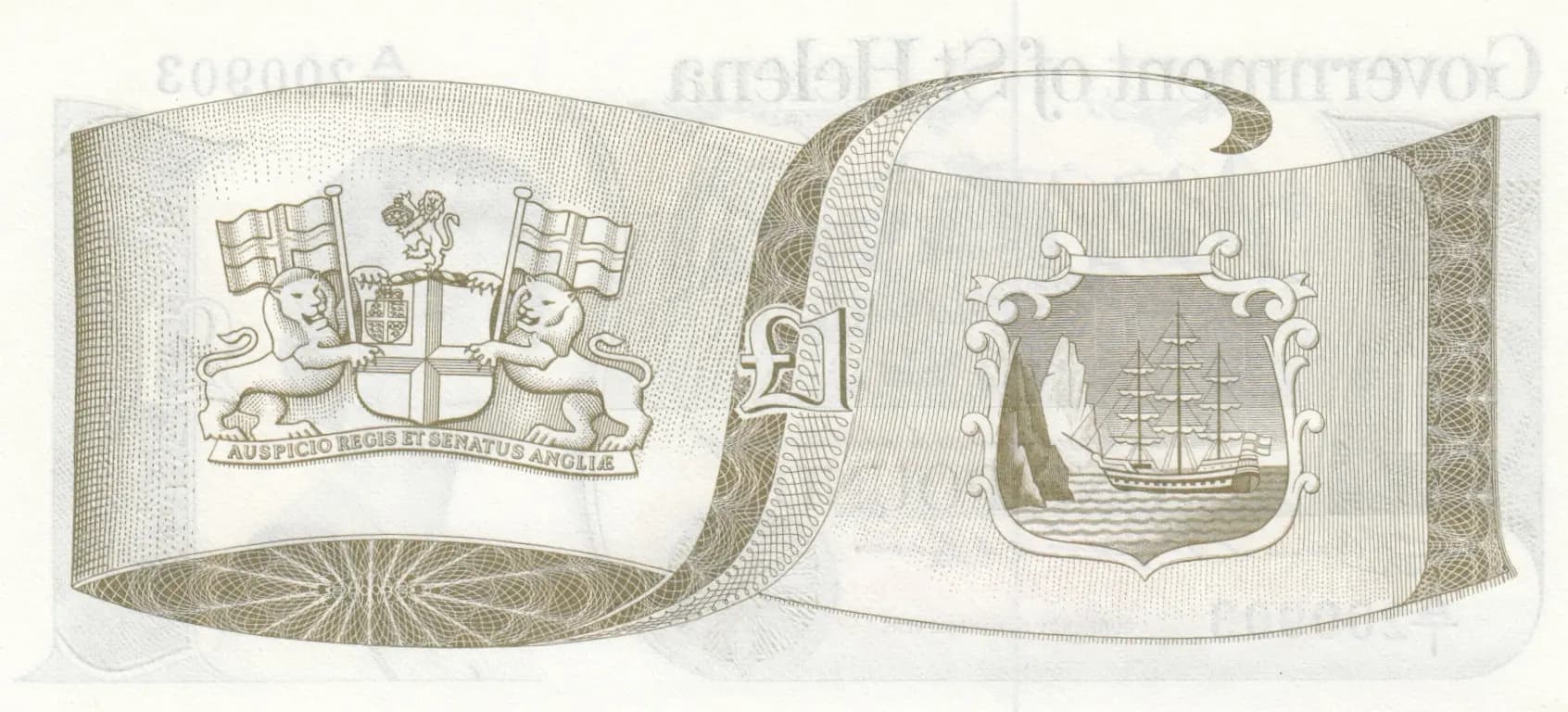
Issued in 1981 by the Government of Saint Helena during a period of increasing autonomy for the remote South Atlantic territory, this banknote reflects the island's maritime heritage through its depictions of historic sailing vessels and fortified coastal settlements. The heraldic imagery, including the coat of arms with supporting lions and the Latin motto 'Auspicio Regis et Status Angliae,' emphasizes Saint Helena's enduring ties to the British Crown and its strategic importance as a former naval station. The prominent display of Queen Elizabeth II's portrait underscores the currency's status as Commonwealth money during the height of the modern British Empire's influence.
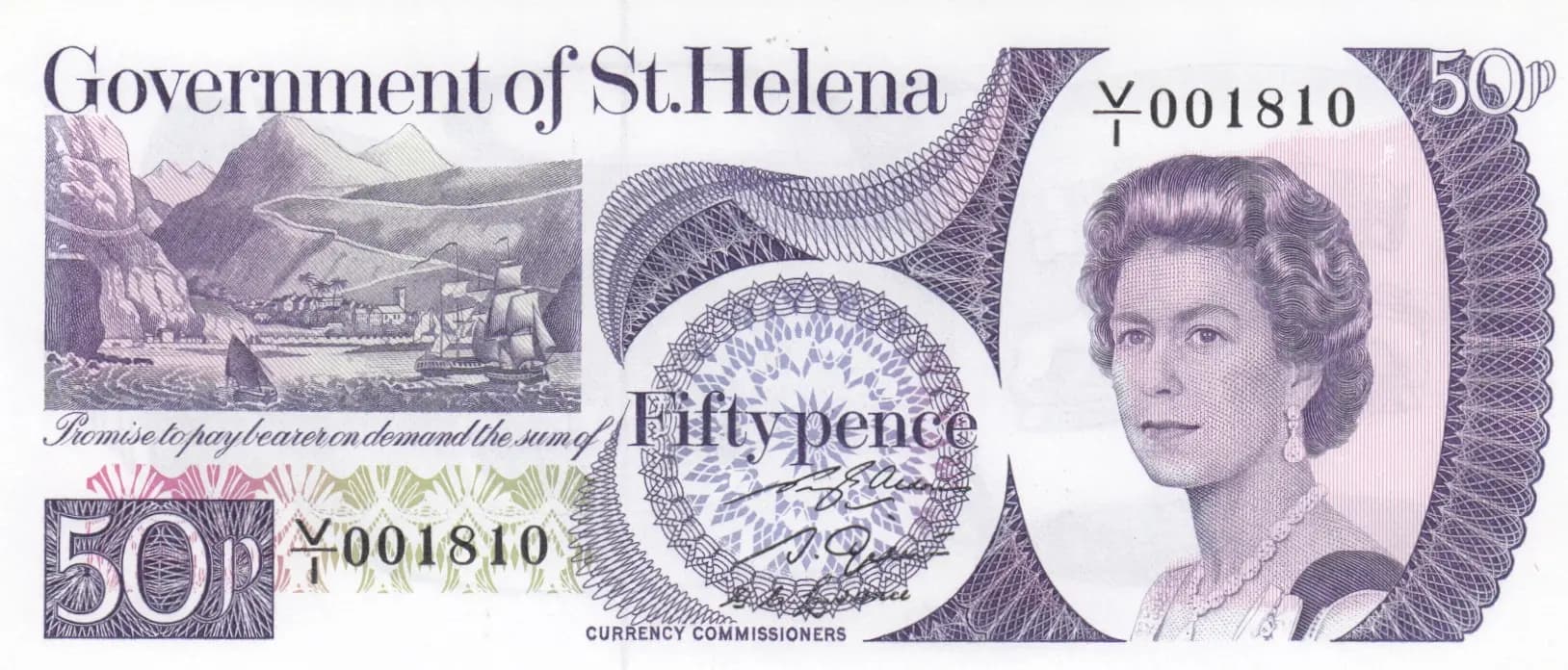
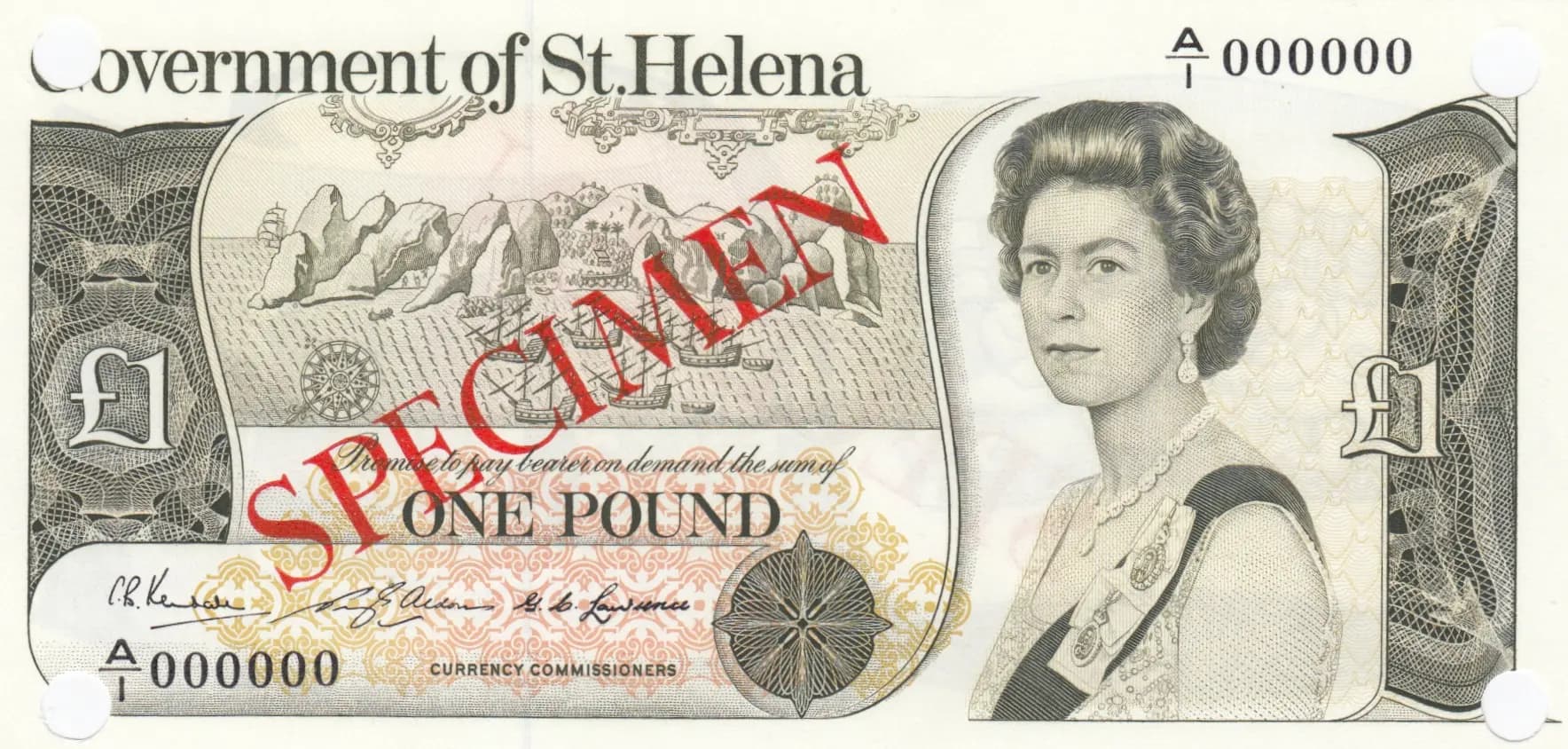
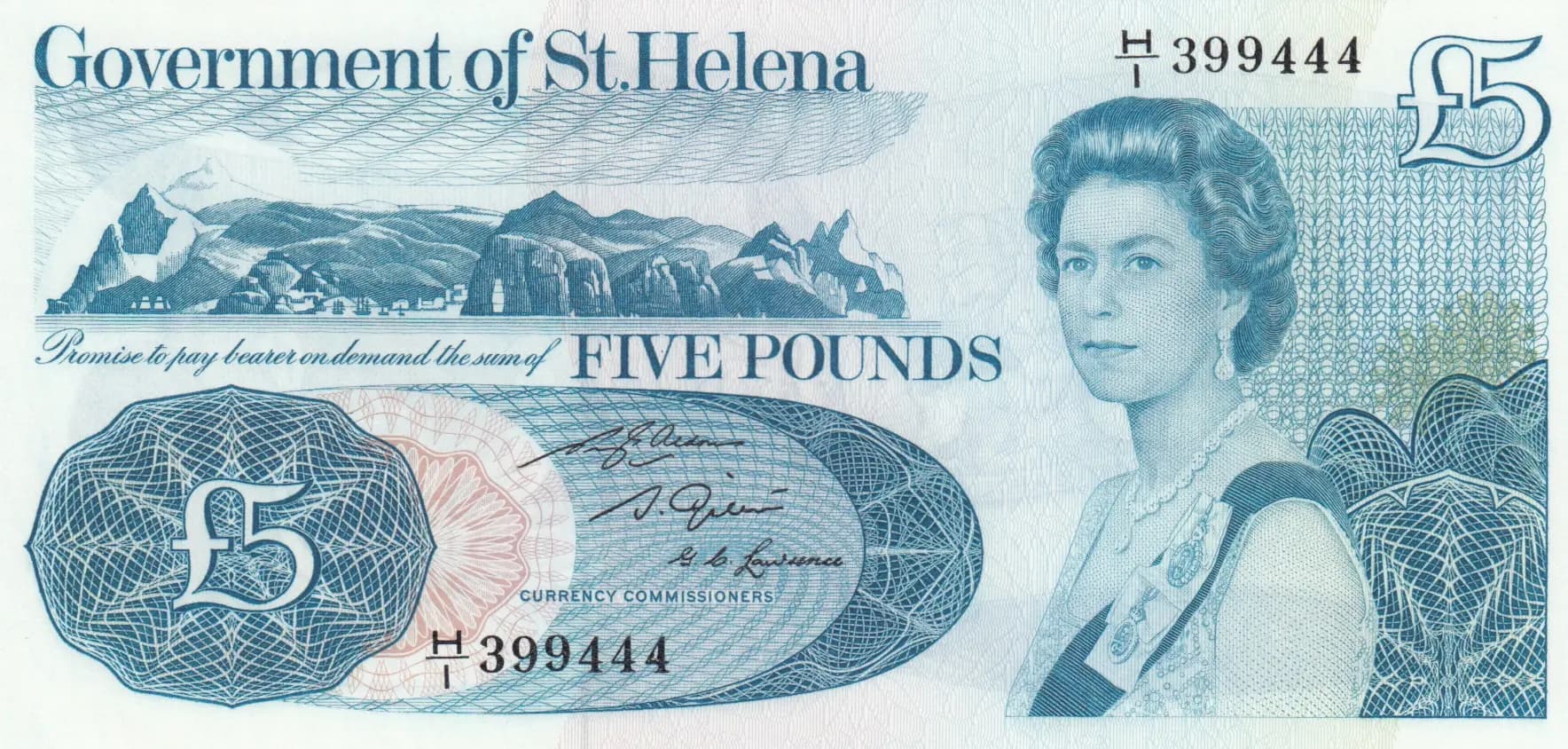
The obverse features a formal portrait of Queen Elizabeth II positioned on the right side in regal dress with styled hair, characteristic of Commonwealth currency portraiture from this era. The central vignette depicts a historically accurate maritime scene showing Saint Helena's Jamestown settlement with multiple three-masted sailing ships anchored in the harbor and the island's distinctive rocky coastline with fortifications visible. Ornate decorative borders with geometric rosette and floral motifs frame the composition. The reverse displays the complete coat of arms of Saint Helena with two heraldic lions as supporters holding British flags, a quartered shield at the center, and a crowned apex, positioned on the left side. The right reverse features another maritime vignette with a three-masted sailing vessel in calm waters. Both sides are bordered by fine geometric patterns and denomination symbols, emphasizing the note's formal, official character.
Front Side: 'Government of St. Helena' (issuing authority); 'Promise to pay the bearer on demand the sum of ONE POUND' (legal tender declaration); 'CURRENCY COMMISSIONERS' (authorizing body); Serial number 'A 200903'. Back Side: 'AUSPICIO REGIS ET SATUS ANGLIAE' (Latin: 'By the Favor of the King and the Ancient Law of England' — the territorial motto); Denomination markings '£1'.
Intaglio engraving (recess printing), the traditional and premium method for banknote production. The extensive fine-line detail work, intricate cross-hatching, geometric background patterns, and complex heraldic rendering are characteristic of high-security intaglio printing. This technique was standard for Commonwealth banknotes of this period, likely produced by Thomas De La Rue or a similar established British security printer specializing in Commonwealth currency.
This example displays serial number A 200903, indicating it is from the primary printing run. According to PMG cataloging data, three varieties exist for Pick-9: P-9a (Signature #2 variant), P-9r (Remainder notes without signatures), and P-9s (unsigned or special issue notes). The observed note with visible signatures and standard serial numbering appears to be the P-9a variety (signed issue). The reverse inscription correctly displays the Latin word as 'ANGLIAE' rather than the erroneous 'ANGLI' found on earlier Pick-6 issues, representing a printing correction acknowledged in the catalog data.