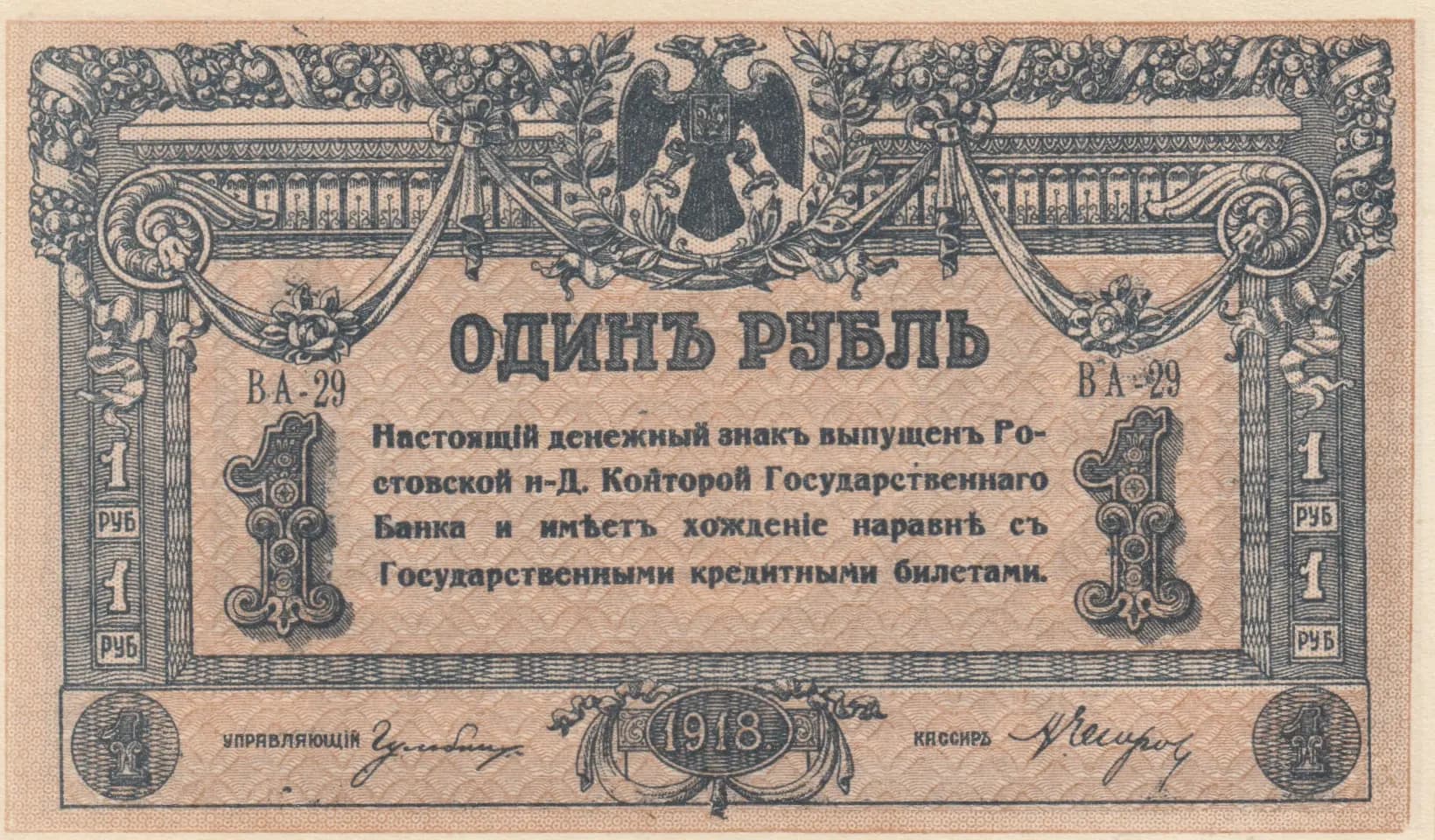
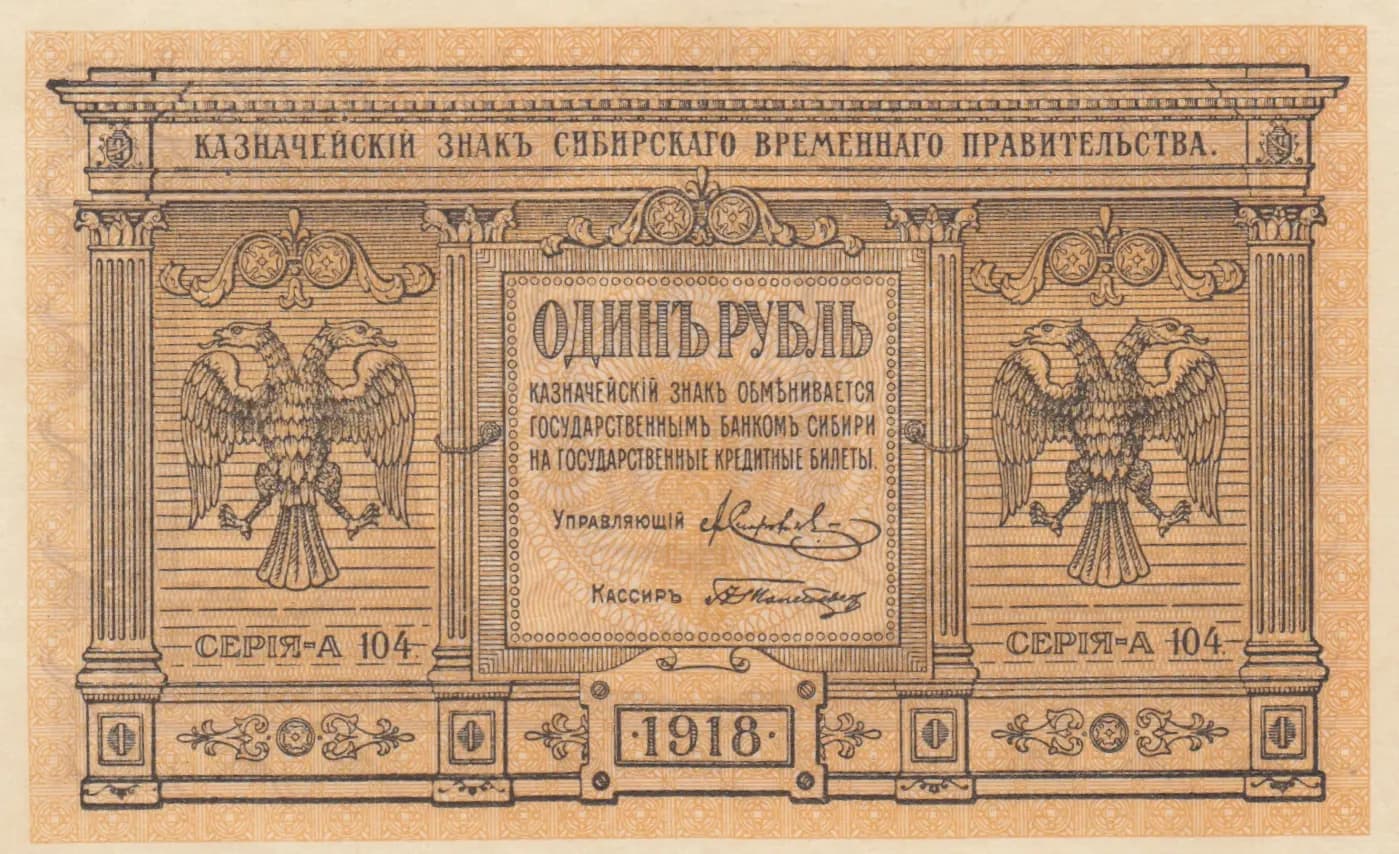
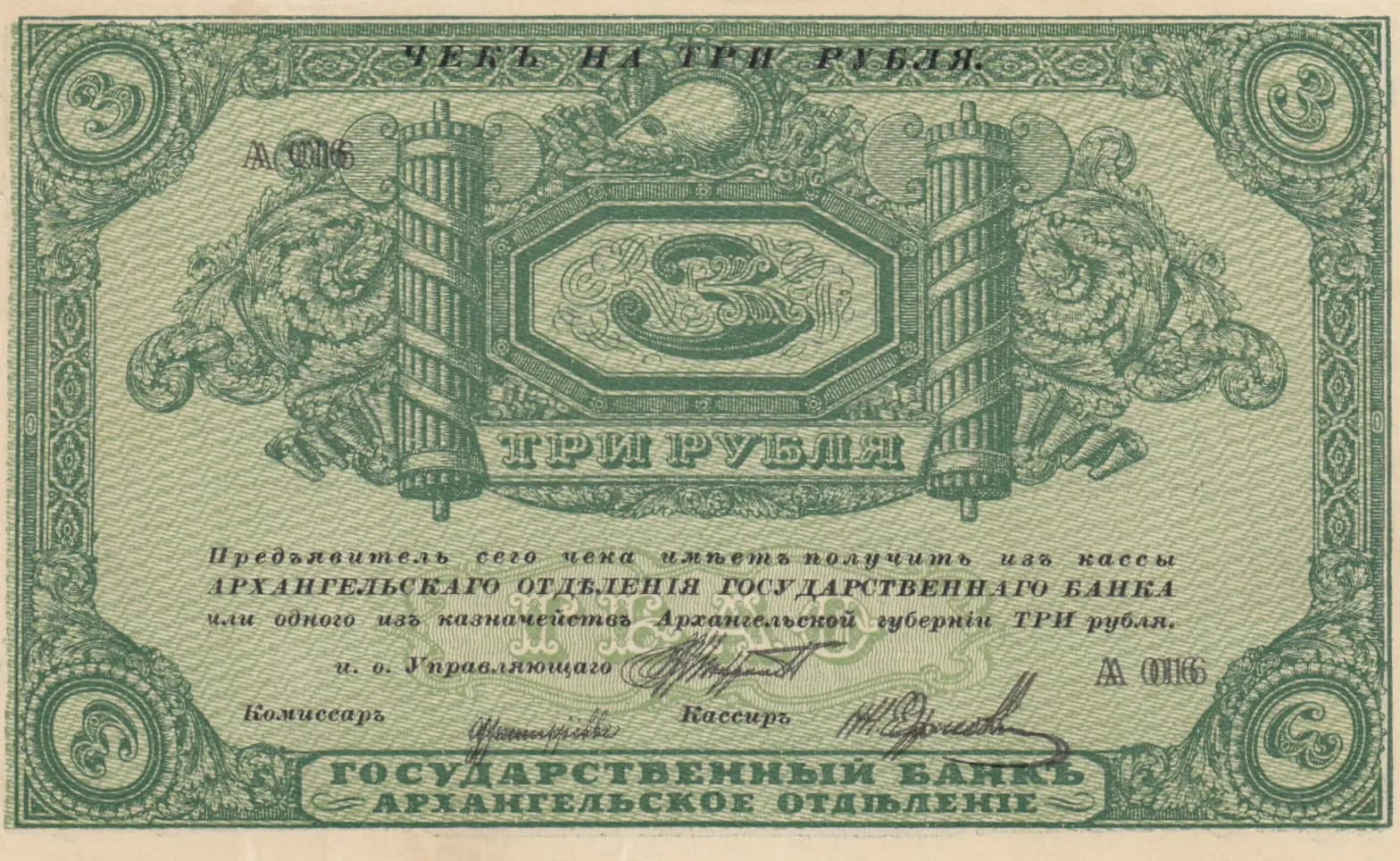
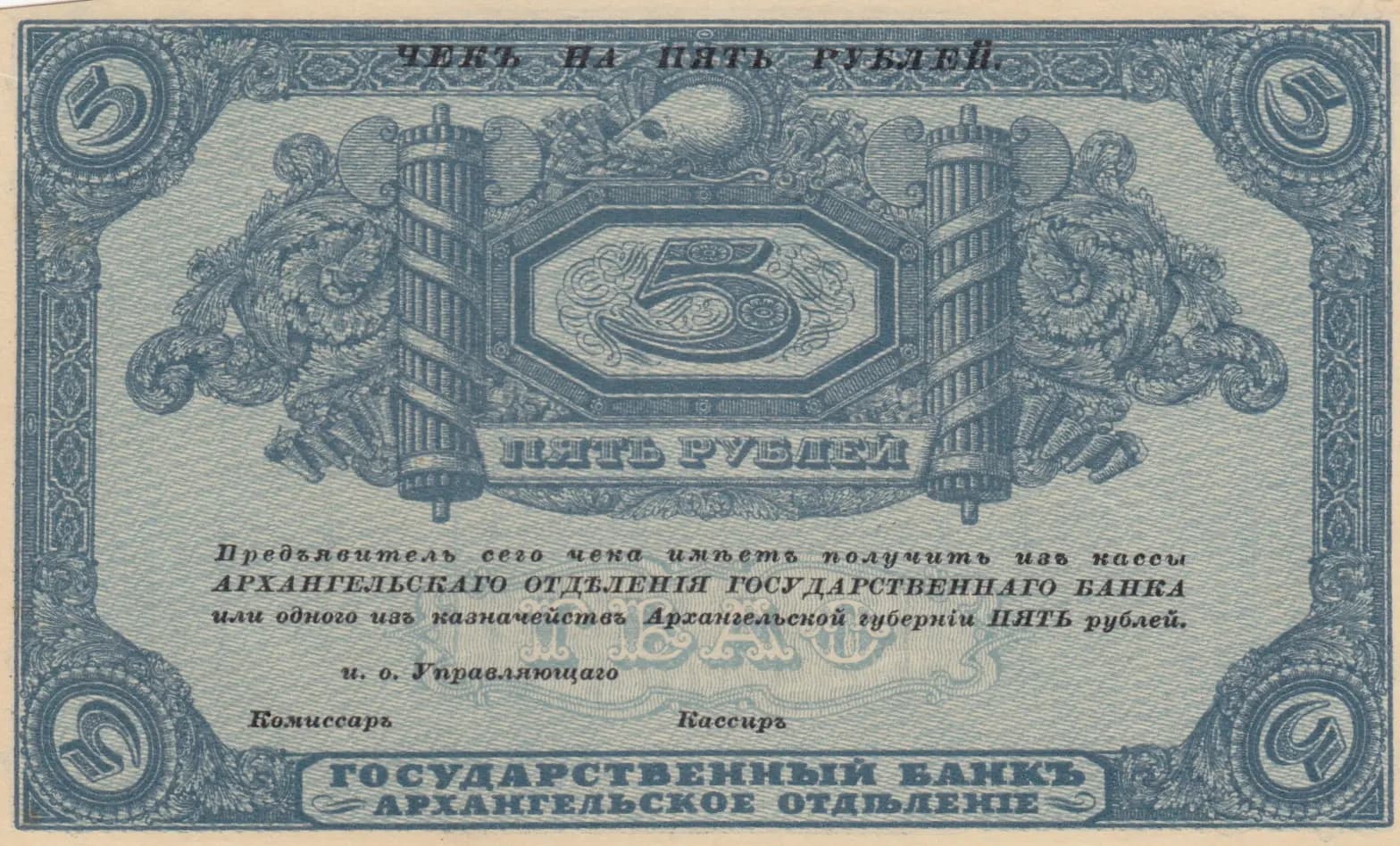
1 rubel 1918
About This Note
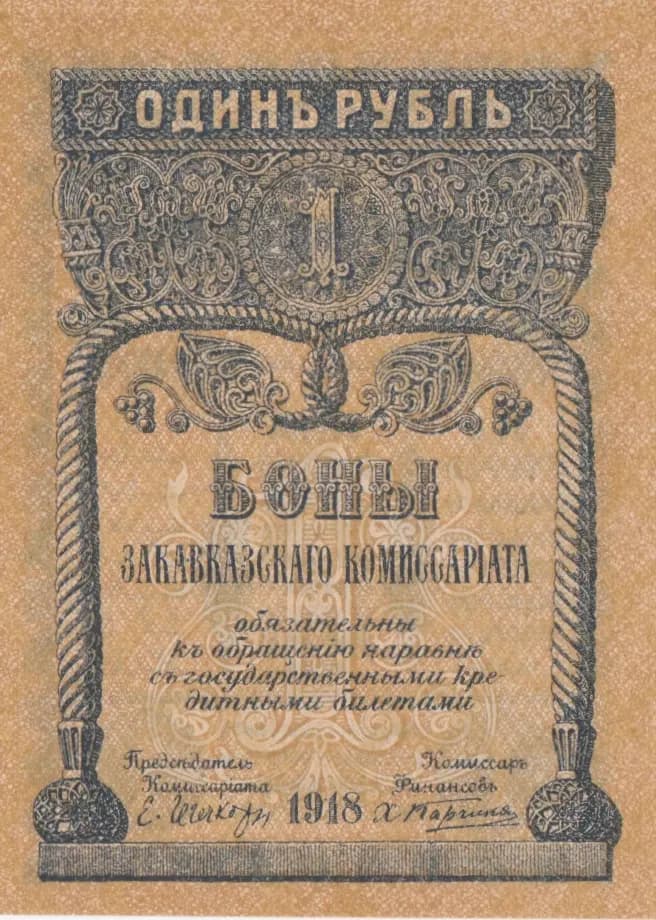
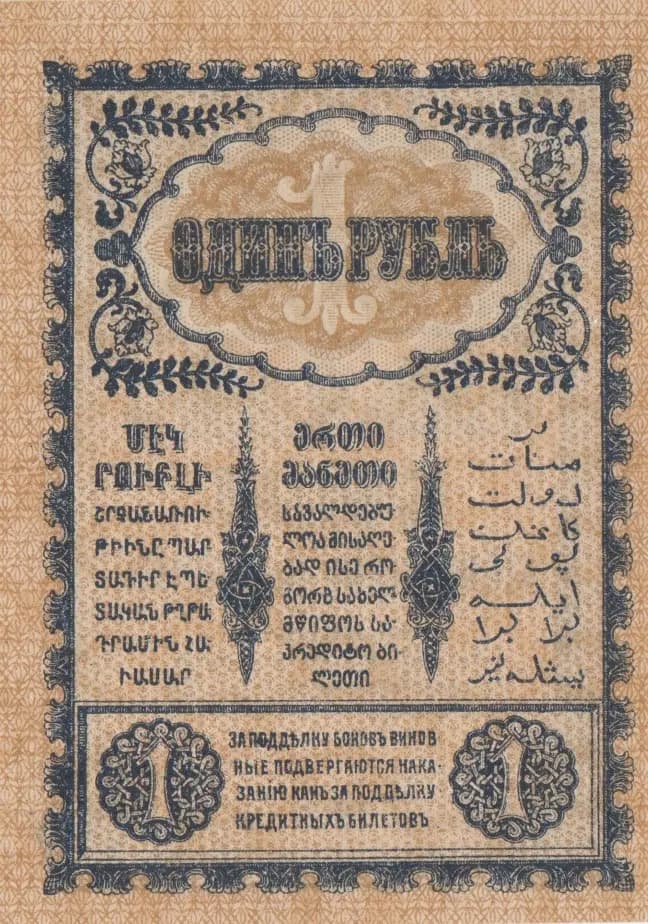
This is an exceptional UNC example of the 1918 Transcaucasian Commissariat 1 Ruble note (Pick P-S601), featuring the distinctive multilingual design characteristic of this historically significant regional issue. The note displays crisp ornamental borders, intricate scrollwork, and remarkably preserved paper with only minor age-appropriate foxing, making it an outstanding specimen of early Soviet-era Caucasian currency. The multilingual inscriptions in Russian, Armenian, Georgian, and Arabic script reflect the diverse population of the Zakavkazian region during this turbulent transitional period.
Common. While the Transcaucasian Commissariat had a very brief operational period (March-May 1918), its banknote issues appear with reasonable frequency in the market, particularly in lower denominations such as the 1 Ruble. These notes were produced in sufficient quantities for circulation within the region and have survived in moderate numbers. UNC examples command premiums over circulated grades, but the note itself is not scarce. No evidence of extremely limited print runs or widespread recall/destruction affecting survivor populations.
Issued in March 1918 by the Transcaucasian Commissariat during the Russian Civil War, this note represents a brief regional monetary authority that existed as Russia's former territories sought independence following the Bolshevik Revolution. The multilingual text on the reverse—rendered in Russian, Armenian, Georgian, and Arabic—underscores the cosmopolitan nature of the Caucasus region and the commissariat's attempt to establish legitimacy across diverse ethnic and cultural populations. Signed by Chairman S. Shaumyan and Commissar Rikchasov, this note is a tangible artifact of a short-lived political entity that would cease operations within months.
This note employs a classical ornamental design typical of pre-Revolutionary Russian banknote aesthetics, adapted for regional use. The obverse features a prominent central roundel containing the numeral '1' surrounded by elaborate floral and scrollwork patterns in the corners and borders, with rope-like framing that frames the entire composition. The reverse presents a more complex layout with a large ornate cartouche displaying the denomination in the center, flanked by vertical text columns in four scripts (Russian, Armenian, Georgian, and Arabic/Persian), reflecting the multinational composition of the Transcaucasian Commissariat's territory. Two stylized tower or minaret-like ornamental elements emphasize the regional cultural context, while decorative medallions with numerals appear at the bottom of the reverse. The consistent use of tan and beige paper stock with dark gray and brown printing creates strong contrast and visual hierarchy.
FRONT SIDE: 'ОДИН РУБЛЬ' (One Ruble) / 'БОНЫ ЗАКАВКАЗСКОГО КОМИССАРИАТА' (Bonds of the Transcaucasian Commissariat) / 'обязательны к обращению наравне с государственными кредитными билетами' (legally required to circulate at par with state credit notes) / 'Председатель' (Chairman) / 'Комиссар' (Commissar) / 'С. Шаумян' (S. Shaumyan) / 'Рикчасов' (Rikchasov) / '1918 г. Март' (1918 March). REVERSE SIDE: 'ОДИН РУБЛЬ' (One Ruble) / 'ՀԱՅ ՏՈՌԱ ՄԵԿԸ' (One Ruble in Armenian) / 'ერთი რუბლი' (One Ruble in Georgian) / 'یک روبل' (One Ruble in Persian/Arabic) / Counterfeiting warning clause regarding punishment under law for credit note forgery.
Letterpress (typographic) printing combined with ornamental engraving elements, employing a two-color printing technique with darker text and borders on the lighter paper stock. The intricate border patterns, scrollwork, and ornamental roundels show characteristics of intaglio engraving used for the decorative elements, while the text appears to be set in movable type. The multilingual reverse, particularly the integration of non-Latin scripts (Armenian, Georgian, Arabic), suggests skilled compositors experienced in setting multiple writing systems. No specific security printer attribution is documented in standard catalogs for this Transcaucasian Commissariat issue.
This specific example is dated March 1918 and bears the signatures of Chairman S. Shaumyan and Commissar Rikchasov. The multilingual reverse with Russian, Armenian, Georgian, and Arabic inscriptions is standard for the Pick P-S601 denomination. Serial number information is not visible in the provided images, so specific serial number variety cannot be determined. Known variants of Transcaucasian issues may include signature variations and minor text differences, but this example represents the standard commemorative printing of the 1 Ruble denomination.