3 leva 1951
Market Prices
20 salesAbout This Note
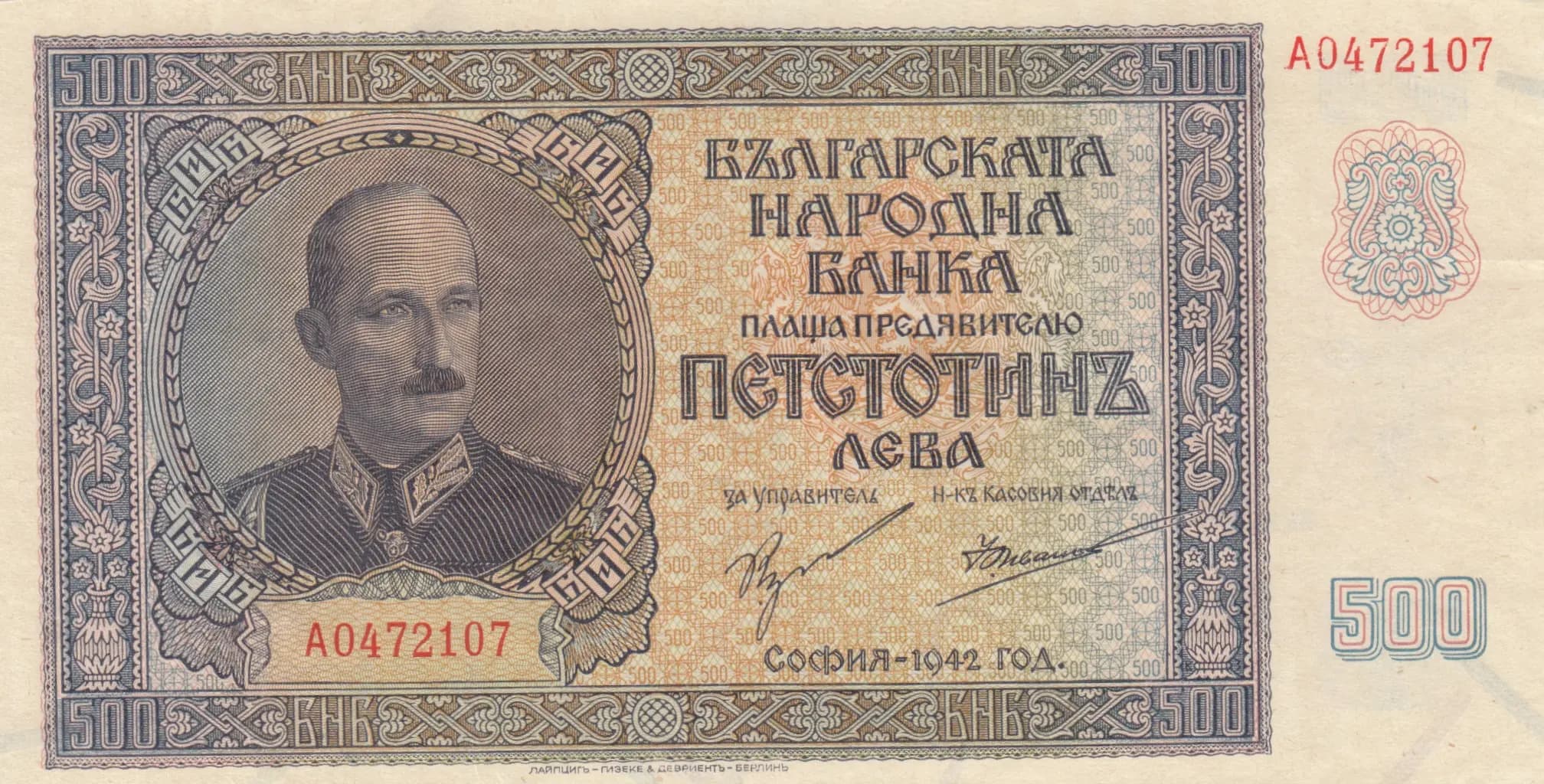
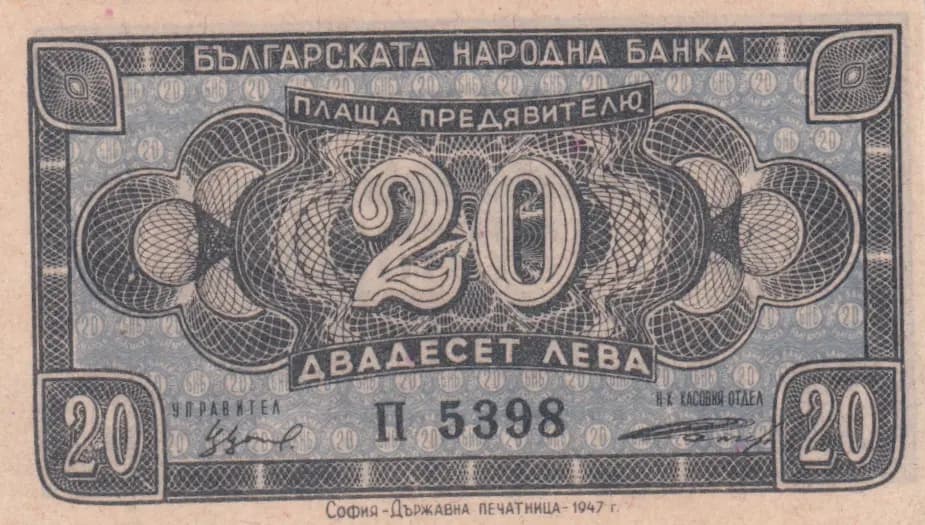
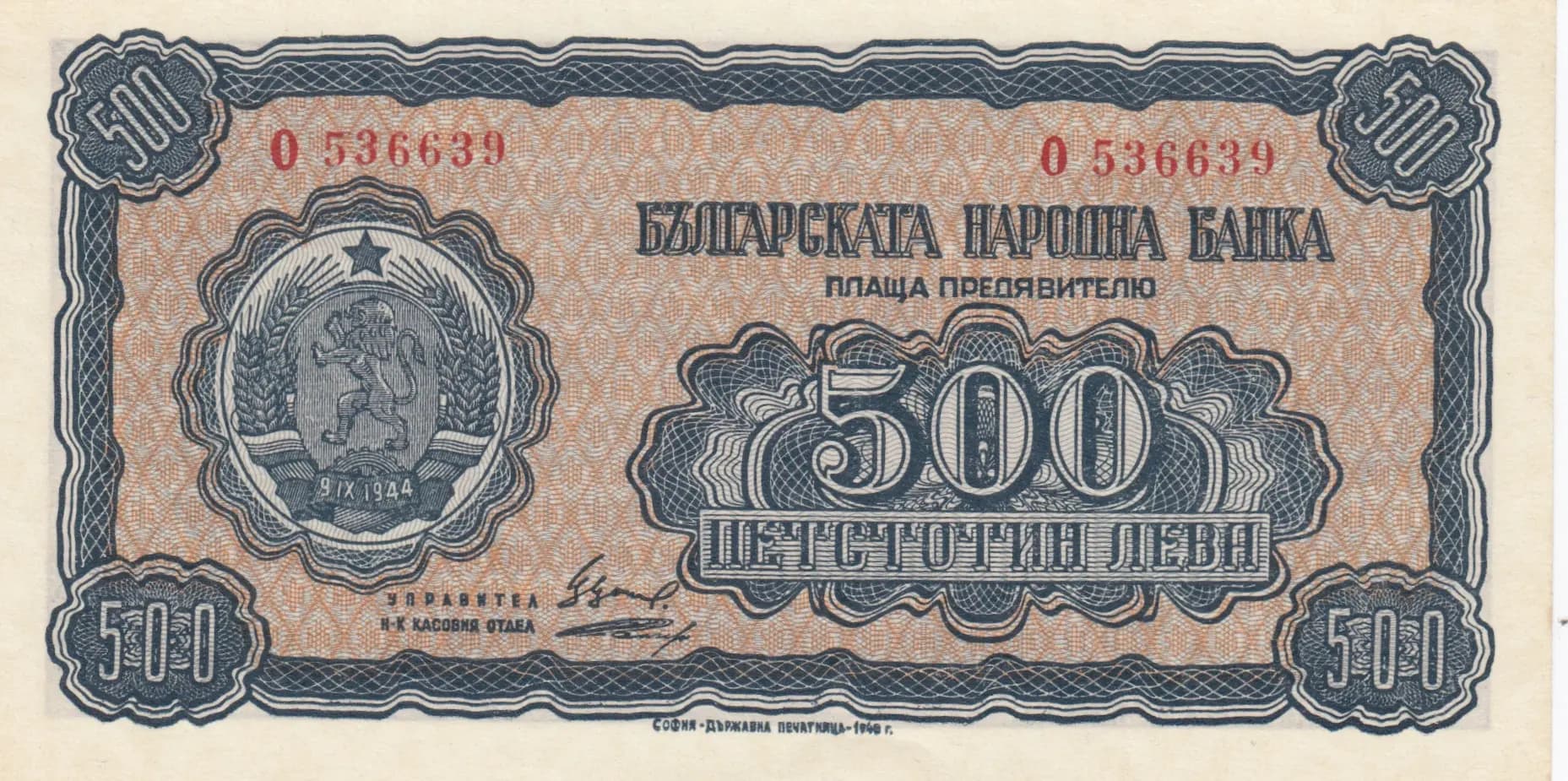
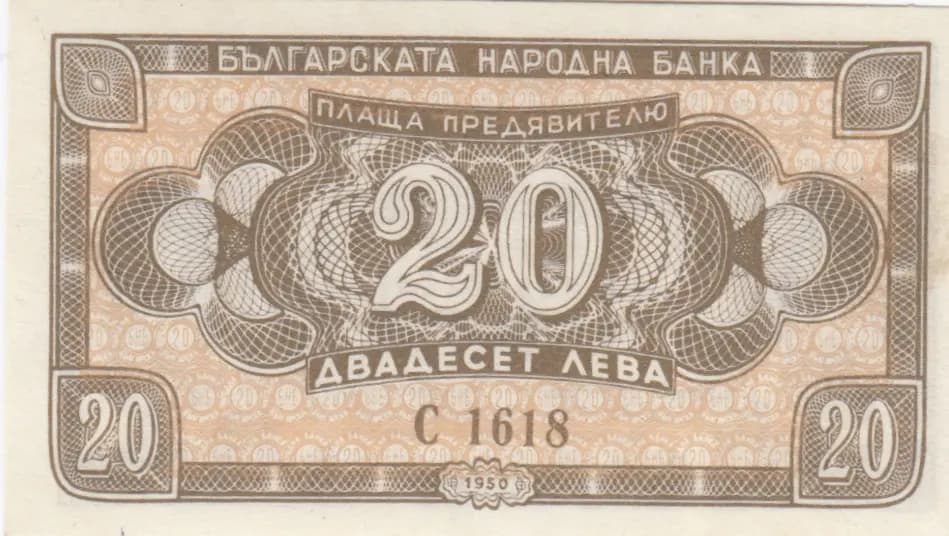
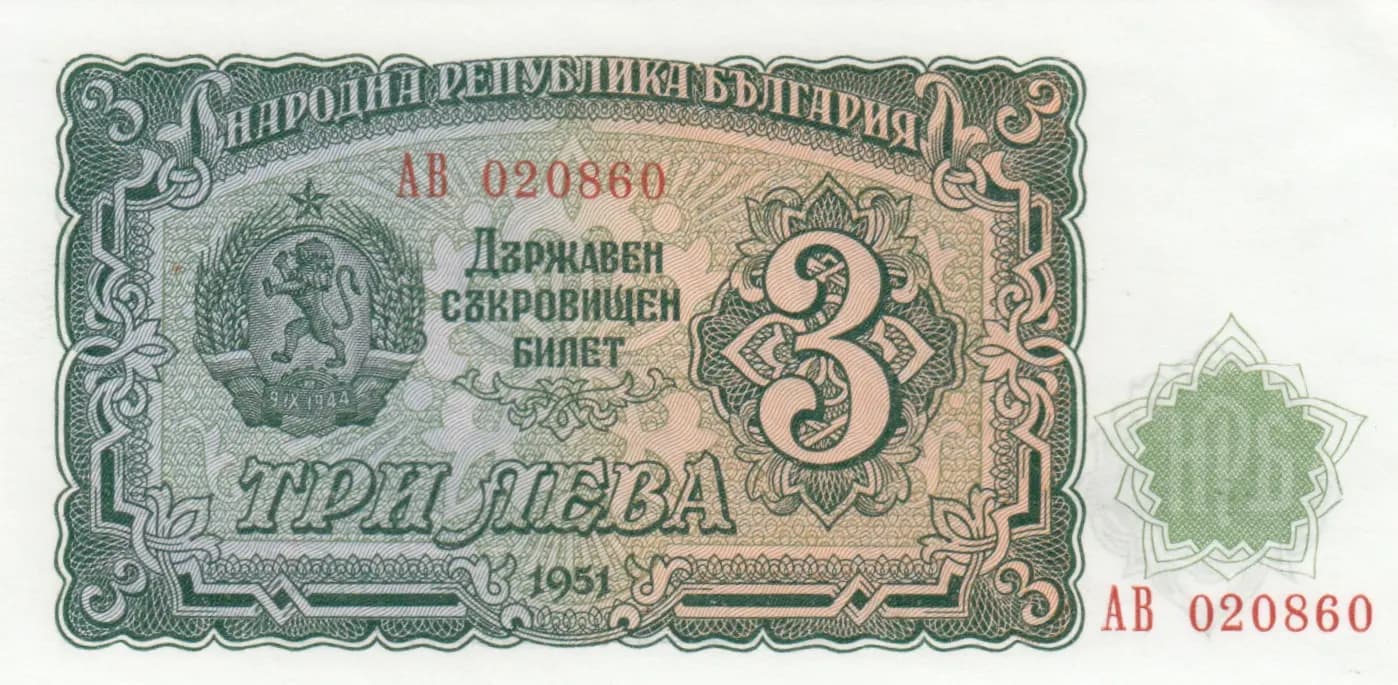
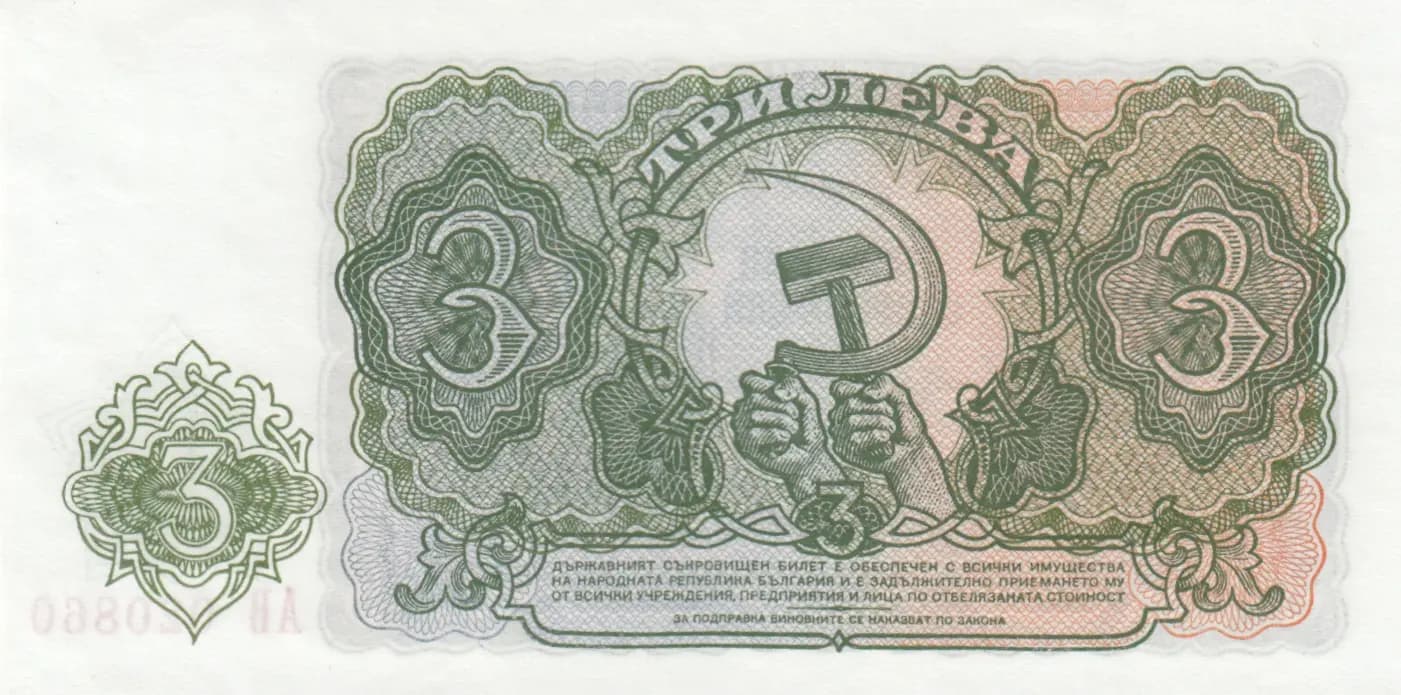
This Bulgarian 3 leva note from 1951 is presented in uncirculated condition, showcasing the crisp printing and vibrant green coloration typical of this communist-era issue. The note features a striking heraldic lion emblem on the obverse and a prominent hammer-and-sickle symbol on the reverse, symbols deeply connected to the People's Republic of Bulgaria established in 1946. The ornate borders, fine engraving work, and excellent state of preservation make this an attractive example for collectors of Eastern European or Cold War-period currency.
Common. This note is widely available in the collector market at modest prices. The eBay sales data shows consistent trading activity with UNC examples regularly selling for $1.25–$4.80, well below the threshold that would indicate scarcity. PMG graded examples (65–66) command slightly higher prices ($9.99–$31), but the abundance of sales activity and relatively low price points across nearly a decade of market data indicate substantial original print quantities. The 1951 issue date and straightforward design suggest no major recall or short-lived production run. This is a typical example of affordable, collectible Eastern European communist currency.
This 3 leva note was issued in 1951 by the Bulgarian National Bank (Balgarska Narodna Banka) during the early years of the People's Republic of Bulgaria, the communist state that replaced the Kingdom of Bulgaria following World War II. The heraldic lion on the obverse represents Bulgarian national identity, while the hammer-and-sickle symbol prominently displayed on the reverse reflects the Soviet-aligned communist ideology that dominated the nation during this period. The inscription identifying this as a 'State Treasury Note' (Державен сокровищен билет) backed by all property of the People's Republic emphasizes state control over currency and economic resources.
The obverse features an ornately framed heraldic lion rampant—the primary symbol of the Bulgarian coat of arms—positioned within a shield on the left side of the note. The denomination '3' appears in a decorative circular frame on the right side. The reverse displays a hammer and sickle symbol prominently centered within a wreath or laurel design, flanked by denomination numerals in ornamental circular frames. Both sides are bordered by intricate floral and scrollwork patterns in the Art Deco/Constructivist style typical of 1950s Eastern European currency design. The color scheme of green, beige, and cream with red accents creates a visually balanced composition emphasizing state authority and socialist ideology.
FRONT SIDE: 'НАРОДНА РЕПУБЛИКА България' (People's Republic of Bulgaria) / 'ДВ 020860' (Serial number: AB 020860) / 'Държавен сокровищен билет' (State Treasury Note) / 'ТРИ ЛЕВА' (Three Leva) / '1951' (Year of issue). BACK SIDE: 'НАРОДНА РЕПУБЛИКА БЪЛГАРИЯ' (People's Republic of Bulgaria) / 'ДЪРЖАВНИЯТ СЪКРОВИЩЕН БИЛЕТ Е ОБЕЗПЕЧЕН СО ВСИЧКИМ ИМУЩЕСТВА НА НАРОДНАТА РЕПУБЛИКА БЪЛГАРИЯ И Е ЗАДЪЛЖИТЕЛНО ПРИЕМАМ ОТ ВСИЧКИ УЧРЕЖДЕНИЯ, ПРЕДПРИЯТИЯ И ЛИЦА ПО ОТБЕЛЯЗАНАТА СТОЙНОСТ ЗА ПОДДЪРЖАНЕ ВИНОЛИНИТЕ ЕК НАКАЗВАТ ПО ЗАКОНА' (The State Treasury Note is secured by all the property of the People's Republic of Bulgaria and must be accepted by all institutions, enterprises and individuals at the marked value. Counterfeiters are subject to penalties by law.)
Intaglio engraving (line engraving), as evidenced by the fine, crisp line work visible throughout the borders, the detailed rendering of the heraldic lion, and the intricate geometric and floral patterns. The complexity of the border designs and the sharp clarity of all printed elements indicate professional engraving plates typical of currency production. According to PMG population data, the variant P-81a was printed by Goznak, the Soviet state security printer, which confirms the use of advanced intaglio techniques standard to that facility.
The observed example appears to be Pick P-81a, the known variant for this denomination and date printed by Goznak. The serial number format 'ДВ 020860' follows the standard Cyrillic prefix format used on Bulgarian issues of this era. PMG's population report indicates this is the single catalogued variant for Pick-81. No overprints, signatures, or date variations are apparent in the visual analysis, and the note conforms to the standard design specifications for this regular issue of 1951.