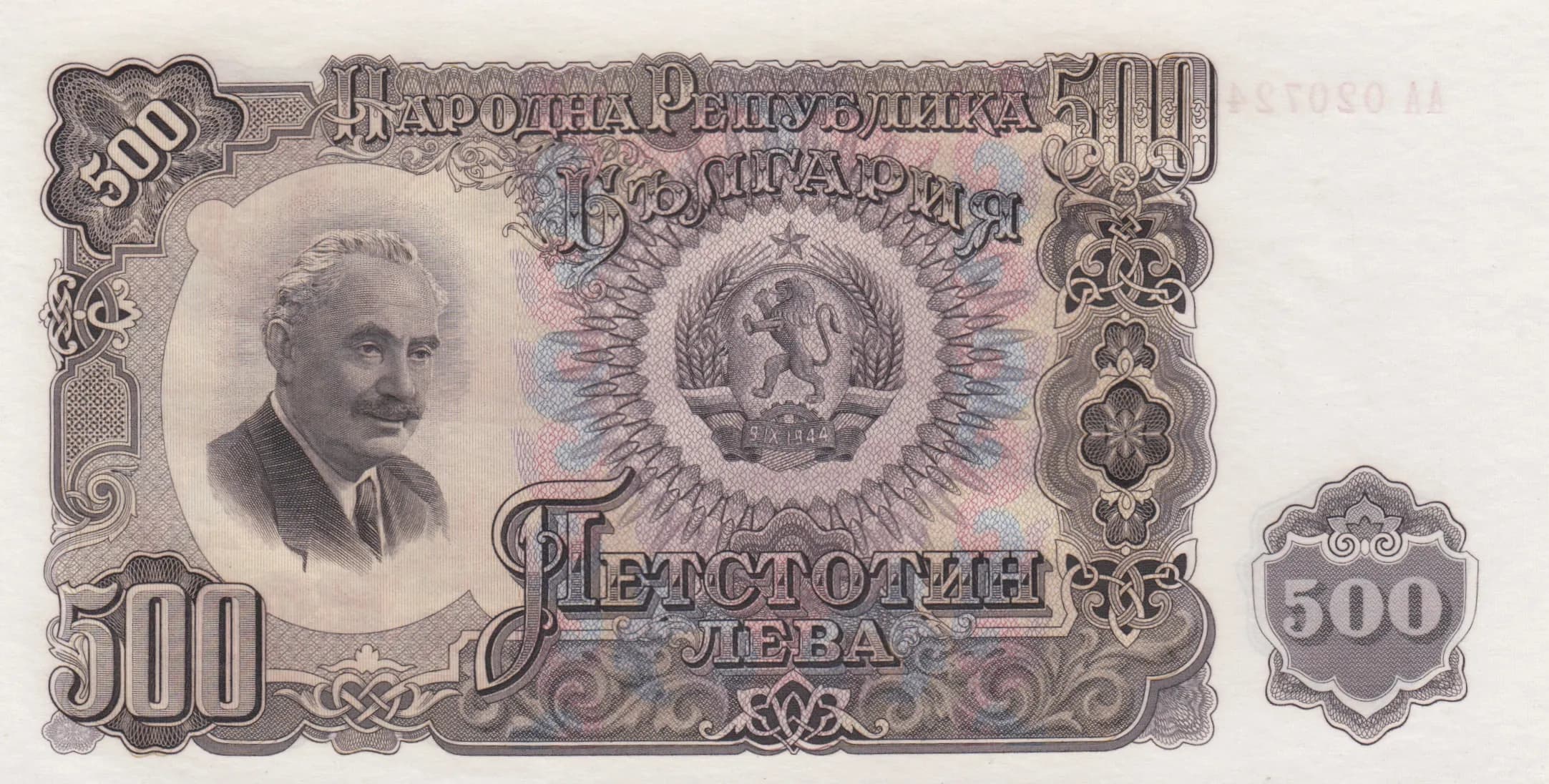
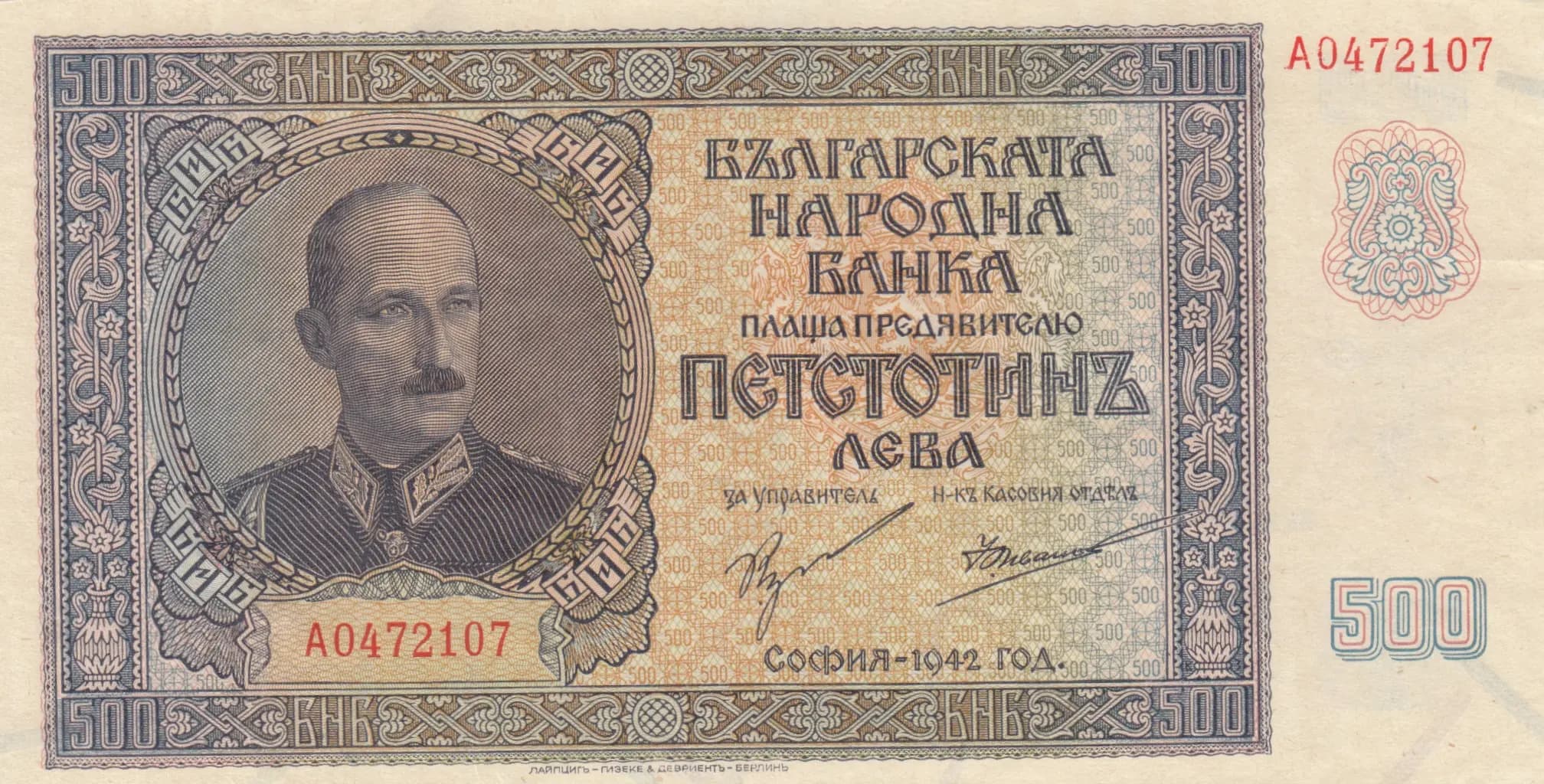
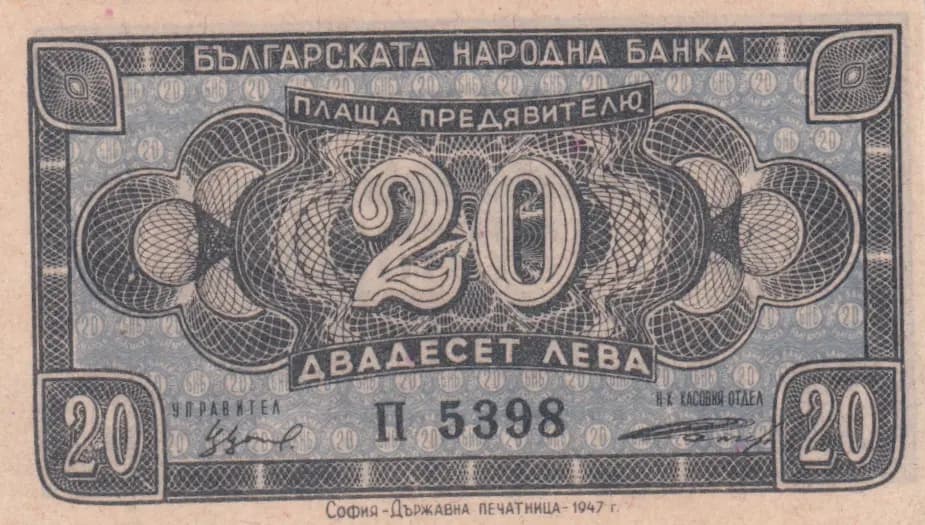
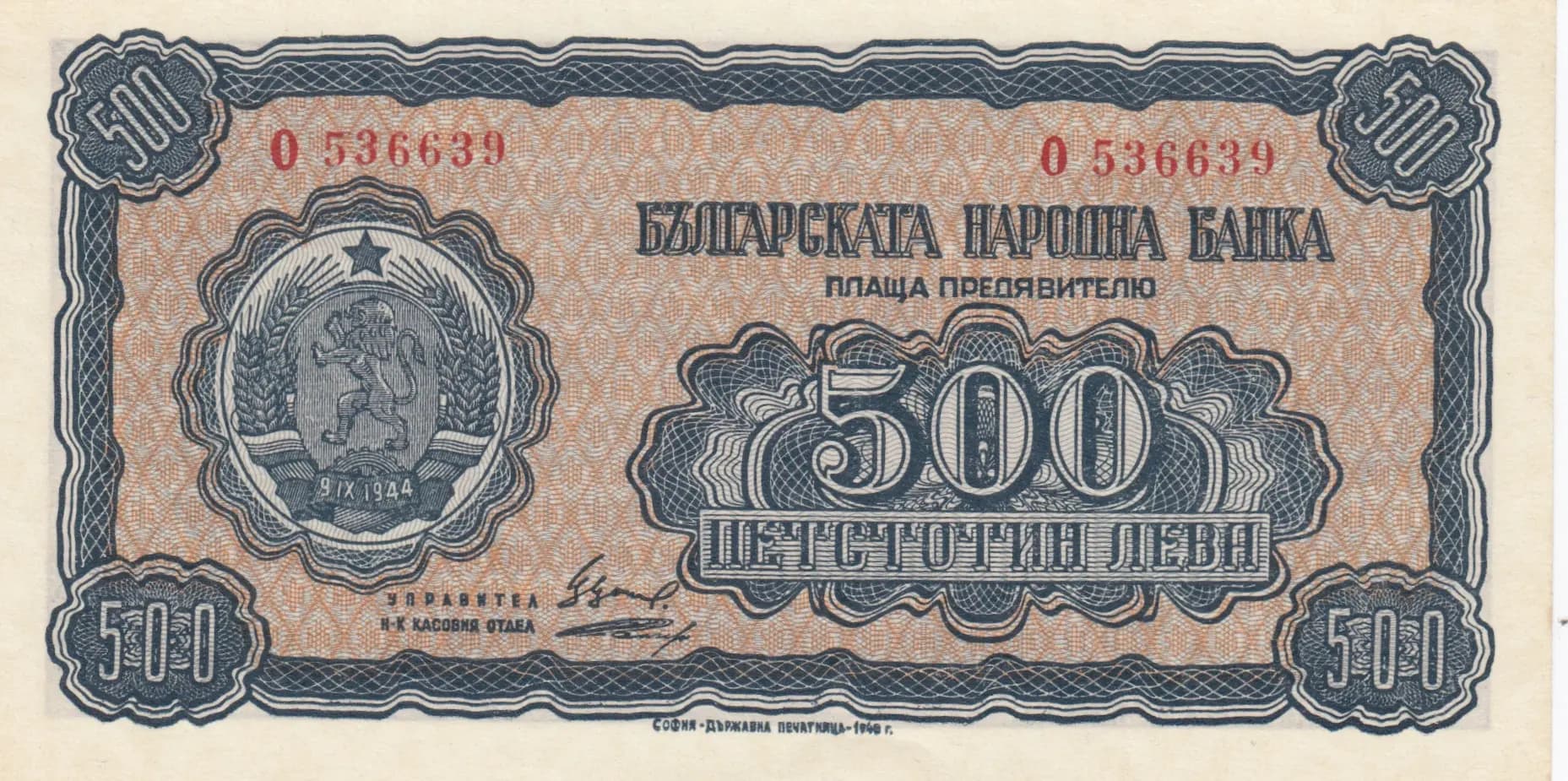
200 leva 1951
Market Prices
8 salesAbout This Note
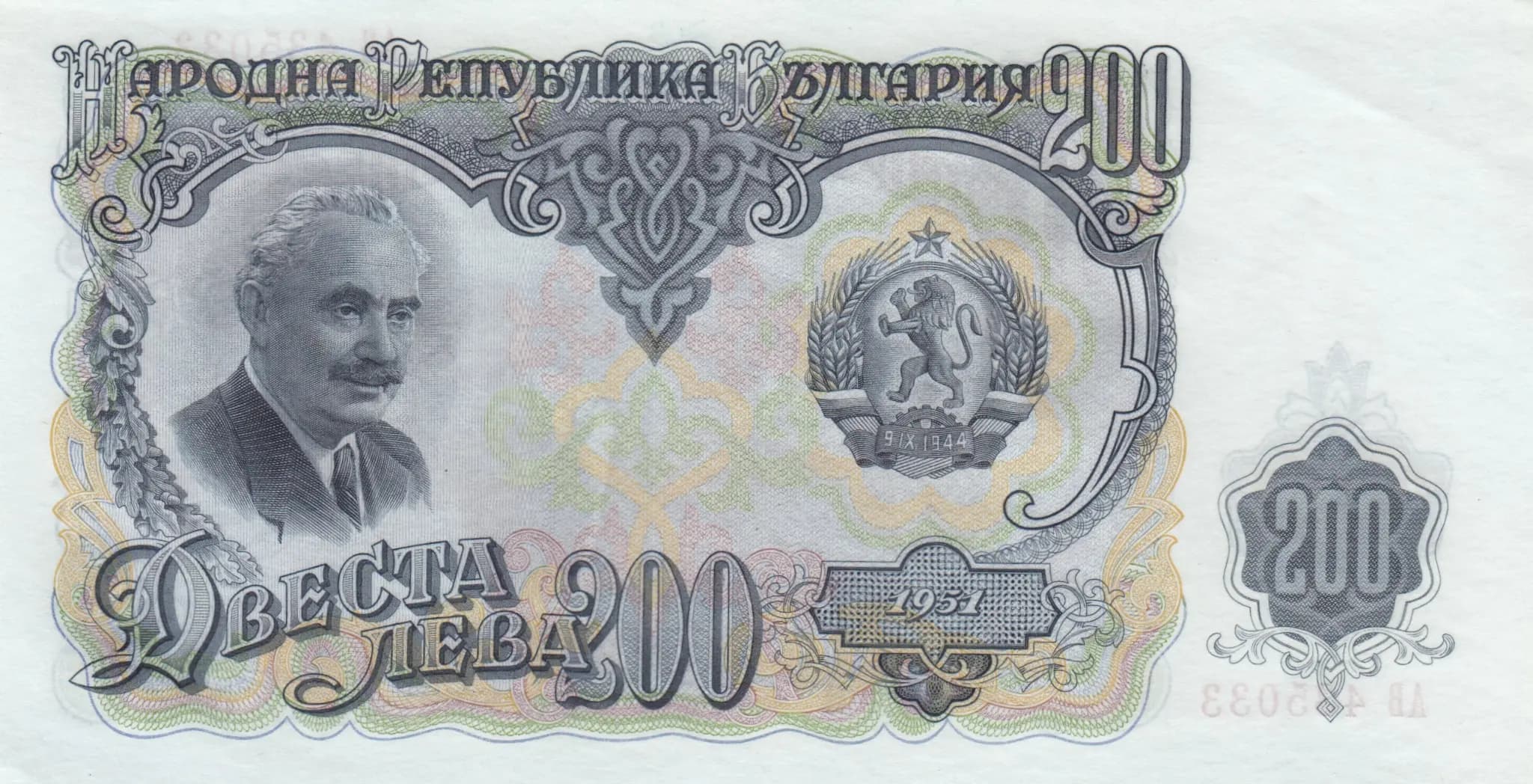
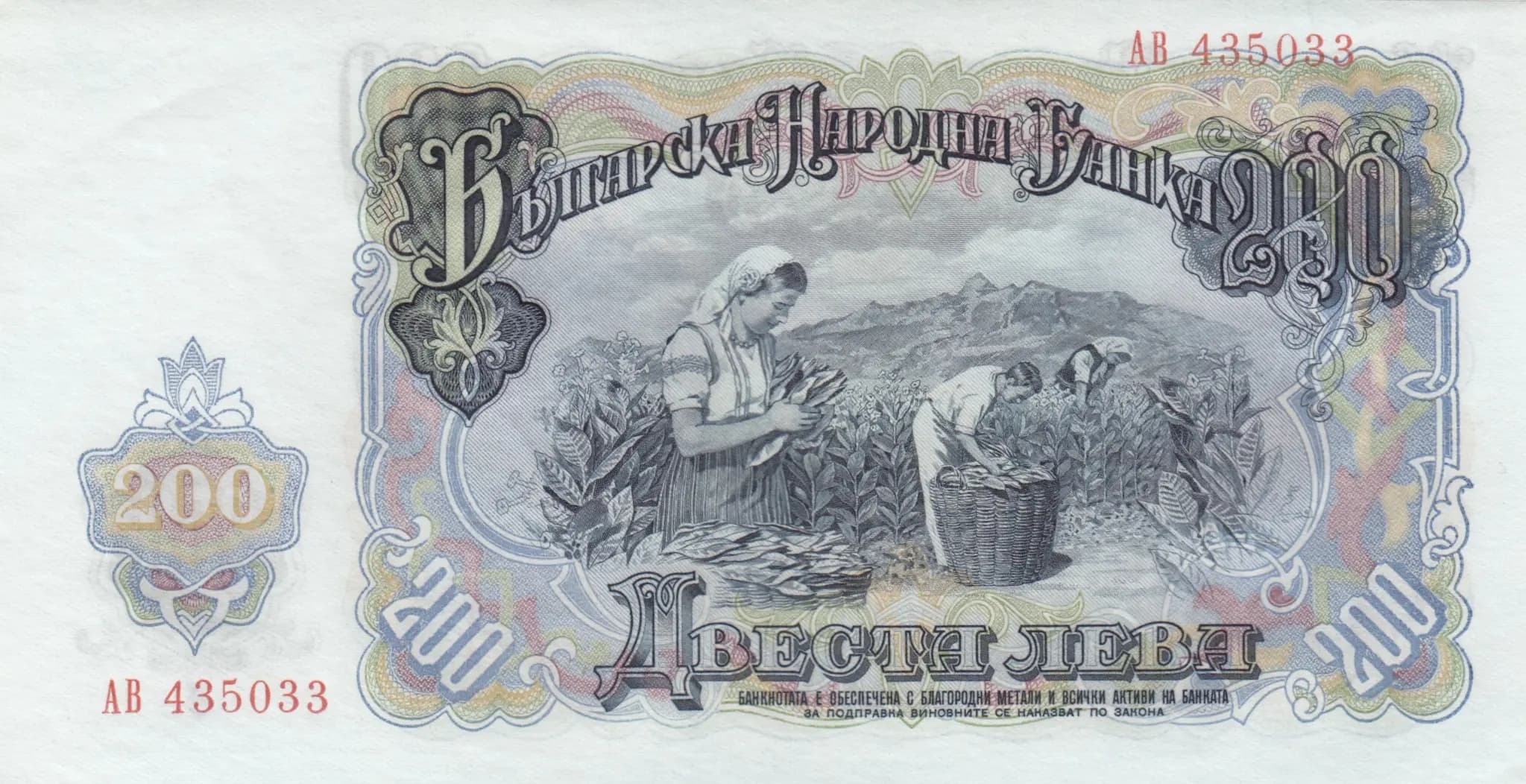
A stunning AU-graded Bulgarian 200 Leva note from 1951, featuring pristine condition with sharp engraving throughout and no visible wear. The obverse showcases a portrait of Georgi Dimitrov alongside the Bulgarian coat of arms with rampant lion, while the reverse depicts an agricultural scene of women harvesting tobacco in traditional dress—imagery celebrating the People's Republic of Bulgaria's focus on labor and national production. This note represents an important transitional period in Bulgarian monetary history and demonstrates exceptional preservation typical of uncirculated examples from this era.
Common. eBay market data shows consistent sales in the $60-96 range for UNC examples over the past decade, with catalog values (2016) listed at $60 UNC. The numerous sales transactions (8+ documented eBay sales from 2014-2026, multiple PMG-graded specimens) and stable pricing indicate this is a regularly traded note with adequate supply in the collector market. While not mass-produced in modern terms, the 1951 print run was sufficient to make this denomination common in today's secondary market.
Issued during the early Cold War period under the Bulgarian People's Republic (1946-1990), this 200 Leva note reflects the communist regime's emphasis on agricultural production and the personality cult surrounding Georgi Dimitrov, the republic's founding leader. The tobacco harvest scene on the reverse underscores Bulgaria's significant agricultural sector and the propaganda imagery favoring collective labor that characterized the socialist economy of the 1950s. The hammer and sickle watermark and the bank's assertion that the currency is 'secured with precious metals and all assets of the bank' reflect the state's ideological and economic claims during this period of post-war reconstruction.
The obverse features a left-facing portrait of Georgi Dimitrov, the founder and early leader of the Bulgarian People's Republic, rendered in profile with distinctive mustache and formal suit attire. Dominating the right side is the Bulgarian state coat of arms—a rampant lion within a wreath, surmounted by a red star—centered within an ornamental shield. The frame comprises elaborate green and gold decorative borders with intricate guilloché patterns typical of fine banknote engraving. The reverse presents an allegorical agricultural scene depicting two women in traditional Bulgarian folk costume (including characteristic headscarves) engaged in tobacco harvesting amid field rows, with mountains visible in the background. This labor imagery was a central motif of communist-era Bulgarian currency design. Ornate denomination markers appear on both sides, with the serial number 'AB 435033' printed in red/orange ink on the reverse.
FRONT SIDE: 'Народна Република България' (People's Republic of Bulgaria) | 'ДВЕСТА ЛЕВА' (Two Hundred Leva) | '200' | '1957' (print date). BACK SIDE: 'Българска Народна Банка' (Bulgarian National Bank) | 'ДВЕСТА ЛЕВА' (Two Hundred Leva) | '200' | 'AB 435033' (Serial number) | 'БАНКНОТАТА Е ОБЕЗПЕЧЕНА С БЛАГОРОДНИ МЕТАЛИ И ВСИЧКИ АКТИВИ НА БАНКАТА' (The banknote is secured with precious metals and all assets of the bank).
Intaglio engraving (recess printing), evidenced by the precise line work, fine guilloché patterns, and exceptional detail visible throughout the design. The security features—including the complex decorative borders, watermark (hammer and sickle), and intricate agricultural scene—confirm professional security printing. According to reference catalogs, this note was printed by Goznak (the Soviet state printing facility), which supplied many communist-aligned nations' banknotes during this era. The sharp impression and fine engraving quality observed in both the portrait and reverse scene are characteristic of Goznak's high-standard security printing.
This specimen represents the P-87a variety (200 Leva, Goznak printer), as documented in PMG population reports. The note displays the standard 1951 issue date, though the visual analysis notes a print date of '1957' on the obverse, which may indicate a later printing of the 1951-dated design—a common practice for currency notes. The serial number prefix 'AB' and the red/orange serial number color are consistent with documented examples of this variety. No overprints, signatures variations, or other significant variety markers are evident. This appears to be a standard regular-issue specimen of P-87a.