25 cents 1913
Market Prices
About This Note
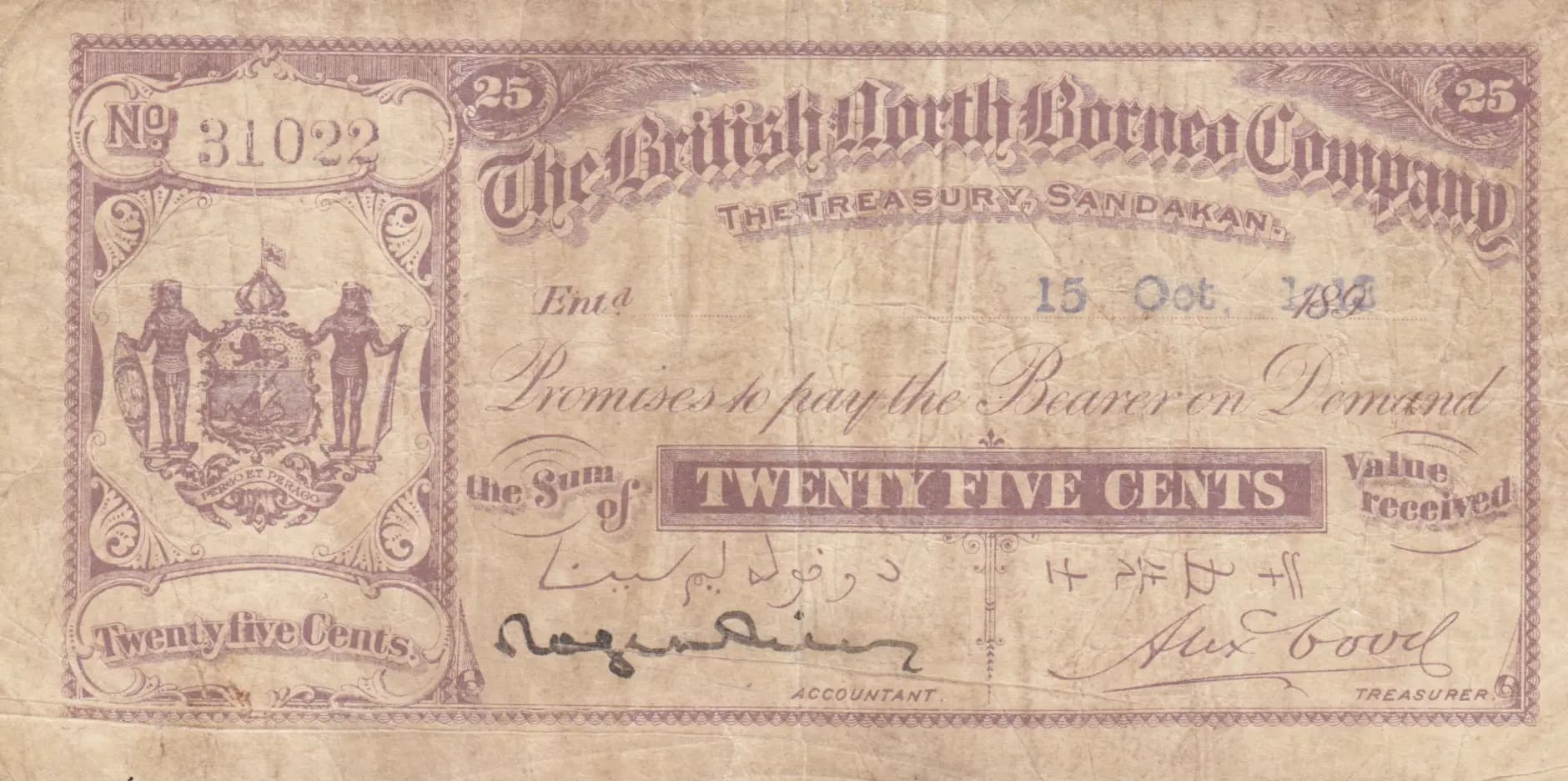
This British North Borneo Company 25 Cents note from 1913 (Pick P-7b) presents a striking example of early 20th-century colonial currency with ornate Victorian design work in purple and mauve tones. The note displays expected wear for a 110+ year old specimen in F condition, including crosshatch creasing patterns, foxing, and age-related discoloration throughout both sides. The intricate decorative engraving and heraldic imagery remain largely legible, making this an attractive example of the company's monetary issues during the final decades of British North Borneo's autonomy.
Common. While this is a century-old colonial note with historical interest, British North Borneo Company notes from 1912-1913 were issued in substantial quantities during the company's final independent monetary period. The catalog value of $500 in F condition reflects collector demand for colonial currency rather than scarcity. No evidence of small print runs, recalls, or special circumstances affecting survival rates appears in the available data. These notes remain readily obtainable in the collector market at reasonable prices relative to other early 20th-century colonial issues.
This note was issued by the British North Borneo Company during the height of the company's chartered authority over the territory, predating the company's transfer of sovereignty to the British Crown in 1946. The heraldic coat of arms and period-dressed flanking figures reflect Victorian imperial aesthetics and corporate identity, while the Sandakan Treasury location inscription documents the administrative center of company operations in North Borneo. The 1912-1913 issuance period represents the company's final sustained period of independent monetary authority.
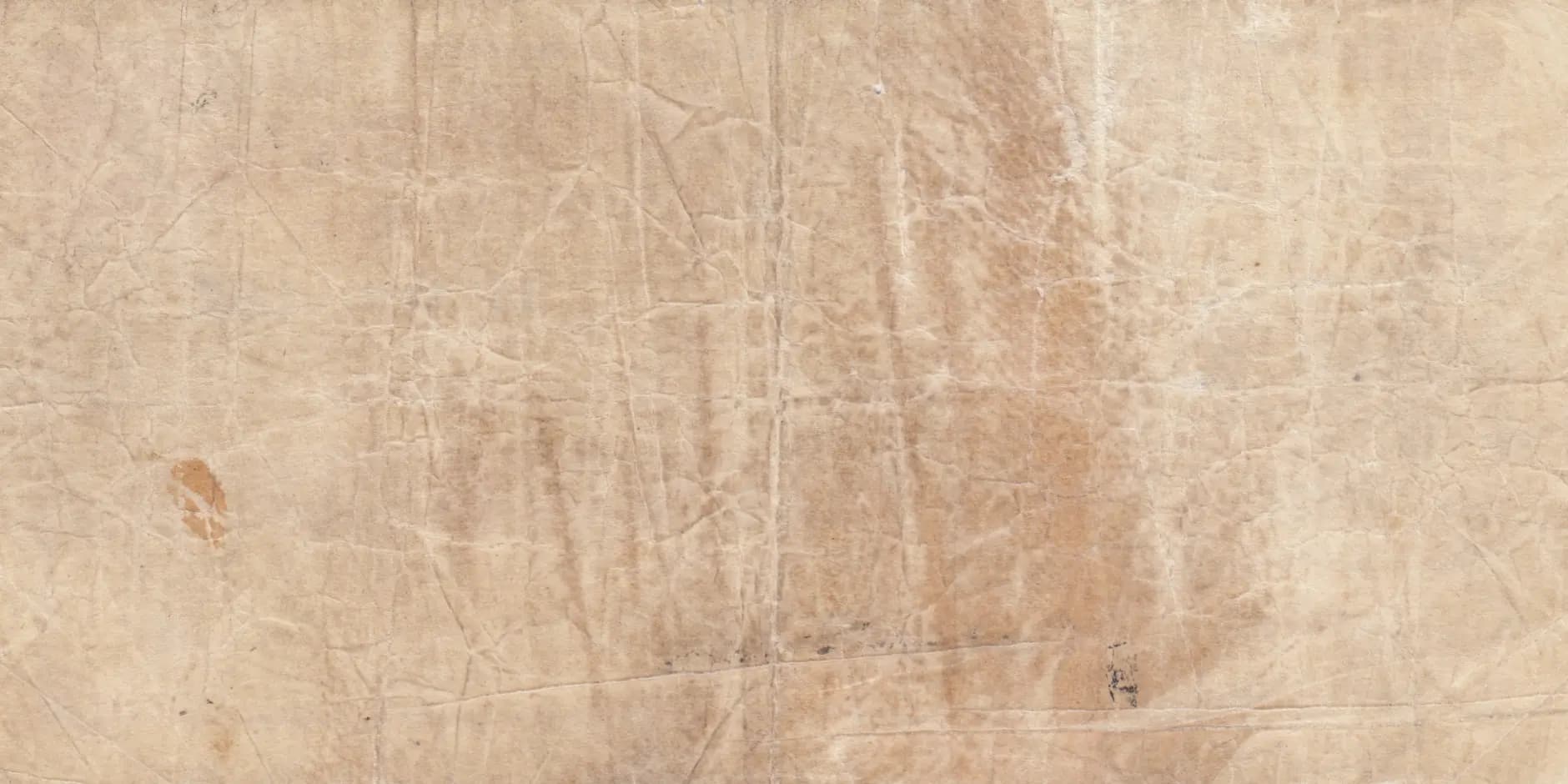
The obverse features a classical Victorian-era design dominated by a central heraldic coat of arms (likely representing the British North Borneo Company) with a crown crest, flanked by two standing figures in ornate 16th-17th century period dress. This heraldic imagery is contained within an elaborate ornamental frame with the denomination '25' prominently displayed at top and bottom in separate cartouches. The right side of the note contains the promise-to-pay text and administrative signatures arranged in formal typography within decorative borders and scrollwork. The dominant color scheme of purple and mauve with cream accents creates visual hierarchy emphasizing the heraldic authority symbol. The reverse is blank plain paper, typical of notes from this era and issuer.
FRONT: The British North Borneo Company | THE TREASURY, SANDAKAN. | Date: 15 October 1890 [authorization date] | Promises to pay the Bearer on Demand the Sum of TWENTY-FIVE CENTS | Twenty-five Cents. | value received | ACCOUNTANT [signature line, approximately 'Reginald Ellis'] | TREASURER [signature line, approximately 'Jim Gould'] | Serial Number: No 31022 | BACK: [Blank verso, no inscriptions]
Intaglio engraving, characteristic of security printing of the Edwardian period. The printer Bradbury, Wilkinson & Co. (BE&B, noted in PMG records) employed traditional steel plate engraving to produce the ornamental borders, heraldic designs, and text. The intricate crosshatching patterns and fine line work visible in the design elements confirm this security printing methodology. The quality of impression and detail preservation (despite age-related wear) evidences the robust nature of intaglio work.
This note is cataloged as Pick P-7b, one of two known varieties for the 25 Cents denomination from this series (P-7a and P-7b), both printed by BE&B. The specific variety distinction likely relates to minor design or printing variations rather than denomination or issuer changes. The observed serial number (No 31022) and signatures (Reginald Ellis/Jim Gould) represent normal administrative variants rather than distinguishing characteristics between major catalogue varieties. No overprints, color varieties, or exceptional markings are noted.